



A useful corporate video starts with a clear brief. These ten preparation points help you turn an initial idea into a practical filming and editing plan, whether you are shooting at an office, a factory or several locations in China.

1. Define the audience and core message
Write down who will watch the film, what they need to understand and what action you want them to take. Separate customer-facing messages from recruitment, investor or internal communication. Share a short brief and a few reference films so the production team can propose a suitable approach.
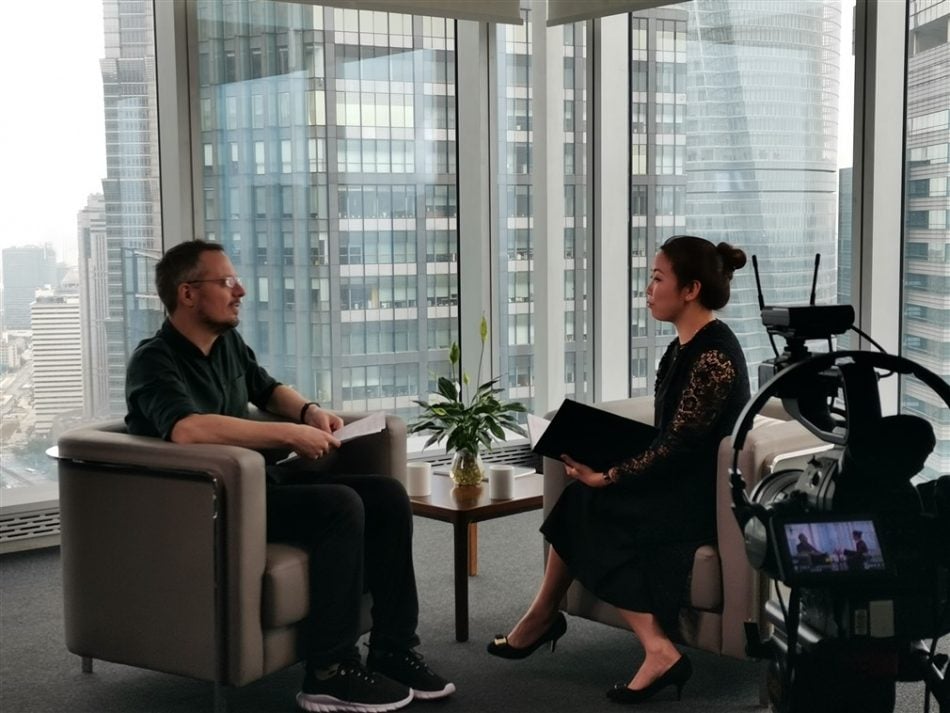
2. Choose the length and delivery formats
Set the length around the content and viewing context. A website introduction, trade-show loop and social clip may need different versions. Specify aspect ratios, caption needs and the channels where the film will appear before filming, so the crew can plan framing and coverage.
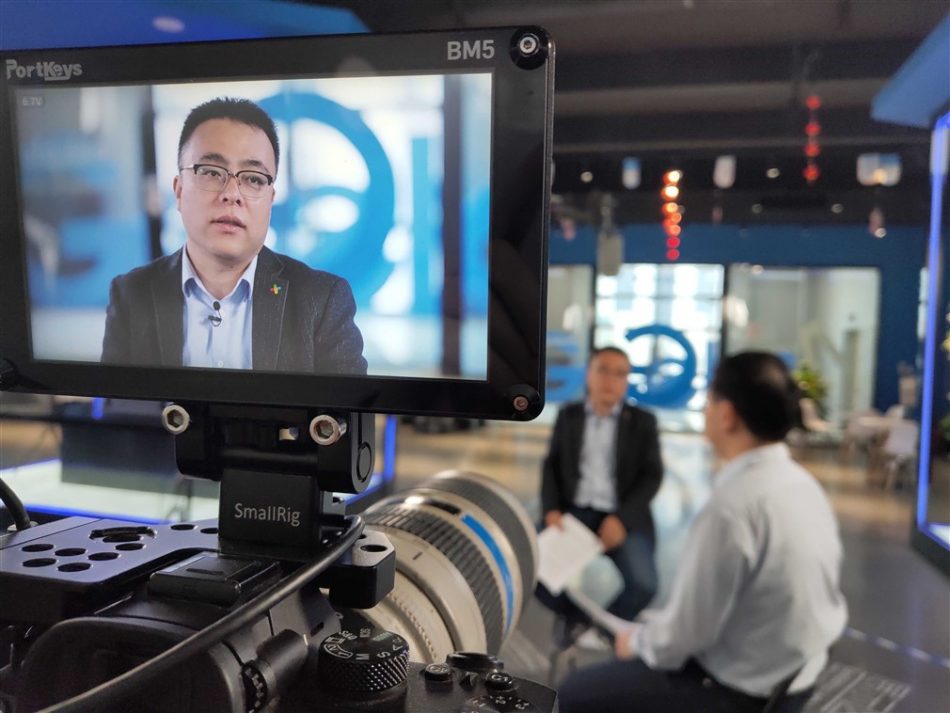
3. Agree the technical deliverables
Discuss recording resolution alongside the final delivery format, edit requirements and intended reuse. If you need both horizontal and vertical versions, or space for graphics, make this clear in the shot list. Confirm file formats, language versions and whether project files or selected footage are included.
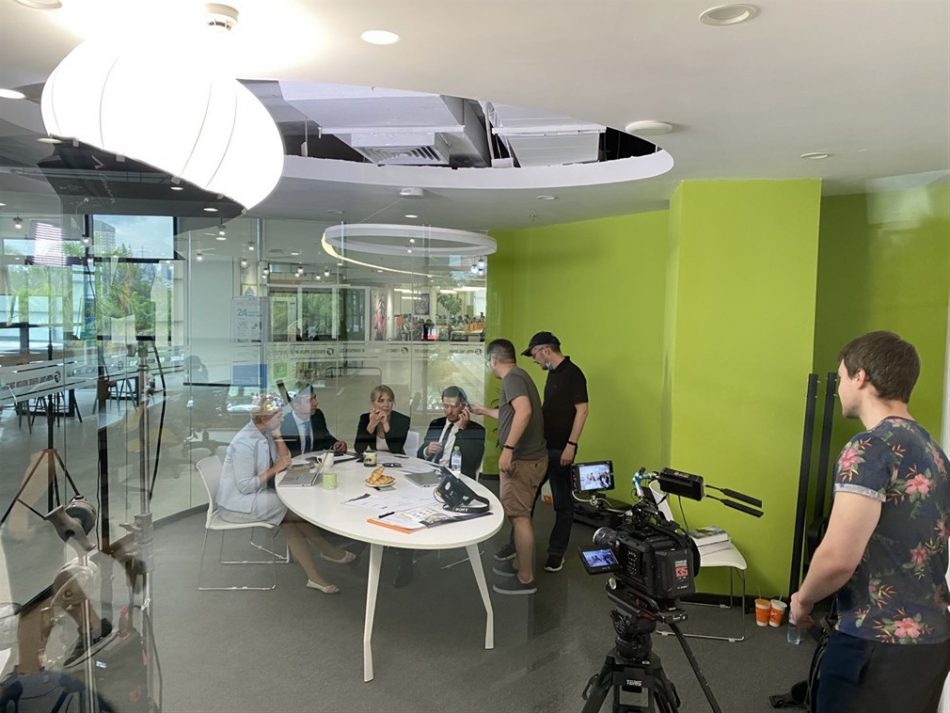
4. Prepare locations and access
For an office or factory shoot in China, nominate a site contact and check filming areas, access hours, noise, power and safety procedures. Arrange a location review where practical. Identify confidential displays, documents or processes that must stay out of frame, and confirm the necessary permissions with the responsible parties.
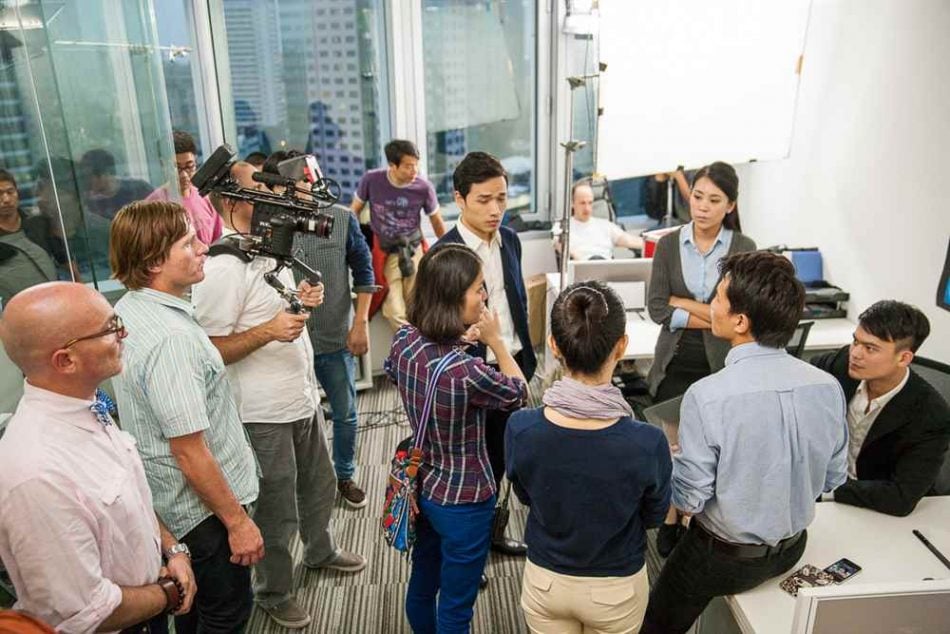
5. Select the people appearing on camera
Choose employees, executives, customers or professional performers according to the story. Actors are useful for some scripted scenes; real staff may be better suited to interviews and demonstrations. Confirm availability, wardrobe guidance and how appearance permissions will be handled before the shoot.
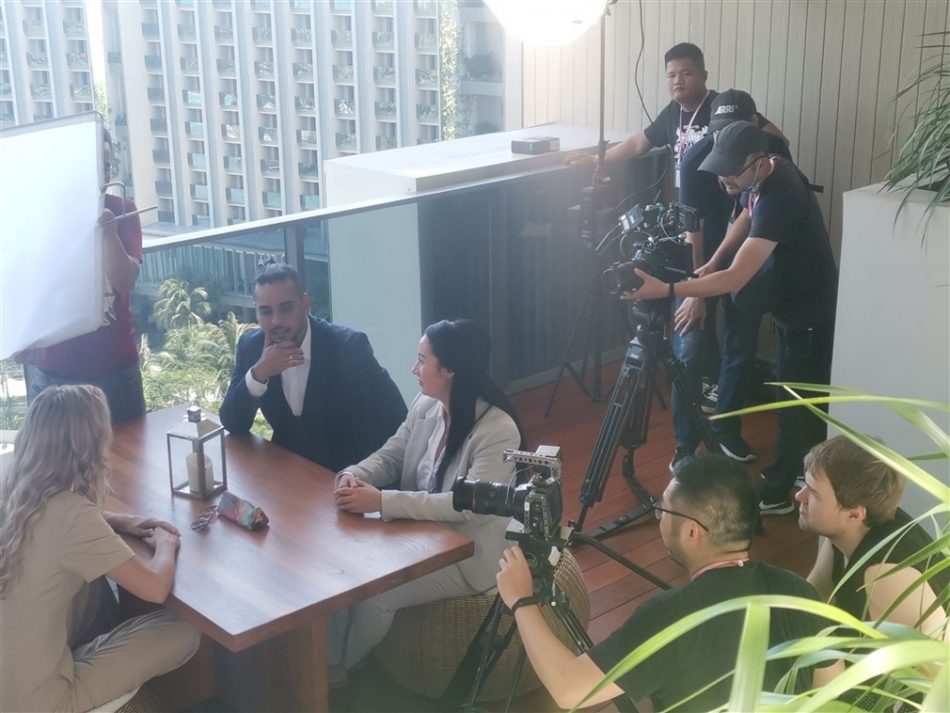
6. Build a realistic schedule
Work backwards from the delivery deadline, allowing time for preparation, filming, translation, editing and feedback. Check local holidays, site operations and travel between locations. For exterior filming, discuss weather alternatives rather than assuming one season will always provide the right conditions.
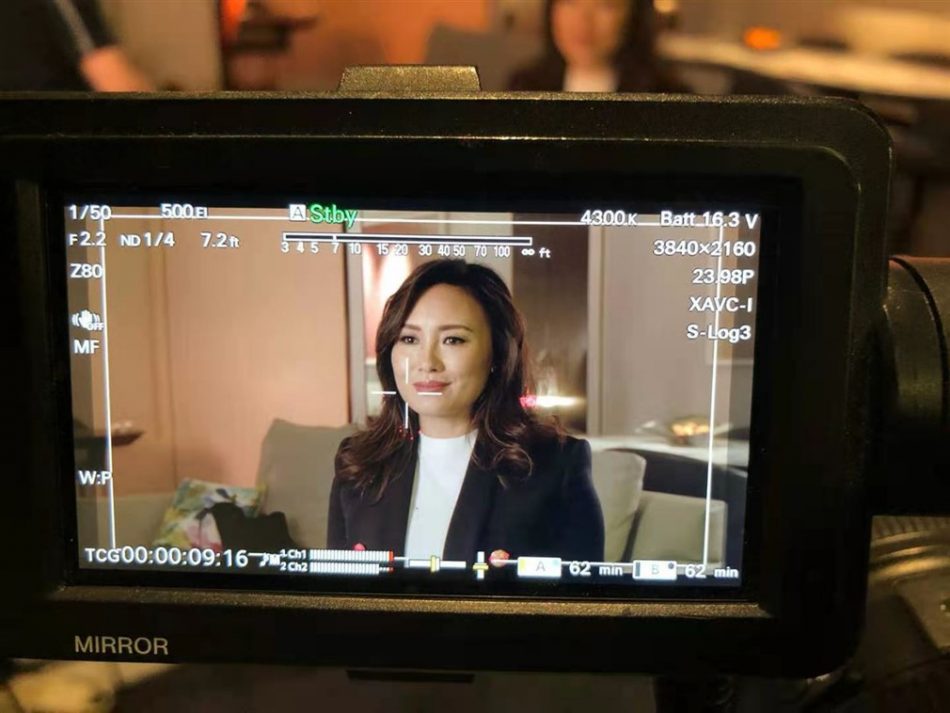
7. Prepare interviews and supporting footage
Write open questions that invite specific examples: what problem was solved, how the process works and why the result matters. Give interviewees the themes in advance and allow time to settle in. Plan supporting shots of the people, products and processes discussed, and find a quiet interview space.
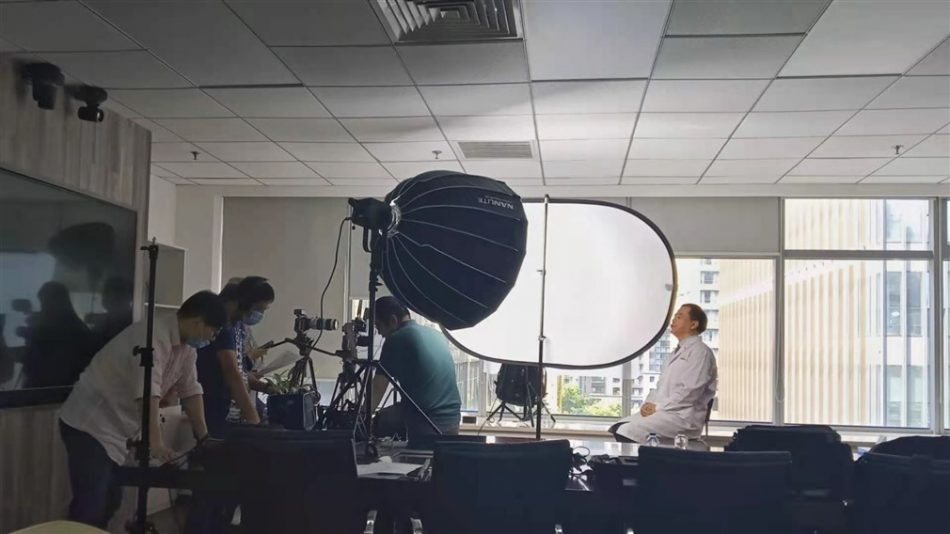
8. Plan language and localization
Choose the spoken language, subtitles and voice-over for each audience. A China-based interview does not need to be conducted in English simply because the final film is international. Agree who approves translations, names, job titles and technical terminology before recording or finalizing subtitles.
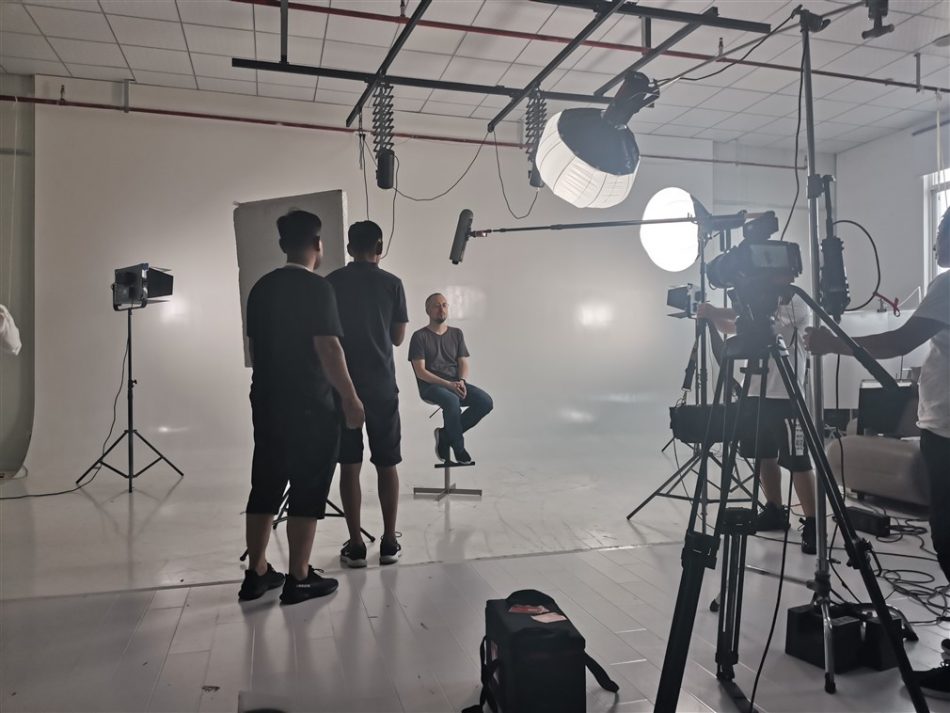
9. Gather brand assets and appoint reviewers
Supply approved logos, brand guidelines, product names and any graphics or existing footage you want to use. Confirm that supplied materials are cleared for the intended use. Appoint one person to consolidate feedback, and agree review stages so conflicting comments do not delay the edit.
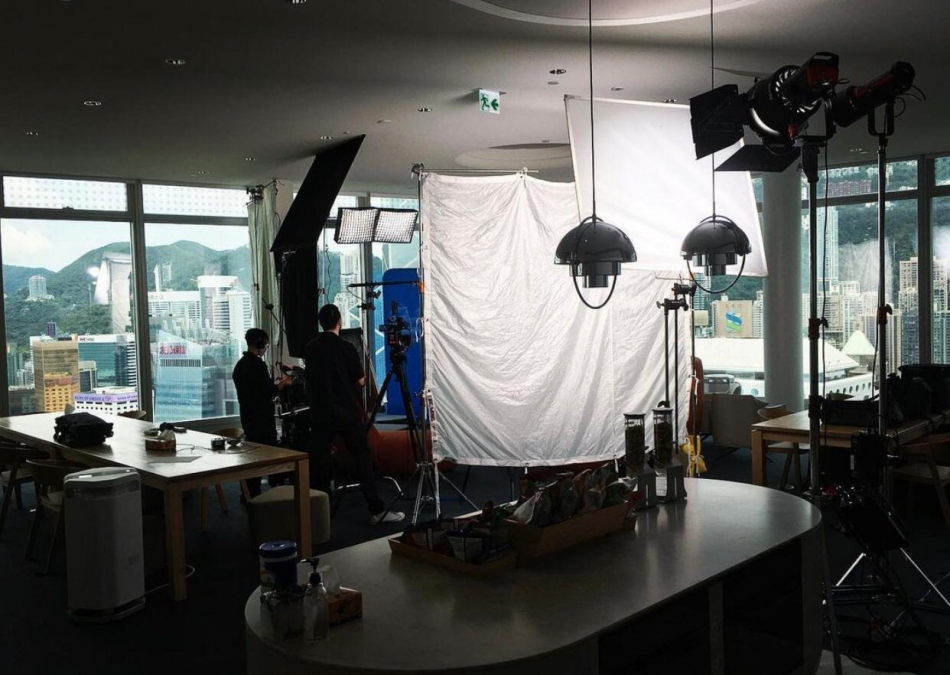
10. Set the budget and scope together
Share a working budget and ask for an estimate based on locations, shoot days, crew, equipment and post-production deliverables. Confirm what is included, the review rounds and how scope changes will be agreed. Travel, additional versions and extra filming should be discussed before the final plan is approved.
Use these points as a starting brief for your producer. Our production services outline the support available, while the bilingual producer guide explains what to include when coordinating a local shoot.