



For international productions shooting in China, one of the biggest logistical challenges is how to move your cinematographers, crew, and equipment between multiple cities and provinces. From shoots in Shanghai and Beijing to remote destinations like Qinghai or Yunnan, travel and transport planning can have a huge impact on your schedule and budget.
This guide breaks down the options — flights, high-speed trains, driving, shipping, and regional rentals — with insights on time, comfort, and cost to help producers make the best decisions.
✈️ Flights – Fastest for Long-Distance Crew Travel
Best for: Distances over 1,000 km (e.g., Beijing–Kunming, Shanghai–Chengdu).
- Comfort: Medium. Flights are quick, but security checks, transfers, and boarding add stress. Not ideal for heavy film equipment.
- Cost: Higher. Domestic flights can range from ¥700–1,500 per person ($100–200 USD), plus extra baggage fees.
- Pros: Saves time; multiple daily flights.
- Cons: Strict baggage limits, weather delays, long airport transfers.
Production tip: Fly cinematographers and crew, but send lighting and grip gear separately via freight.
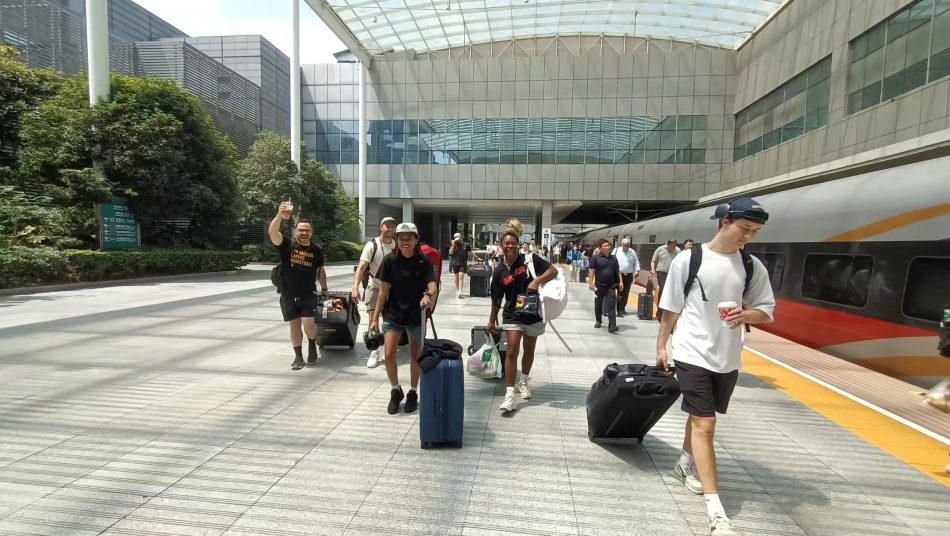
🚄 High-Speed Trains – Efficient and Comfortable for Crews
Best for: 200–1,200 km (e.g., Shanghai–Beijing, Guangzhou–Shenzhen, Chengdu–Chongqing).
- Comfort: High. Spacious seating, smooth ride, easy boarding, reliable Wi-Fi on many routes. Crews can rest or prep en route.
- Cost: Moderate. 2nd class seats from ¥300–¥600 ($40–90 USD); 1st class and business class more expensive but still cheaper than flying.
- Pros: City-center to city-center, minimal delays, great for moving cinematographers and small kits.
- Cons: Limited space for oversized gear; tickets sell fast during holidays.
Production tip: Trains are the sweet spot for crew comfort and cost efficiency on mid-range trips.
🚐 Driving – Flexible for Equipment & Remote Locations
Best for: Under 200 km or reaching rural filming areas not covered by airports or trains.
- Comfort: Medium to low. Long drives can be tiring, and traffic jams are common around big cities.
- Cost: Variable. Hiring a van/driver may cost ¥2,000–5,000 per day ($280–700 USD), plus fuel and tolls.
- Pros: Total flexibility; direct delivery to remote sets; handles bulky gear.
- Cons: Fatigue, parking challenges, unpredictable traffic.
Production tip: Use local drivers familiar with film gear handling. Crew should rest while drivers manage transport.
📦 Shipping Equipment – Splitting Crew & Gear Logistics
Sometimes it’s better to separate crew and equipment travel.
- Air Cargo: Fast, but pricier and requires customs for foreign gear.
- Train Cargo: More economical, but slower.
- Grip Trucks: Standard for productions, driving gear overnight.
- Comfort: High for crew (travel light without heavy gear).
- Cost: Depends on size/weight. Grip truck rentals with driver can cost ¥5,000–10,000 per day ($700–1,400 USD).
Pro tip: Always carry a basic kit with the cinematographer in case freight is delayed.
🎬 Regional Equipment Rentals – Smarter Than Long Hauls
Instead of transporting everything across China, renting regionally is often faster, cheaper, and more practical.
- Example: Filming in Qinghai with a crane truck + Scorpio head? Hiring from Beijing is far better than trucking it from Shanghai.
- For shoots in Southwest China (Sichuan, Yunnan, Chongqing), renting from Chengdu is usually the best option.
- Splitting rentals between regions reduces costs and avoids wear-and-tear on equipment.
- Comfort: Crew travels lighter; no stress about delayed trucks.
- Cost: Much lower than long-haul transport — especially for cranes, dollies, or lighting trucks.
Production tip: Keep your camera + lens package consistent, but rent cranes, lights, grip trucks locally.
✅ Best Practices for Film Production Travel in China
- Balance time, comfort, and cost when choosing transport.
- Plan buffer days for shipping delays or crew recovery.
- Split rentals regionally to avoid unnecessary transport.
- Use hub cities (Shanghai, Beijing, Guangzhou, Chengdu) as crew and equipment bases.
- Book in advance during Chinese New Year and Golden Week.
- Hire local fixers for logistics support and rental coordination.
🎯 Conclusion
Film production in China often spans multiple cities and provinces. By weighing comfort and cost alongside speed, producers can make smarter travel choices:
- Fly for long-hauls.
- Take trains for crew comfort and mid-range trips.
- Drive only when reaching remote locations.
- Rent regionally for cranes, grip trucks, and heavy gear.
With the right plan, your film crew can move efficiently — and your equipment will always be where it needs to be. where you need it — keeping your China production on schedule.