



Filming in China can be highly rewarding, but it also requires careful preparation. Whether you are producing a documentary, commercial, branded film, corporate video, or feature project, the local production environment can be very different from what overseas crews are used to.
From customs paperwork and location permits to crew visas, public filming rules, and sensitive subject matter, small mistakes can quickly become expensive delays.
Based on more than a decade of supporting international productions across China, including Shanghai, Beijing, Guangzhou, Shenzhen, Hong Kong, and major filming destinations such as Hengdian World Studios, here are 10 common mistakes to avoid when planning a shoot in China.
1. Bringing Film Equipment into China Without Proper Planning
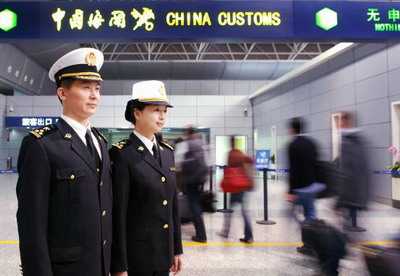
Bringing professional cameras, lenses, drones, lighting, and grip equipment into China requires careful preparation. High-value equipment may be inspected at customs, especially if the paperwork is incomplete or if the crew enters on an unsuitable visa.
China accepts ATA Carnet for temporary import of professional equipment, but this does not mean every entry is automatic or risk-free. Customs officers may still ask questions, inspect cases, or hold items if the documentation does not match the gear.
What to do instead:
Prepare a detailed equipment list before travel, check carnet requirements, and make sure your crew’s visa status matches the purpose of the visit. For many productions, renting camera and lighting equipment locally in China can be easier, faster, and more cost-effective.
Shoot In China can support local camera gear rental in Shanghai, Beijing, Shenzhen, Guangzhou, and other major cities, including ARRI, RED, Sony, Canon, Zeiss, Cooke, lighting, grip, sound, and drone equipment.
2. Hiring a Translator Instead of a Fixer/Producer
A translator can help with language, but they are not a replacement for a professional fixer, line producer, or bilingual production manager.
Filming in China often involves location negotiation, permits, crew booking, transport coordination, release forms, local etiquette, and problem-solving with venue managers or authorities. A translator may understand the words, but may not understand the production consequences behind them.
What to do instead:
Hire a bilingual fixer or local producer who understands both international production expectations and Chinese working culture. A good fixer helps prevent misunderstandings before they become production delays.
Shoot In China provides bilingual fixer, line producer, location, and production support services for overseas crews filming across China.

3.Using the Wrong Visa for Film Crew
Visa planning is one of the most important parts of filming in China. Entering as a tourist while carrying professional equipment or working on a commercial shoot can create unnecessary risk.
The correct visa depends on the nature of the project. Corporate, commercial, documentary, journalistic, and event shoots may each require different documentation or invitation support.
What to do instead:
Clarify the project type before travel. Speak with your local production partner early so they can advise on invitation letters, local sponsor requirements, and appropriate visa options.
Do not leave visa questions until the final week before travel. If your shoot involves interviews, sensitive topics, government locations, or public institutions, allow extra time for review.
4. Assuming Recreational Drug Use Is Treated Casually
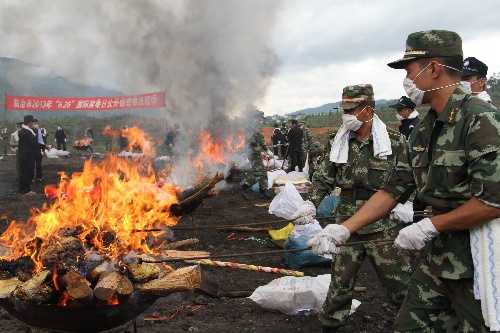
This is a serious point. Recreational drug use may be viewed differently in some production communities overseas, but in China it can lead to major consequences, including detention, deportation, blacklisting, and disruption to the entire production.
This risk applies not only to the person involved, but also to the wider crew, client, and production company.
What to do instead:
Make this clear to all visiting crew before arrival. Do not take chances. A single personal mistake can damage the production, the client relationship, and future access to China.
5. Shooting in Public Without a Permit
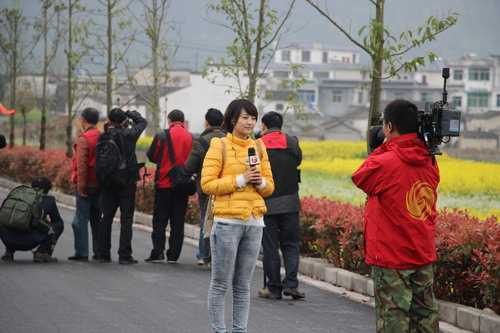
Public filming in China is not always straightforward. Small handheld shots may sometimes be possible in lower-risk locations, but filming with a visible crew, tripod, lighting, drone, talent, or branded content can attract attention quickly.
Locations such as streets, metro stations, airports, shopping malls, government buildings, landmarks, and tourist sites may require permission. Police, security guards, or local officials may stop the shoot if paperwork is missing.
What to do instead:
Check the permit requirements for each location before the shoot. For major public spaces, landmarks, commercial venues, or controlled areas, work with a local producer to secure permission in advance.
This is especially important in cities like Beijing and Shanghai, and at iconic sites such as the Forbidden City, the Bund, the Great Wall, and major transport hubs.
6. Posting Unverified Content Online
International crews sometimes treat social media casually during a shoot, but posting unverified, political, controversial, or sensitive material while working in China can create problems.
Even behind-the-scenes photos can be risky if they show restricted areas, government-related locations, private factories, unreleased products, other companies’ assets, or people who have not approved public use.
What to do instead:
Create a simple social media rule for the crew before production begins. Do not post location details, sensitive comments, restricted visuals, or client-related material without approval.
For corporate, industrial, and documentary shoots, it is often better to keep all behind-the-scenes content internal until the client and local partner have reviewed it.
7. Filming During Major Chinese Holidays Without Planning Ahead
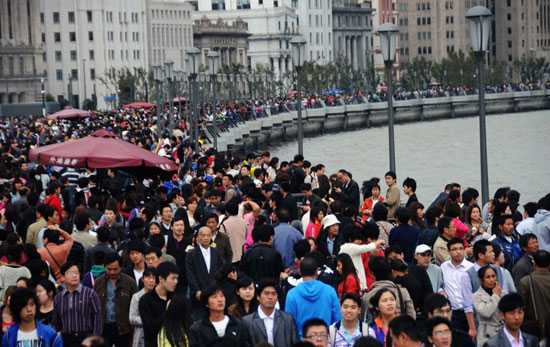
China’s major holidays can seriously affect production logistics. During Chinese New Year, May Day, and National Day Golden Week, travel becomes more expensive, crew availability drops, rental houses may close, and locations can become extremely crowded.
The most important periods to watch are:
Chinese New Year — usually January or February
May Day Holiday — early May
National Day Golden Week — around October 1–7
What to do instead:
Avoid these periods when possible. If you must shoot during a holiday, confirm crew, equipment, transport, accommodation, and location access well in advance.
Also budget for possible overtime, surge pricing, and longer travel times.
8. Creating Adult or Explicit Content
China has strict rules around adult and explicit content. Productions involving nudity, pornography, sexually explicit scenes, or adult entertainment can create serious legal and reputational risks.
Even suggestive content may need careful review depending on the format, location, talent, and intended distribution.
What to do instead:
Discuss the script, storyboard, and usage plan with a local production partner before committing to the shoot. If the content is for advertising, social media, broadcast, or public release in China, additional caution is needed.

9 🏛️ Filming Sensitive Political Content
Political, military, ethnic, religious, protest-related, border-related, or national security topics can be highly sensitive in China. This is especially relevant for documentaries, news features, investigative content, and NGO-related productions.
Foreign crews should not assume that a topic is safe simply because it is acceptable elsewhere.
What to do instead:
Review the treatment, interview questions, locations, and contributors with an experienced local producer before filming. If the topic is sensitive, you may need formal permissions, a different production approach, or a revised editorial plan.
When in doubt, ask before shooting.
10🚫 Working with Banned or “Blocked” Artists

China’s entertainment and media environment can change quickly. Some celebrities, influencers, artists, or public figures may become restricted, controversial, or unsuitable for brand campaigns due to legal, political, contractual, or platform-related issues.
This can affect advertising approval, media placement, distribution, and brand safety.
What to do instead:
Before confirming talent, check whether there are any known issues with the person’s public image, platform status, or commercial suitability in China.
For brand campaigns, this step is especially important. A local casting company, fixer, or producer can help verify potential risks before contracts are signed.
🌟 Bonus: What About Famous Filming Locations in China?
China offers a wide range of visually powerful filming locations, from historic architecture and modern skylines to mountains, deserts, rivers, studios, and industrial sites.
Popular or internationally recognized filming locations include:
Hengdian World Studios — one of the largest film studio complexes in China
Zhangjiajie National Forest Park — famous for its dramatic sandstone pillars
The Great Wall of China — one of the world’s most recognizable landmarks
The Forbidden City / Imperial Palace — historic architecture in central Beijing
Shanghai Bund and Pudong skyline — classic modern China visuals
Guilin and Yangshuo — karst mountains and river landscapes
Dunhuang and the Gobi Desert — desert, Silk Road, and historical settings
However, famous locations often require more preparation. Permits, location fees, drone restrictions, crowd control, and filming windows should all be checked early.
🎬 Need Help with Your Shoot?
Shoot In China has supported international productions across China since 2011, helping overseas producers, agencies, brands, broadcasters, and documentary teams work smoothly on the ground.
We can help with:
China fixer services
Local producers and production managers
Film permits and location access
Bilingual crew and camera teams
Camera, lighting, grip, sound, and drone rental
Corporate video and commercial production
Documentary and interview filming
Logistics, transport, translation, and on-site coordination
Whether you are filming in Shanghai, Beijing, Shenzhen, Guangzhou, Chengdu, Hangzhou, Hong Kong, or another Chinese city, our team can help you prepare properly and avoid unnecessary production risks.
Contact: [email protected]
Website: www.shootinchina.com