



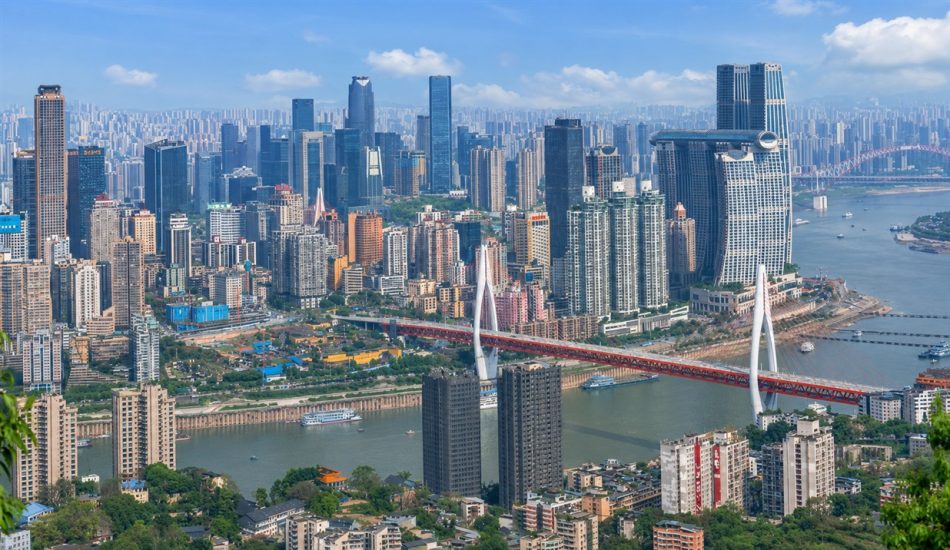
Planning to film in Chongqing? Known as China’s “Mountain City,” Chongqing offers one of the most visually distinctive urban landscapes in the country. With its layered roads, steep hills, elevated metro lines, river crossings, dense neighborhoods, neon-lit night scenes, foggy atmosphere, and dramatic skyline views along the Yangtze and Jialing rivers, filming in Chongqing can give your production a strong and instantly recognizable visual identity.
Chongqing is especially useful for documentaries, city profile films, corporate videos, travel content, brand stories, industrial films, food culture stories, and productions that need a dramatic inland Chinese city backdrop. At the same time, Chongqing is not as international as Shanghai, Beijing, Shenzhen, or Hong Kong. English communication, international food options, high-end creative crew, casting, equipment availability, and transport logistics all need to be planned carefully.
At Shoot In China, we support international filmmakers, agencies, brands, broadcasters, and production companies with bilingual producers, local fixers, camera crew, equipment rental, location research, transport, catering, and production logistics in Chongqing and across China.
Why Film in Chongqing?
Chongqing is one of the most cinematic cities in China. Its geography is unlike most major cities: roads overlap, metro lines cut through hills and buildings, bridges connect multiple urban layers, and neighborhoods are built vertically across steep terrain.
The city is especially strong for productions that need:
- Dramatic mountain city visuals
- Dense urban backdrops
- Neon night scenes
- River views and bridge shots
- Authentic local street life
- Inland China stories
- Industrial and logistics content
- Food culture and local character
- Urban development and infrastructure themes
- Documentary and travel-style visuals
Chongqing can feel futuristic, gritty, traditional, humid, chaotic, cinematic, and atmospheric at the same time. This makes it very different from flatter and more polished cities such as Shanghai or Shenzhen.
Here is one of the previous projects we supported in Chongqing, offering a glimpse of the city’s distinctive atmosphere and visual character.
What Productions Work Well in Chongqing?
Chongqing works well for:
- Documentaries about local culture, food, city life, migration, urban development, or inland China
- Corporate videos involving western China, inland logistics, manufacturing, or regional development
- Commercials needing dramatic city visuals or night scenes
- Travel, food, and lifestyle content
- Automotive and infrastructure stories
- Industrial and factory filming
- City profile films
- Social media and branded content
- Interviews with local businesses, entrepreneurs, or community figures
- Productions needing a visually different China backdrop
However, for high-end advertising, fashion, luxury, celebrity talent, complex art direction, or very specific casting needs, Chongqing may require support from Chengdu, Shanghai, Beijing, Guangzhou, or other larger production hubs.
Local Crew and Bilingual Production Support
Chongqing has local production crew resources for corporate videos, documentaries, interviews, events, and smaller commercial shoots. You can usually find camera operators, DPs, production assistants, sound recordists, fixers, drivers, photographers, and basic lighting support.
Common production roles may include:
- Local producers and fixers
- DOPs / cinematographers
- Camera operators and assistants
- Sound recordists and boom operators
- Gaffers and lighting assistants
- Production assistants and runners
- Photographers and BTS crew
- Location coordinators
- Drivers and equipment transport support
- Drone teams, where legally possible
That said, Chongqing’s production market is not as deep as Beijing, Shanghai, Guangzhou, Shenzhen, or Hong Kong. For larger commercial shoots, more complex lighting setups, high-end creative direction, English-speaking production management, specialist equipment, or agency-facing production, regional crew support may be useful.
A bilingual producer or fixer is strongly recommended for international productions. English is limited in many everyday situations, including local restaurants, smaller hotels, drivers, local vendors, location owners, and some crew environments. Good local communication is essential for location access, transport, catering, hotel coordination, permits, and day-to-day problem solving.
Creative Crew and Casting in Chongqing
Chongqing has useful casting options for real people, local characters, street life, factory workers, small business owners, food vendors, students, local families, and documentary contributors. The city has strong local character and can work well for authentic, grounded stories.
Casting in Chongqing may be suitable for:
- Real people
- Local contributors
- Factory or industrial workers
- Office staff
- Students
- Small business owners
- Food vendors and restaurant owners
- Documentary subjects
- Local lifestyle talent
- Extras for street or community scenes
However, Chongqing is not usually the first choice for high-end commercial casting. If the project requires professional actors, foreign talent, English-speaking presenters, fashion models, celebrity talent, premium commercial faces, or very specific casting profiles, it may be better to source talent from Chengdu, Shanghai, Beijing, Guangzhou, or Hong Kong.
For advertising, fashion, beauty, luxury, or performance-based work, casting should be planned early. Usage terms, buyouts, territory, duration, category exclusivity, and release forms should also be confirmed before booking talent.
Film Equipment Rental in Chongqing
Chongqing has access to basic and mid-level filming equipment for corporate videos, documentaries, interviews, events, and smaller commercial productions. However, compared with Shanghai, Beijing, Guangzhou, Shenzhen, or Hong Kong, the local equipment rental market may be more limited.
Common rental options may include:
Cameras
- Sony FX series cameras
- Canon cinema cameras
- RED or ARRI options, subject to availability
- Documentary camera kits
- Corporate interview camera packages
- Mirrorless and lightweight video camera setups
Lenses
- Still lenses
- Zoom lenses
- Basic cine lens options
- Documentary and interview lens kits
- Higher-end lenses subject to advance checking
Lighting and Grip
- LED lights
- Aputure and similar lighting kits
- Basic interview lighting
- Light stands, flags, diffusion, and softboxes
- Small grip packages
- Gimbals, sliders, and tripods
Sound
- Wireless lavalier kits
- Shotgun microphones
- Field recorders
- Boom kits
- Basic interview sound packages
For high-end cinema packages, large lighting setups, cranes, specialized rigs, motion control, high-speed cameras, premium lenses, or complex grip equipment, it may be necessary to bring gear from Chengdu, Shanghai, Beijing, Guangzhou, or another production hub.
Equipment availability should always be checked in advance. Do not assume that specialist gear will be available locally at short notice.
Bringing Equipment into Chongqing / ATA Carnet
If you are bringing equipment into China from overseas, customs planning should be handled carefully before arrival. ATA Carnet may be useful for temporary import, but it must be prepared correctly.
For international crews, it is important to prepare:
- Equipment list
- Serial numbers
- Declared values
- Model names
- Quantity details
- Packing list
- Carnet or customs documents where needed
- Local contact or logistics support
If the shoot is small or medium-sized, renting locally or sourcing equipment from a nearby Chinese production hub may reduce customs pressure. If the production requires very specific gear, it may be better to combine local rental with selected equipment brought from overseas.
A local production team can help review your equipment plan and advise whether local rental, regional sourcing, or temporary import is more practical.
Location Options in Chongqing
Chongqing offers strong visual variety, but location planning requires care. Many famous spots are crowded, commercial, public-facing, or difficult for equipment access. Rather than treating well-known landmarks as easy filming locations, it is better to assess each location based on permission, crowd levels, access, safety, equipment needs, and schedule.
Mountain City Urban Layers
Chongqing’s most unique visual feature is its vertical city structure. Elevated roads, bridges, stairways, hillside buildings, metro lines, tunnels, and layered neighborhoods can create a strong sense of scale and movement.
These locations are useful for documentaries, city profile films, travel content, automotive visuals, urban development stories, and cinematic B-roll.
Night City and Neon Views
Chongqing is famous for night views, especially around the rivers, bridges, high-rise areas, and commercial districts. Hongya Cave, Jiefangbei, Nanbin Road, Jiangbeizui, Raffles City, and riverside viewpoints can provide strong night visuals.
However, many night locations are crowded and may require careful coordination. Tripods, lighting, drones, interviews, or commercial shooting may not be possible without permission.
Traditional and Local Streets
Ciqikou, old neighborhoods, small alleys, markets, food streets, local communities, and riverside areas can provide authentic Chongqing character. These are useful for food stories, documentary scenes, cultural content, and local lifestyle visuals.
Access, crowd control, shop permissions, sound conditions, and release forms should be planned carefully.
Modern Business Districts
Jiefangbei, Jiangbeizui, Guanyinqiao, Raffles City, and other business areas offer modern city visuals, corporate offices, hotels, shopping malls, skyline shots, and commercial environments.
These locations may work well for corporate videos, brand films, interviews, city B-roll, and business stories.
Industrial and Inland China Stories
Chongqing is also useful for industrial, logistics, automotive, manufacturing, and inland China development stories. Factories, industrial parks, logistics centers, ports, and business zones may be available depending on client access and location permission.
Factory and industrial shoots often require safety planning, PPE, NDA review, internal approval, employee releases, and restrictions on what can be filmed.
Controlled Locations and Studios
For interviews, product shoots, livestreams, green screen, or controlled lighting setups, studios, offices, hotels, and private venues may be more practical than public locations.
Controlled environments are especially useful when weather, sound, crowd control, or equipment access is a concern.
Well-Known Chongqing Visual References
Some recognizable Chongqing visuals include:
- Hongya Cave
- Liziba metro station
- Yangtze River Cableway
- Ciqikou Old Town
- Jiefangbei
- Raffles City Chongqing
- Nanbin Road
- Jiangbeizui
- Mountain roads and bridges
- Local hotpot and food streets
These locations are visually famous, but they should not be treated as automatically available for filming. Commercial filming, tripod use, lighting, drone work, interviews, large crews, and public-facing production activity may require permission or may be difficult because of crowds and access limitations.
A local fixer can help assess feasibility, contact relevant managers where possible, and suggest more controllable alternatives.
Permits and Location Access
Location access in Chongqing depends on the type of location, crew size, equipment, filming activity, and whether the shoot is commercial, documentary, corporate, or casual.
Private locations are usually more realistic to arrange. These may include hotels, restaurants, offices, factories, studios, commercial venues, warehouses, and controlled indoor spaces. They usually require permission, a location fee, schedule confirmation, and sometimes insurance documents.
Public areas can be more complicated. Filming with large cameras, tripods, lighting, branded content, interviews, drones, or visible commercial setups may attract attention and require approval or coordination.
Extra care is needed around:
- Transportation areas
- Metro stations
- Cableways
- Bridges
- Crowded tourist spots
- Government buildings
- Large public squares
- Commercial complexes
- Public infrastructure
- Riverside safety zones
- Drone-sensitive areas
For documentary-style work, a small handheld crew may be easier to manage, but permission should still be checked when filming in managed or sensitive areas.
Studio Rental in Chongqing
Chongqing has studio options for interviews, product filming, livestreams, e-commerce, photography, green screen, and simple commercial setups. Studios can be useful when the project needs stable sound, controlled lighting, makeup space, privacy, client monitoring, or weather protection.
Studio options may include:
- Interview studios
- Photo studios
- Product shooting spaces
- Livestream studios
- Green screen setups
- Small commercial studios
- Office-style controlled environments
Compared with Shanghai, Beijing, or Guangzhou, Chongqing may have fewer high-end commercial studios and large-scale stage options. If the project requires complex set building, large art department support, premium advertising production design, or specialist stage infrastructure, it may be worth checking options in Chengdu, Shanghai, Beijing, or Guangzhou.
When choosing a studio in Chongqing, it is important to check:
- Ceiling height
- Sound control
- Power capacity
- Loading access
- Elevator size
- Makeup and wardrobe space
- Client holding area
- Internet speed
- Parking
- Whether outside equipment and catering are allowed
Drone Filming in Chongqing
Drone filming in Chongqing can be visually attractive because of the city’s mountains, rivers, bridges, high-rises, and layered roads. However, drone filming should never be assumed.
Drone feasibility depends on the exact location, airspace restrictions, flight height, crowd levels, weather, visibility, nearby infrastructure, and local approval requirements.
Extra caution is needed around:
- Airports
- Bridges
- riverside public areas
- dense urban districts
- transport hubs
- government buildings
- large crowds
- tourist sites
- high-rise areas
- power lines and complex terrain
Where legally possible, a licensed and experienced drone team should be used. If drone filming is not practical, alternatives may include high-floor shooting, rooftop access where permitted, cableway viewpoints, licensed stock footage, gimbals, jibs, cranes, or filming from approved observation points.
Weather and Seasons in Chongqing
Chongqing’s weather is one of the most important production factors. The city is known for humidity, fog, rain, hot summers, and atmospheric visibility. These conditions can be visually interesting, but they can also affect scheduling, comfort, equipment, and exterior shots.
Spring
Spring can be humid, rainy, and misty. The atmosphere may look cinematic, but outdoor shoots should prepare for changing weather and wet ground.
Summer
Summer in Chongqing can be extremely hot and humid. The city is often known as one of China’s “furnace” cities, and outdoor filming can be physically demanding for crew, talent, and clients.
Productions should prepare:
- Water
- Shade
- Fans
- Cooling breaks
- Makeup touch-ups
- Lighter schedules for outdoor scenes
- Indoor holding areas
- Weather backup plans
Autumn
Autumn is usually one of the better seasons for filming in Chongqing. Temperatures are more manageable, and exterior shoots can be easier to schedule.
Winter
Winter can be damp, cold, grey, and foggy. It is not as freezing as northern China, but the wet cold can still be uncomfortable for long exterior production days.
Fog, Rain and Visibility
Fog and mist can give Chongqing a strong atmosphere, but they can also reduce skyline visibility. If the project needs clear city views, river views, drone-style visuals, or long-lens skyline shots, schedule flexibility is recommended.
Rain can also make stairs, slopes, stone streets, and loading routes slippery. Equipment movement should be planned carefully during wet weather.
Terrain, Transport and Equipment Logistics
Chongqing’s terrain is one of the biggest production challenges. The city’s vertical layout can make logistics more complicated than in flatter cities.
Even if two locations look close on a map, actual movement may take longer because of hills, bridges, tunnels, stairways, pedestrian paths, elevators, one-way roads, and parking restrictions.
For equipment-heavy shoots, production teams should check:
- Vehicle access
- Loading points
- Elevator availability
- Stair routes
- Distance from parking to location
- Crowd levels
- Night shoot safety
- Rain and slippery surfaces
- Whether carts can be used
- Whether additional PAs or equipment assistants are needed
Chongqing can be visually rewarding, but it requires more careful recce and logistics planning than many other cities.
Language, Food and Daily Comfort
Chongqing is less international than cities such as Shanghai, Beijing, Shenzhen, or Hong Kong. English is not widely spoken in many everyday production situations, including local restaurants, drivers, small vendors, location owners, and some hotels.
For international crews, a bilingual producer, fixer, or coordinator is strongly recommended. This helps with communication, logistics, catering, transport, hotel coordination, location access, and daily problem solving.
Food is one of Chongqing’s most famous cultural features, but it can also be challenging for some overseas crew members. Local cuisine is known for strong flavors, hotpot, chili oil, Sichuan peppercorns, spicy dishes, and ingredients that may be unfamiliar to international visitors.
This can be excellent for food-focused stories, but it may not suit all crew, talent, agency teams, or clients during a production schedule. Compared with Shanghai, Beijing, Shenzhen, or Hong Kong, Chongqing has fewer international Western dining chains and fewer globally familiar food options in some areas.
For international productions, it is useful to arrange:
- Non-spicy meal options
- Simple boxed meals
- Hotel catering where needed
- Western-style food where available
- Vegetarian options
- Coffee and bottled water
- Clear dietary notes for crew, talent, and clients
- Backup meal plans for long shoot days
A local production team can help choose suitable restaurants, arrange catering, and avoid food-related problems during production.
Internet, Online Tools and Communication
Like the rest of mainland China, Chongqing operates behind the Great Firewall. Google, Gmail, Google Drive, YouTube, Vimeo, WhatsApp, Instagram, Facebook, X, ChatGPT, and many other international platforms may not work normally without proper preparation.
This is important for productions that rely on cloud storage, remote approvals, file sharing, live calls, AI tools, Google Docs, YouTube references, Vimeo links, or international messaging apps.
Before filming in Chongqing, overseas crews should prepare backup communication and file transfer methods. These may include WeChat, local SIM cards, hotel internet checks, local file transfer platforms, offline hard drive delivery, FTP options, or production-managed upload solutions.
If the shoot requires livestreaming, remote client monitoring, same-day rushes, or large file uploads, network testing should be done in advance.
Payment System and Currency
Chongqing uses RMB for local spending. USD, EUR, GBP, HKD, and other foreign currencies are not normally accepted for daily production expenses.
Alipay and WeChat Pay are widely used for restaurants, taxis, shops, local purchases, deliveries, and many production-related expenses. Cash is less common than before, and international credit cards may not be accepted outside major hotels, international chains, or higher-end venues.
For international crews, it is useful to prepare local payment options in advance. A local producer or fixer can help manage payments to drivers, restaurants, local vendors, location owners, crew, and equipment suppliers where needed.
Hotels, Catering and Daily Costs
Chongqing is generally more affordable than Shanghai, Beijing, Shenzhen, Hong Kong, or many coastal business cities. Hotels, meals, transport, and local logistics can be good value, especially for corporate, documentary, and smaller commercial productions.
Hotel options include business hotels, local hotels, serviced apartments, and selected international hotel brands. For overseas crews, it is better to stay in central or well-connected areas such as Jiefangbei, Jiangbeizui, Nan’an, Guanyinqiao, or near the main filming locations.
However, because Chongqing is less international, not every hotel or restaurant will be comfortable for foreign clients or agency teams. English-speaking service may be limited outside higher-end hotels. Breakfast, coffee, Western food, vegetarian food, and non-spicy meals should be checked in advance.
For production catering, it is useful to confirm:
- Meal timing
- Non-spicy options
- Client meal expectations
- Coffee and tea service
- Bottled water
- Vegetarian or halal requirements
- Food allergies
- Whether meals need to be delivered to a difficult location
- Whether the shoot location allows outside catering
Chongqing as a Base for Southwest China Shoots
Chongqing can work as a base for filming in southwest and inland China. It is connected by air, high-speed rail, road, and river logistics to nearby regions and cities.
From Chongqing, productions may access:
- Chengdu
- Sichuan
- Guizhou
- Hubei
- Hunan
- Western China industrial areas
- Inland logistics and manufacturing hubs
- Yangtze River-related stories
For multi-city shoots, travel time, crew movement, equipment transport, accommodation, and location access should be planned carefully.
Chengdu may be stronger for certain crew, talent, and lifestyle production resources, while Chongqing offers more dramatic terrain, urban density, river visuals, and inland industrial character.
Public Holidays and Busy Periods
Like other Chinese cities, Chongqing becomes busy during national holidays such as Chinese New Year, Labour Day, National Day, and major long weekends. Tourist sites, hotels, transport, restaurants, and public areas can become very crowded.
This is especially important for famous locations such as Hongya Cave, Ciqikou, Jiefangbei, and river-view areas. Crowd control can become difficult during weekends, holidays, and evening peak hours.
Productions should avoid major public holidays where possible. If filming during busy periods is unavoidable, extra preparation time, early booking, and alternative locations are recommended.
Practical Tips Before Filming in Chongqing
Before filming in Chongqing, it is useful to prepare the following:
- Confirm whether the shoot needs public locations, private venues, factories, studios, or street scenes
- Check location access and permission before confirming the schedule
- Avoid assuming famous tourist spots are easy to film commercially
- Plan extra time for hills, stairs, bridges, tunnels, traffic, loading, and parking
- Do a location recce for equipment-heavy shoots
- Prepare for heat, humidity, rain, fog, and slippery ground
- Book bilingual production support for communication
- Plan catering carefully for international crew and clients
- Prepare non-spicy meal options and bottled water
- Check equipment availability early
- Consider sourcing specialist gear from Chengdu, Shanghai, Beijing, or Guangzhou
- Check casting needs early, especially for professional actors or English-speaking talent
- Test internet, file transfer, and remote approval workflows
- Prepare RMB, Alipay, WeChat Pay, or local payment support
- Check drone feasibility before promising aerial shots
- Avoid major public holidays and crowded tourist periods where possible
Chongqing is visually powerful, but it rewards careful planning. With the right local support, it can be one of the most cinematic cities in China for documentaries, brand films, corporate videos, travel content, and urban stories.
Why Work With Shoot In China for Filming in Chongqing?
Shoot In China supports international clients filming in Chongqing and across China. We help overseas producers plan realistic shoots based on local conditions, crew availability, location access, equipment needs, weather, transport, and communication requirements.
Our Chongqing production support includes:
- Bilingual producers and fixers
- Local camera crew sourcing
- DOP and camera operator support
- Equipment rental and regional sourcing
- Location research and access coordination
- Studio sourcing
- Casting support
- Transport and equipment logistics
- Hotel and catering coordination
- Drone feasibility checks where legally possible
- Internet and file delivery planning
- On-set coordination for international crews
With experience supporting productions across major Chinese cities, Shoot In China can help you build a practical plan for filming in Chongqing, whether you are shooting a documentary, corporate video, commercial, brand film, event, or multi-city production.
Contact Us
Need help filming in Chongqing? Tell us about your project, shooting dates, crew size, locations, equipment needs, and production goals.
Shoot In China can support your Chongqing shoot with local crew, bilingual fixers, equipment rental, location coordination, logistics, and production management.
Email: [email protected]
Website: www.shootinchina.com