



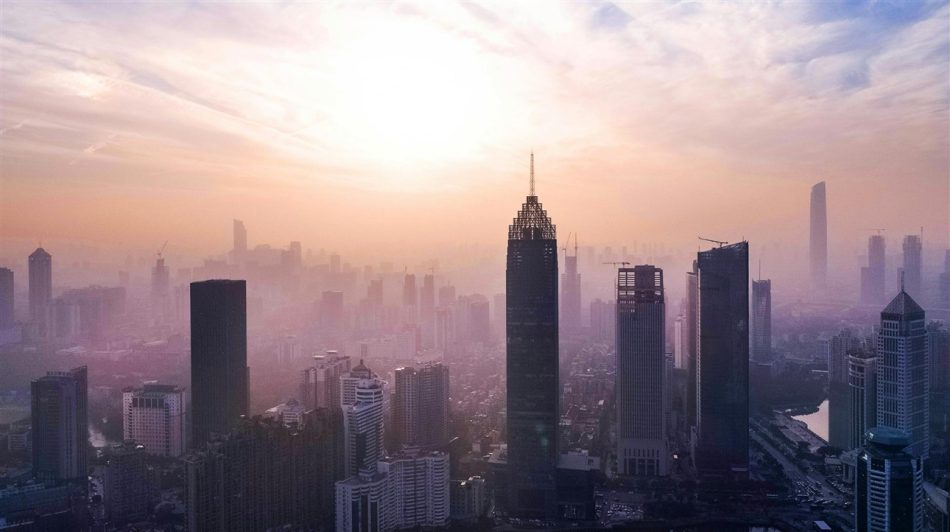
Wuhan, the capital of Hubei Province, blends a long history with dynamic urban development. Situated along the Yangtze River, the city offers diverse filming locations, from iconic landmarks to bustling streets. In this filming in Wuhan guide, we share everything you need to know — including production resources, permits, travel tips, local food, and cultural insights — so your shoot runs smoothly from start to finish.
Production Resources in Wuhan
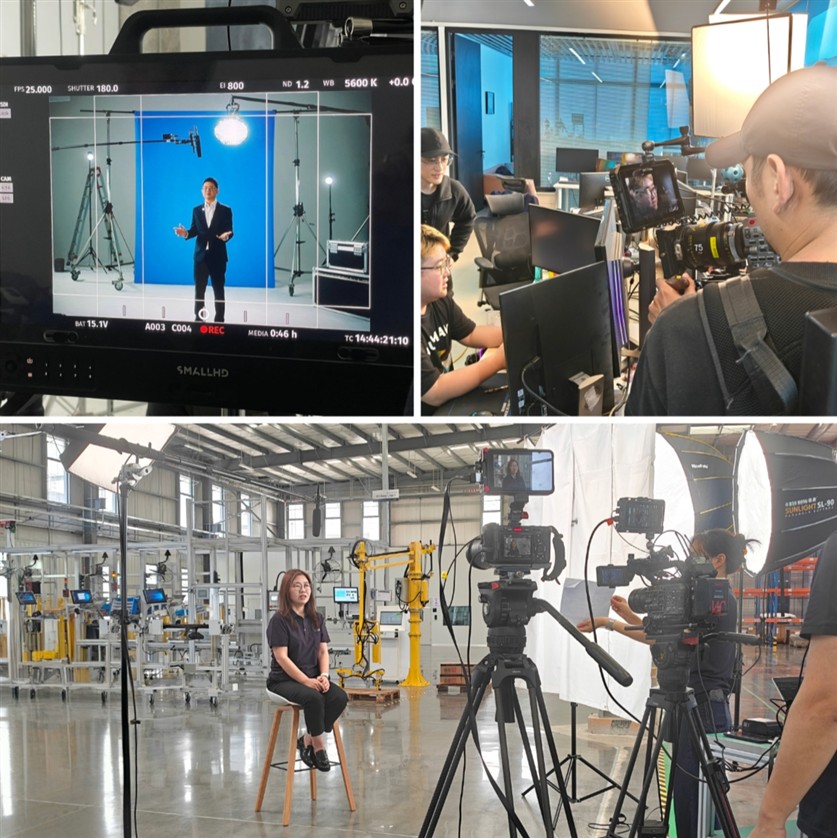
Wuhan’s production scene is growing quickly. You can find experienced directors, DOPs, videographers, producers, makeup and hair artists, location managers, sound engineers, fixers, and assistant directors. Many local crew have experience on corporate videos, commercials, documentaries, and branded content.
Working days usually run 10–12 hours, excluding meal breaks. International productions benefit from hiring bilingual crew, which makes communication much easier. If needed, production and crew insurance can be arranged in advance.
Visas
When filming in Wuhan, applying for a business or work visa is best. These visas match the nature of your work and avoid unnecessary issues. Tourist visas can work for small-scale shoots, yet they are not recommended for professional projects.
Carnet/ATA Carnet
If you plan to bring filming equipment from overseas, use a Carnet/ATA Carnet for customs clearance. However, customs officers may still request extra documents. To prevent delays, confirm requirements with your local fixer before traveling.
Equipment Rental Houses
Basic camera and lighting kits are available in Wuhan. For advanced setups such as ARRI, RED, or specialty lenses, most productions arrange rentals from Shanghai or Guangzhou and have them shipped in. This process is straightforward with the right logistics partner.
Post-Production
While Wuhan has some editing and sound studios, large-scale projects often rely on facilities in Shanghai or Beijing. You can also use online workflows to collaborate with teams outside the city, ensuring flexibility in post-production.
Studios
The city offers mid-size studios suitable for interviews, product shoots, and smaller set builds. For larger soundstage work, productions usually travel to nearby metropolitan hubs.
Location Conditions and Permit Requirements
Permits are essential for filming in public areas or at major landmarks such as bridges and government buildings. Privately owned locations are often easier to secure, with terms depending on rental fees and availability. Shooting in public without a permit is not officially allowed, although discreet documentary work may be possible with minimal crew.
Famous Locations in Wuhan
- Yellow Crane Tower – A historic icon with sweeping city views.
- Yangtze River Bridges – Dramatic urban backdrops.
- East Lake – Ideal for nature scenes and seasonal cherry blossoms.
- Hankou Riverside – Lively riverbank promenades perfect for city life shots.
Equipment Rental
Professional gear — including ARRI, RED, Sony cameras, and lenses from Cooke, Zeiss, and Angénieux — can be sourced locally or shipped in. Grip and lighting equipment are readily available through established suppliers.
Seasons, Weather, and Air Pollution
Wuhan is known for its hot, humid summers, with temperatures often above 35°C (95°F). Spring and autumn are the most comfortable seasons for filming, offering mild weather and stable light conditions. Winters can be cold and damp. Air quality changes throughout the year, so always check the AQI before outdoor shoots.
Drone Usage
Operating a drone in Wuhan requires proper permits and compliance with Chinese aviation laws. Hiring a licensed pilot is the safest way to ensure smooth aerial shooting.
Currency
All transactions are in RMB. Digital payment platforms such as WeChat Pay and Alipay are the most common methods for both small and large purchases. Foreign credit cards are accepted mainly in hotels and upscale restaurants.
Hotel and Meal Costs
International-standard hotels range from USD 80 to 150 per night. Daily meals can cost USD 10–30 depending on your choice of restaurants. Be sure to try Wuhan’s signature dish, hot dry noodles (reganmian), for an authentic local experience.
Filming in Wuhan Tips – Transportation
Wuhan Tianhe International Airport connects the city with domestic and limited international destinations. High-speed trains make travel to Beijing, Shanghai, and Guangzhou quick and convenient. For production logistics, hiring vans or dedicated transport is common practice. Smaller crews can easily move around using ride-hailing apps like Didi. within hours. For production purposes, hiring vans or production vehicles is common. Apps like Didi can handle smaller crew transport needs.