



FPV Drone Filming Services in China | Licensed Pilots & Permits Support
From high-speed factory fly-throughs to breathtaking aerial tours of architecture and landscapes, FPV drone filming in China has become one of the most exciting and in-demand tools in modern video production.
But if you’re planning to capture FPV footage in China, there’s more to it than just piloting skills. You’ll need permits, licensed operators, local knowledge, and the right safety measures to stay compliant.
Here’s everything you need to know about FPV drone filming services in China—and how Shoot In China can help make it happen smoothly and legally.
What Is FPV Drone Filming?
FPV (First-Person View) drones offer fast, agile, immersive footage by allowing the pilot to “see” through onboard goggles in real time. Compared to traditional drones, FPV drones:
- Are smaller and more nimble
- Offer more dramatic movement and speed
- Can fly indoors or through tight environments
- Require high-level piloting skill
They’re commonly used for:
- Factory fly-throughs
- Event highlight reels
- Extreme sports promos
- Real estate walkthroughs
- Brand content and tourism videos
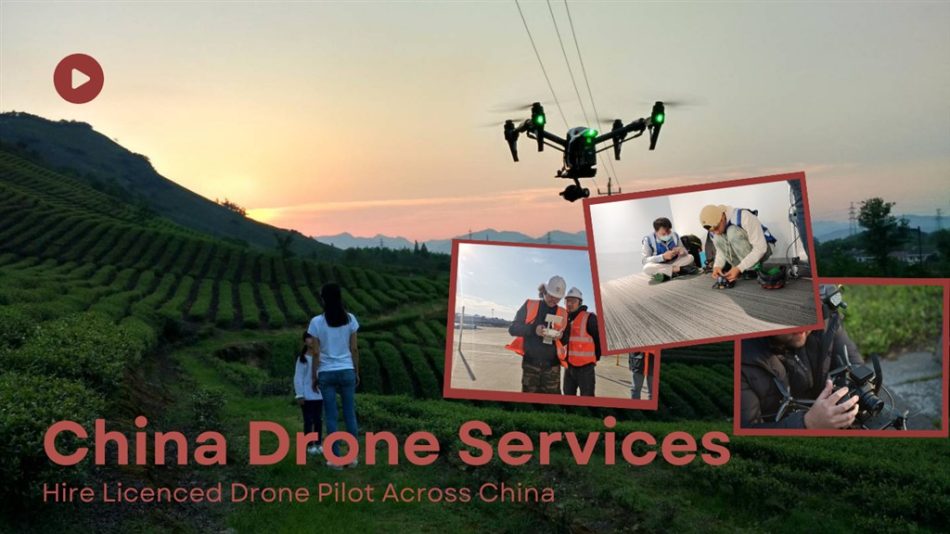
Our FPV Drone Filming Services Include:
- Licensed, experienced FPV drone pilots across China
- Indoor & outdoor location scouting and flight planning
- Permit application & coordination with authorities
- Dual-operator support (pilot + spotter) for safety
- Gear setups including GoPro Hero 11, DJI O3 Air Unit, Naked GoPro
- Post-production stabilization and color grading if needed
Need FPV Drone Filming Services in China?
Whether it’s part of a larger production or a standalone project, we offer safe, legal, and professional FPV drone filming services across China.
Contact Shoot In China to book a licensed FPV pilot and start planning your flight path today.
Planning an FPV Shoot in China
Start with a proposed route, location photographs, camera requirements and the intended use of the footage. Agree a safe separation from people, equipment and operating machinery, and confirm who can approve access and the route.
Registration, aircraft category, operator requirements and flight restrictions must be checked for the actual operation. Use current CAAC regulations and UOM information. Location permission alone does not establish that a flight can proceed; allow for a ground-camera alternative.
Connect the FPV sequence to the wider production
For a factory or process film, start with the manufacturing shoot planning guide so the flight sequence supports the main story. Our China fixer service covers wider location and production coordination. Send the proposed location, route, dates and delivery requirements to [email protected] for an initial discussion.