



Traditional Village Filming Locations in China
Stone towers, timber roofs and hillside houses give traditional village filming locations in China very different appearances. This guide introduces four settlements through their architecture and surrounding landscape, with practical notes for a visit. The emphasis is on what the places look like, from broad village outlines to smaller streets and passages.
Explore the 16-location landscape overview for more scenery across China.
1. Taoping Qiang Village, Sichuan
Taoping is a compact stone village where tall watchtowers rise above closely joined houses. Grey and brown masonry gives the settlement a continuous texture, with narrow openings, shaded passages and changes of level visible between the buildings.
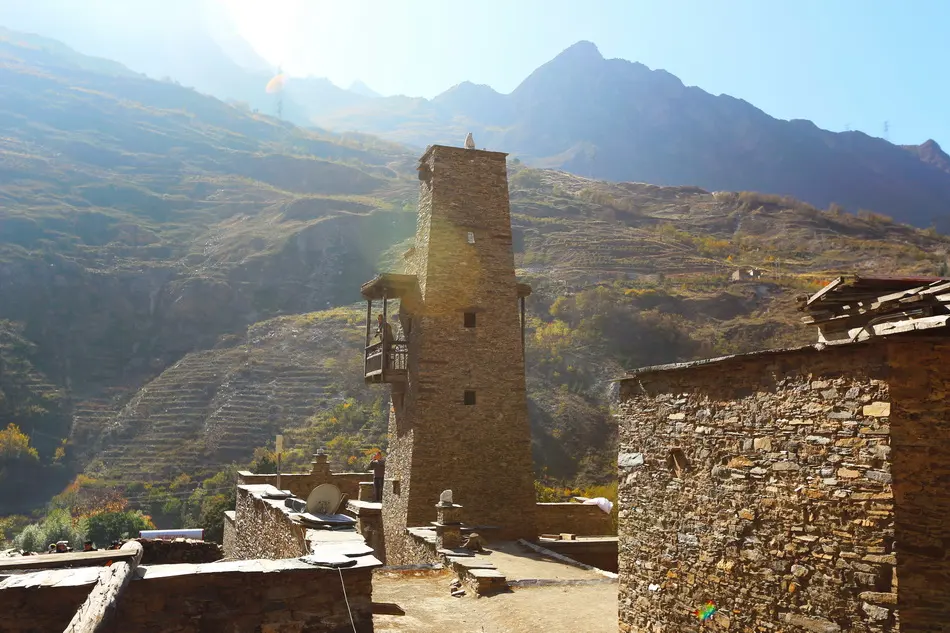

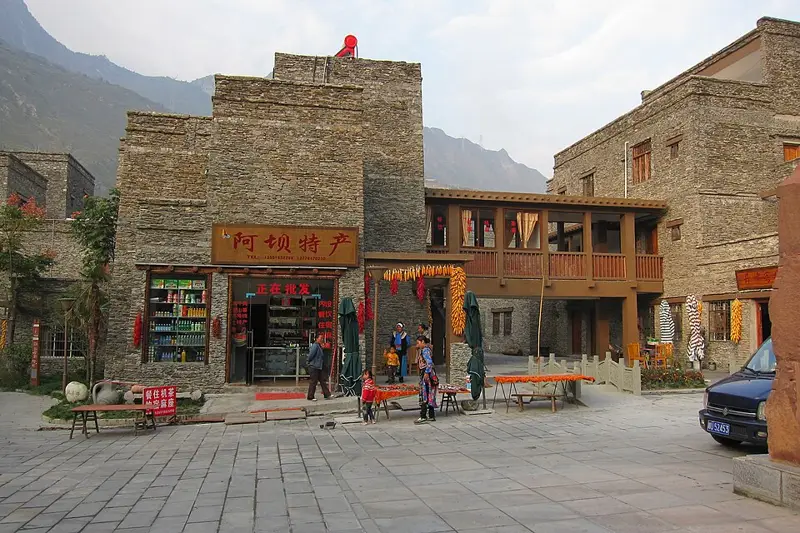
The old village and the newer visitor area have different appearances. In the old settlement, the interest lies in the relationship between towers, rooflines and connected lanes. A broad view explains the village outline; a walk through the passages reveals the smaller scale of doors, walls and stonework.
Getting There. Approach by road from Chengdu through the Wenchuan region towards Li County. Taoping lies on the regional road corridor, but use the named scenic entrance rather than a general county destination.
Parking. Visitor parking is listed near the scenic entrance. Leave the vehicle outside the old lanes and confirm the walking route. Steps and tight passages make the village a place to explore on foot.
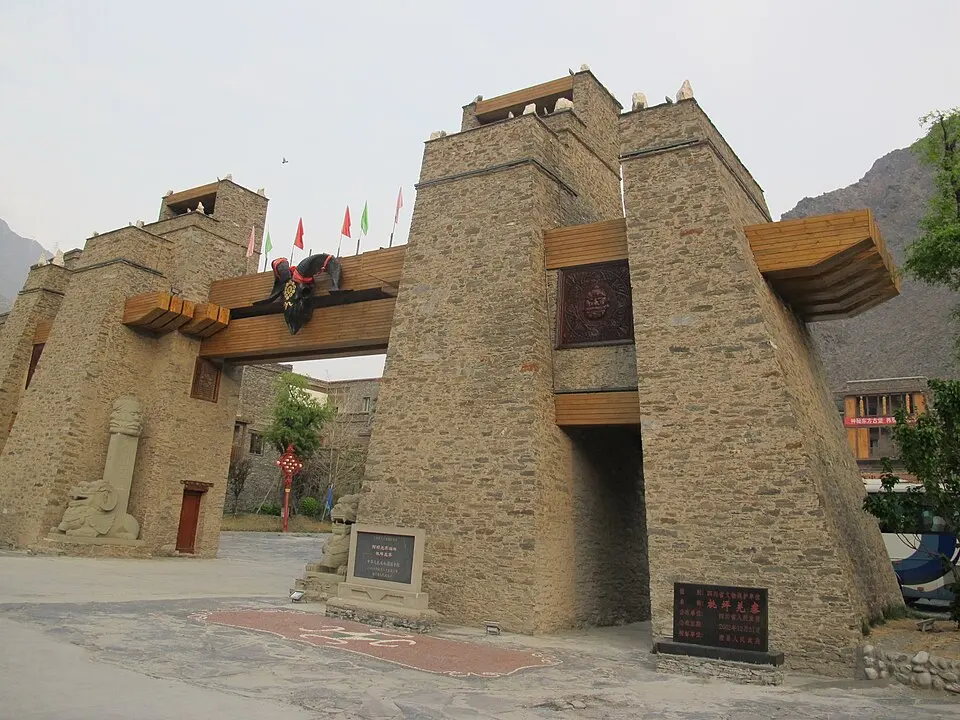

Season. Spring and autumn are useful starting periods for milder walking weather. Rain darkens the stone and changes the appearance of the lanes; clear sun creates a stronger contrast between open courtyards and enclosed passages.
Food and Dining. Look for meals in the developed visitor area or arrange them with a local guesthouse. Confirm opening hours and menus, particularly for an early arrival. Carry water for the walking section.

2. Zhaoxing Dong Village, Guizhou
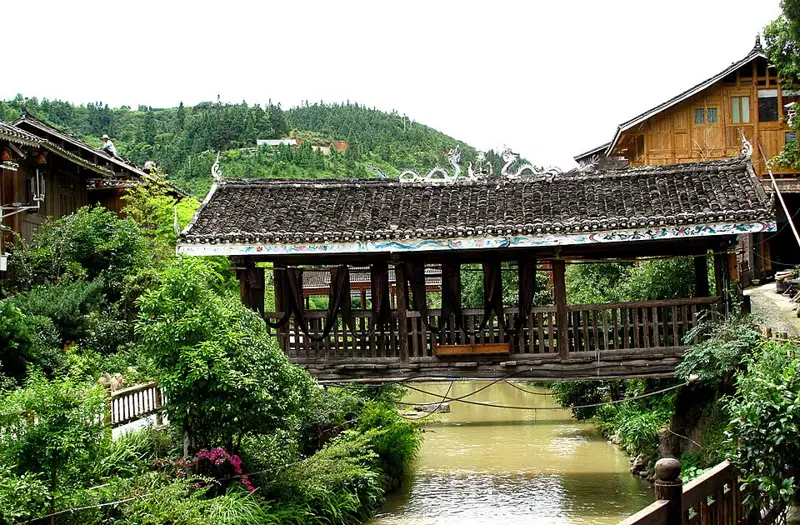
Zhaoxing sits within a green valley, with tiled roofs gathered around timber drum towers. Covered bridges and waterside paths give the settlement a sequence of smaller views, while the towers establish its silhouette above the surrounding houses.
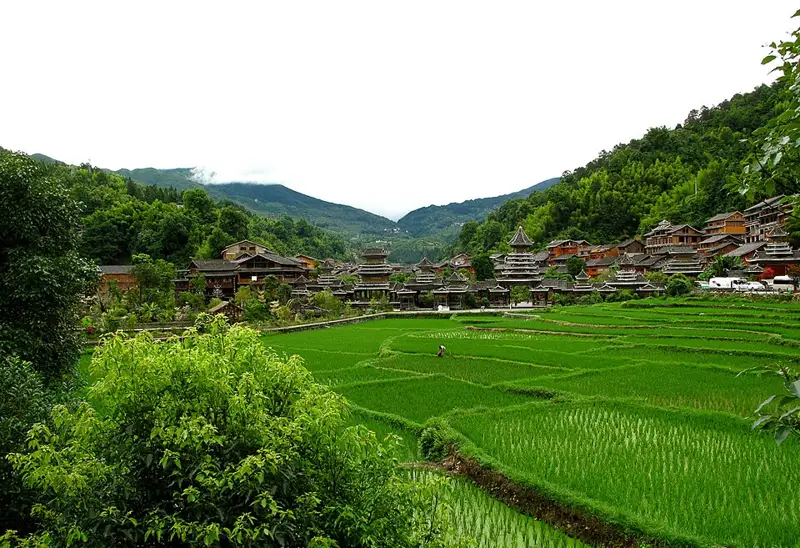

The appeal changes between the wider valley view and the spaces beside the stream. Timber columns, repeated roof tiers and the close spacing of houses create different layers of detail. The village remains a lived-in settlement, with shops and visitor activity forming part of its current appearance.
Getting There. Check rail services to Congjiang station, then arrange the short onward road connection to the Zhaoxing visitor area. Congjiang station and Congjiang county town are different destinations; give the driver the actual village entrance.
Parking. Use the designated visitor parking and confirm the current onward arrangement with the accommodation or operator. Festival controls can change vehicle access. Do not assume that a village hotel booking allows a car to reach its doorway.
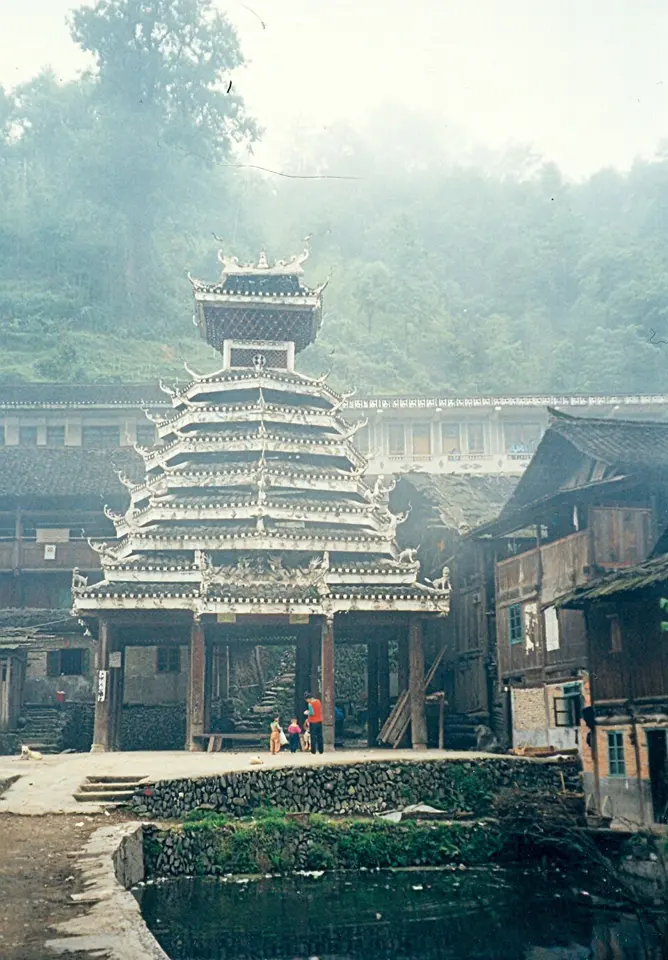

Season. Spring brings fresh green surroundings, while autumn can offer milder walks and changing field colour. Summer is lush but wetter. Festival dates can bring much more activity, so compare the desired village atmosphere with the local calendar.
Food and Dining. The village has guesthouses and restaurants. Arrange breakfast and dinner around the walking plan, and check ingredients before ordering regional dishes. A meal in the village is more practical than returning to the railway station between stops.

3. Xijiang Miao Village, Guizhou
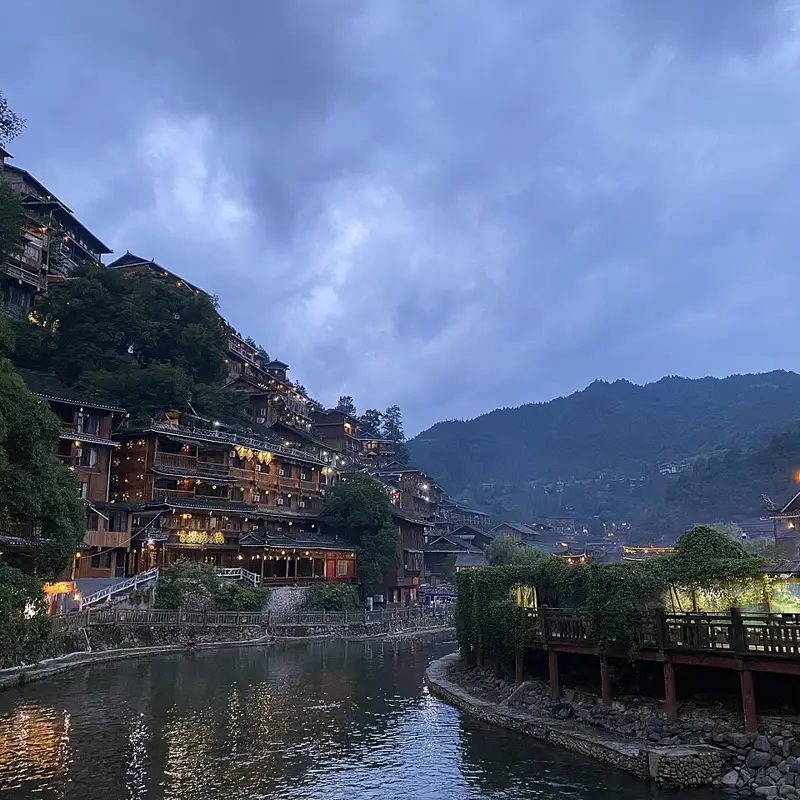
At Xijiang, timber houses follow the slopes on both sides of the valley. Their dark rooflines build into a dense hillside pattern, with the river and bridges providing a lower, more open line through the settlement.
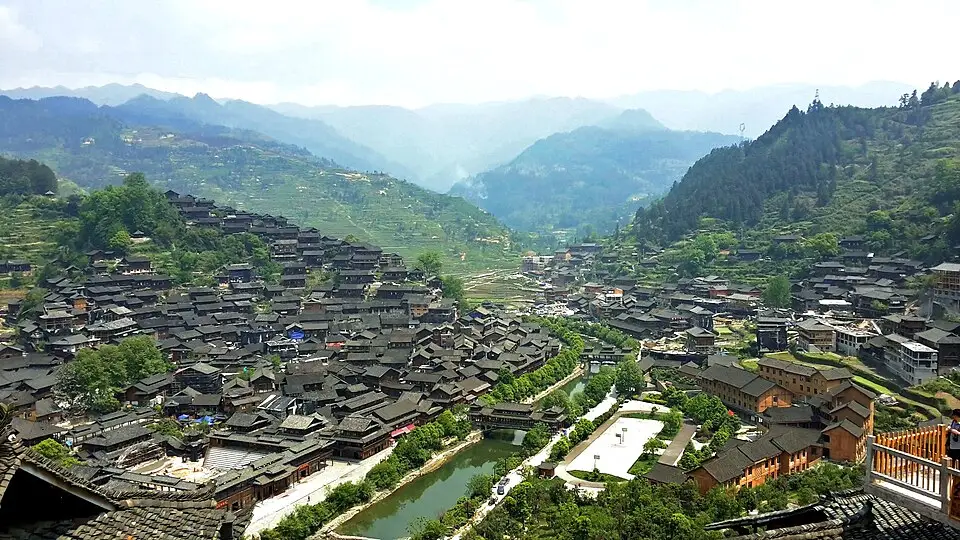

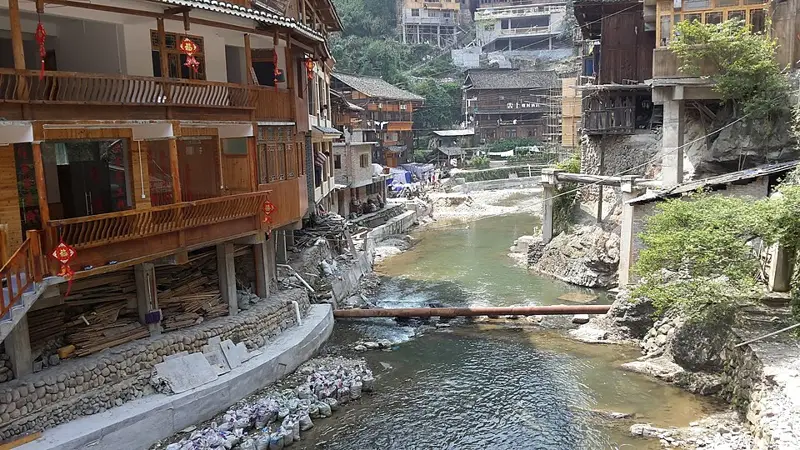
A high viewpoint reveals the scale of the village; the riverside brings roof details, bridge structures and shopfronts closer. After dusk, lighting creates a different impression from the daytime landscape. Modern visitor infrastructure is part of the setting and should be considered when comparing reference photographs.
Getting There. Use Kaili as a regional connection and check rail services to Kaili South before arranging the onward road journey to the selected scenic entrance. Confirm the entrance and return pickup rather than relying on a general Xijiang map pin.
Parking. Plan to use the visitor parking outside the main pedestrian village. Check the current sightseeing-vehicle routes and walking distances: the operator publishes route-change notices, and a viewpoint may require a different transfer from the riverside.

Season. Spring and autumn are useful starting points for comfortable walks. Summer brings fuller greenery and rain. Daylight, evening lighting and visitor numbers can change the same view considerably, so decide which appearance matters most.
Food and Dining. Restaurants and guesthouses operate in the developed village. Check meal times with the selected accommodation and allow for the walk between a hillside room and the main dining streets. Regional menus vary by restaurant.

Location References
4. Zhonglu Villages, Danba, Sichuan
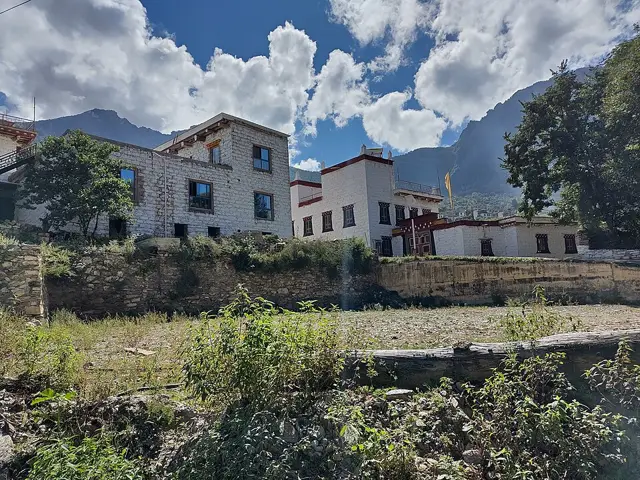
The Zhonglu area of Danba combines stone watchtowers, village houses and cultivated slopes. Buildings are dispersed across the hillside rather than forming one enclosed street, leaving fields, trees and mountain contours visible between them.
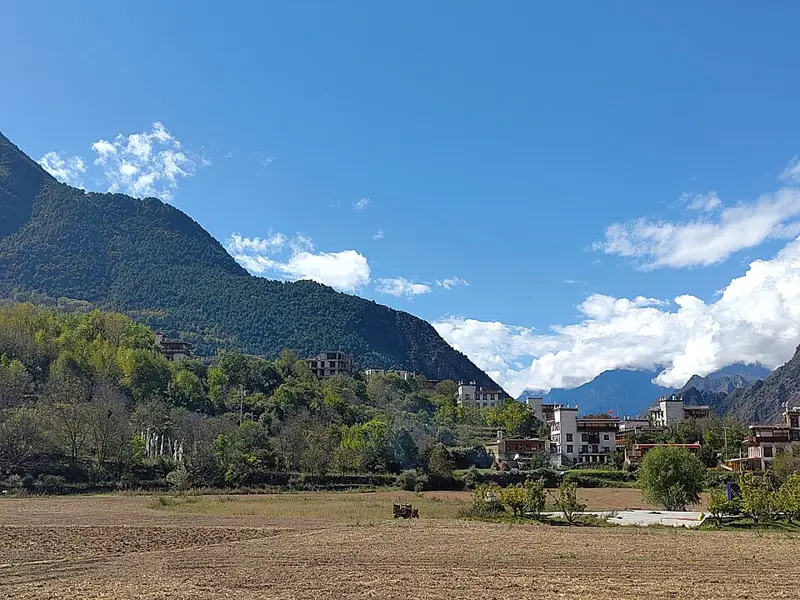

The photographs in this section show Zhonglu and its named village settings, rather than presenting them as views of Jiaju. The wider Danba region contains several separate village areas. Here the visual interest is the spacing of houses and towers within the valley landscape.
Getting There. Use Danba town as the regional base and continue by road to the selected Zhonglu village or guesthouse. Give the driver an exact destination; Jiaju and Zhonglu are separate areas and should not be treated as one entrance.
Parking. Arrange a stopping place with the selected village or accommodation. Hillside roads and household access points vary. Confirm where a vehicle can turn and how far the final walk continues, rather than stopping wherever a view appears.
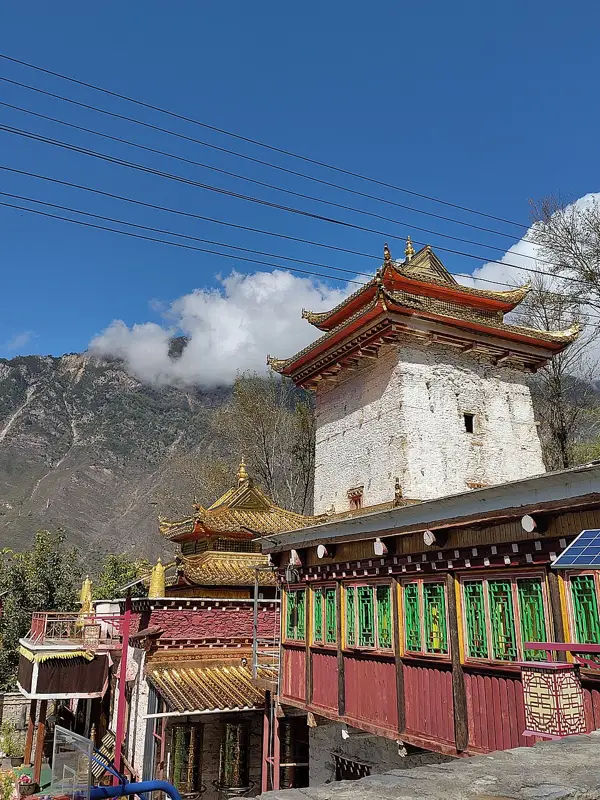

Season. Spring offers fresh vegetation and seasonal blossom in parts of the valley; autumn can bring warmer foliage and field colours. The timing changes with elevation and weather. A recent photograph is useful when choosing a particular hillside view.
Food and Dining. Danba town and village guesthouses are practical dining bases. Book meals with the overnight accommodation when visiting a dispersed village, and confirm breakfast before setting out for an early viewpoint.

More Location Guides
- Historic Towns and Villages for Filming in China
- Gardens and Heritage Architecture for Filming in China
- Highland Valley Filming Locations in China
- Ancient City Ruins in China: Filming Location Guide
- 16 Scenic Locations in China
These credited photographs are location references, not examples of Shoot In China projects. Seasonal descriptions are general guides. Confirm current opening, access and transport arrangements for the intended travel dates.