



16 Scenic Locations in China for Filming and Photography
Planning filming or landscape photography in China? These 16 scenic locations offer a starting point, from mountains and lakes to historic villages, desert formations and coastal settings. This overview brings together natural scenery and cultural landscapes, with two reference photographs and a short introduction for each location.
Use the photographs as starting points for scouting. They are credited third-party reference images, not examples of Shoot In China projects. Conditions, access and permitted activities need to be checked for the proposed dates and crew.
Selected Locations · More Location Ideas · Plan Your Shoot
Explore Locations by Landscape
For more detailed references, compare access, seasonal looks and practical filming considerations in these location guides.
- Grassland Filming Locations in China
- Desert and Rock Filming Locations in China
- Coastal and Island Filming Locations in China
- Best Lake Filming Locations in China
- Best Mountain Locations in China for Filming and Photography
- River and Waterfall Filming Locations in China
- Rice Terraces and Rural Filming Locations in China
- Historic Towns and Villages for Filming in China
- Gardens and Heritage Architecture for Filming in China
- Wetland and Mudflat Filming Locations in China
- Forest and Bamboo Filming Locations in China
- Snow and Winter Filming Locations in China
- Karst and Canyon Filming Locations in China
- Traditional Village Filming Locations in China
- Highland Valley Filming Locations in China
- Ancient City Ruins in China: Filming Location Guide
16 Landscape Photography Locations
1. Huangshan, Anhui
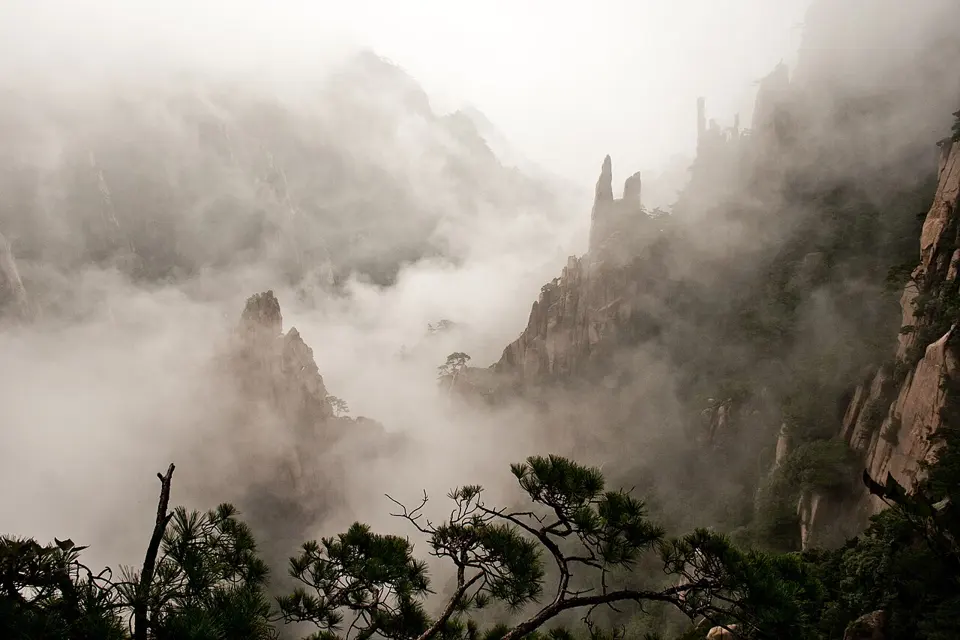
Granite peaks, pine trees and drifting cloud create the mountain layers associated with Huangshan. The photograph shows the misty character that can shape a landscape sequence. For a shoot, discuss walking access, equipment weight and weather alternatives before selecting a viewpoint.
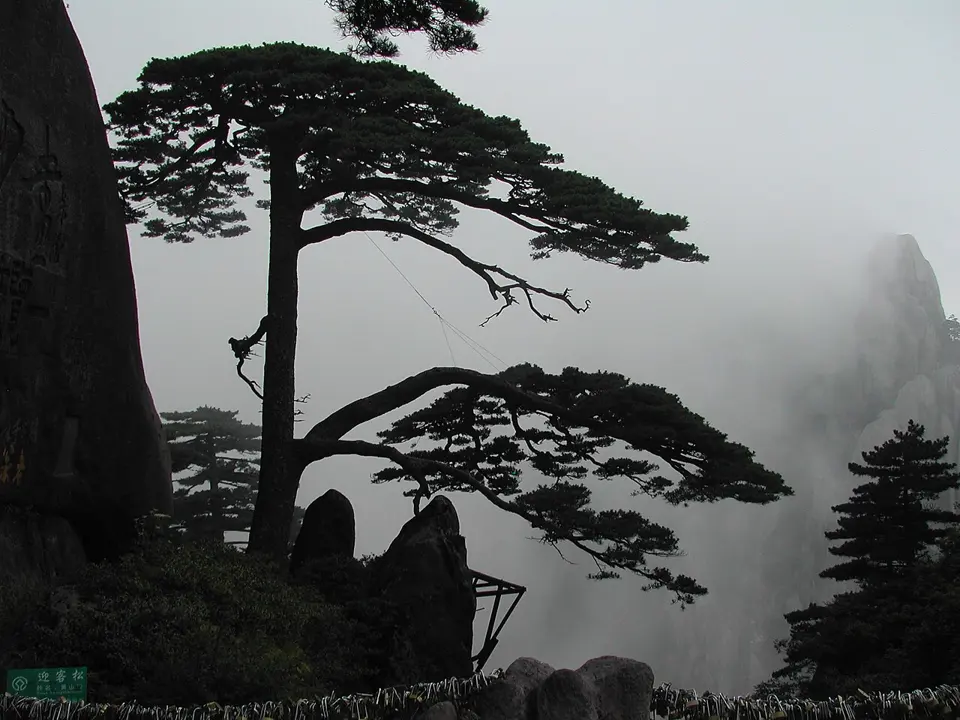
Pine silhouettes and mist provide another view of Huangshan. Mountain visibility changes quickly, so allow time for weather and safe movement between viewpoints.
2. Meili Snow Mountains, Yunnan
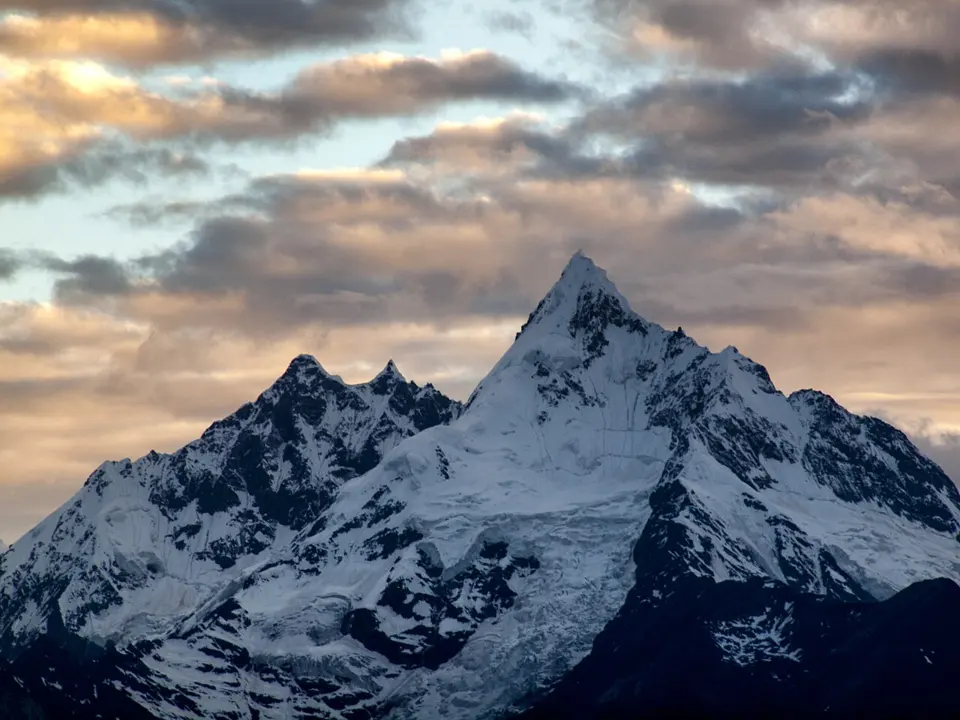
Snow-covered ridges and changing light give the Meili mountains a different visual character from eastern China’s wooded peaks. This view shows a mountain summit at dusk. Plan the camera position and travel arrangements around the intended scene, with time allowed for changing visibility.
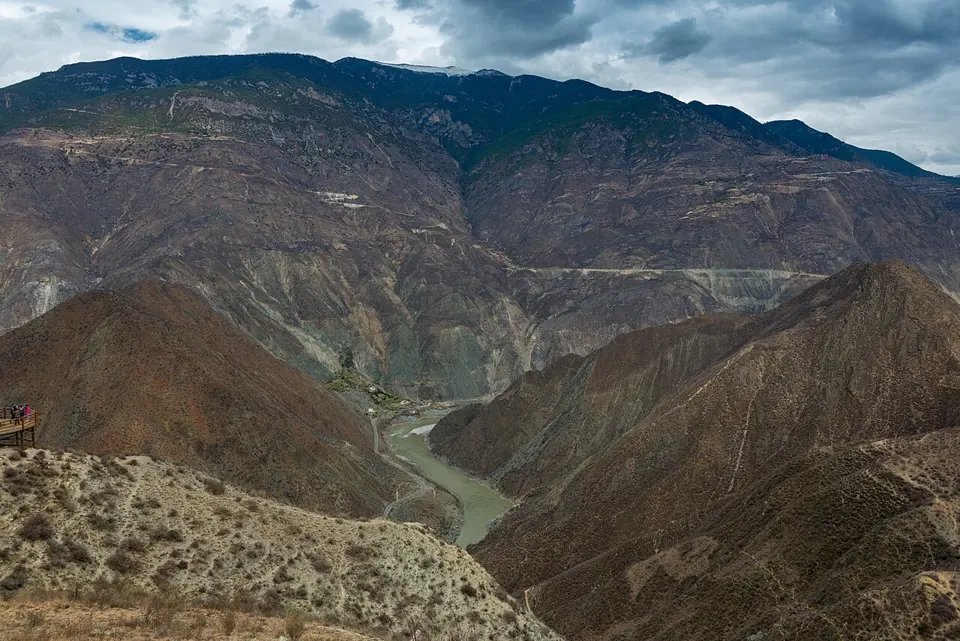
The surrounding valleys offer a contrast to the snow peaks. A location plan should allow for travel time, altitude and changing mountain weather.
3. Qinghai Lake, Qinghai
Qinghai Lake combines open water, broad shorelines and distant hills. The low horizon and wide sky can suit landscape establishing shots or a sequence built around scale and open space. Confirm shoreline access, wind conditions and transport for the proposed camera position.
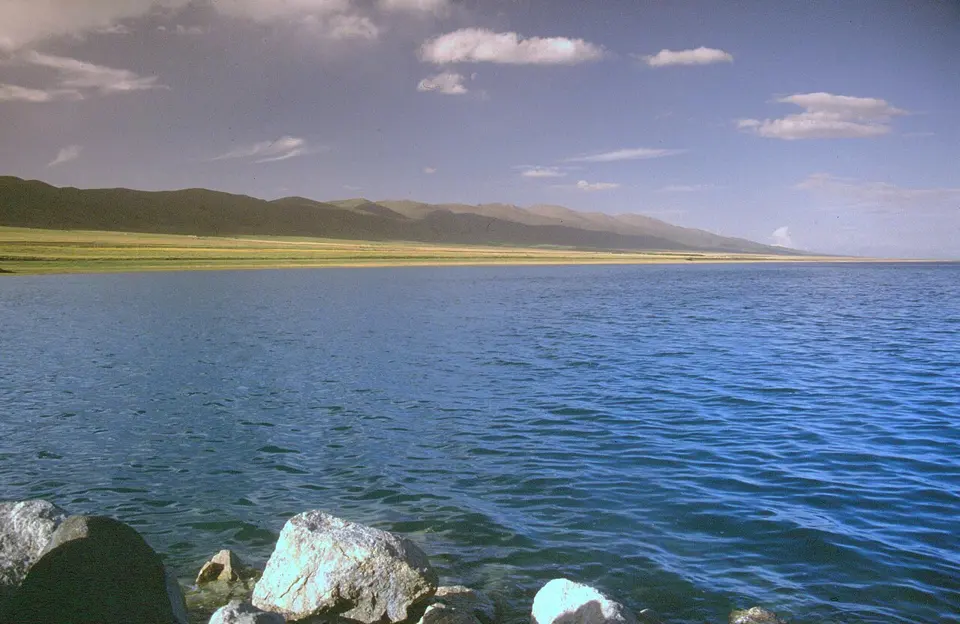
The shoreline offers a different scale from the open lake. Scout seasonal water levels and the position of the sun before choosing a camera position.
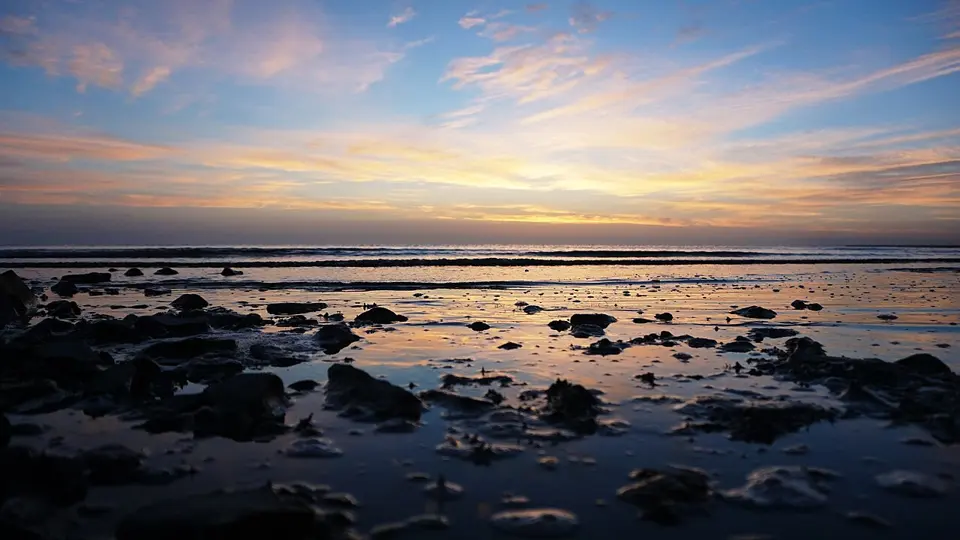
4. Li River, Guilin, Guangxi
The Li River landscape is defined by steep karst hills, bamboo and river views. Mist can create overlapping silhouettes, as shown in this photograph near Guilin. A location brief should distinguish a riverside viewpoint from filming on a boat, as the preparation and access arrangements differ.
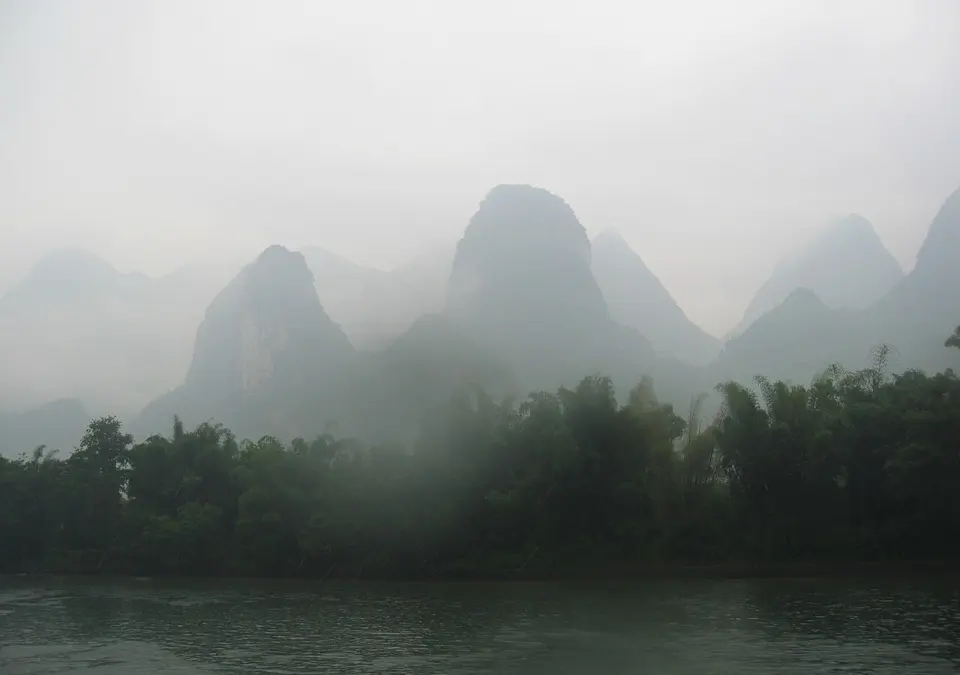
Winter haze creates a softer view of the karst landscape. Light, river conditions and visibility should guide the final choice of viewpoint.
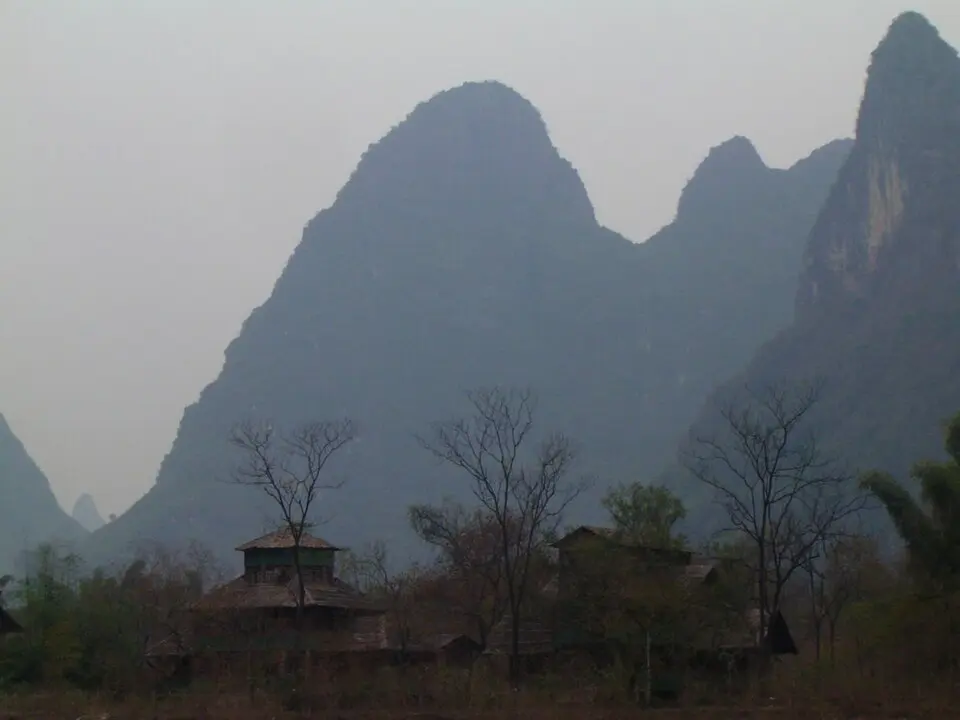
5. Jiuzhaigou, Sichuan
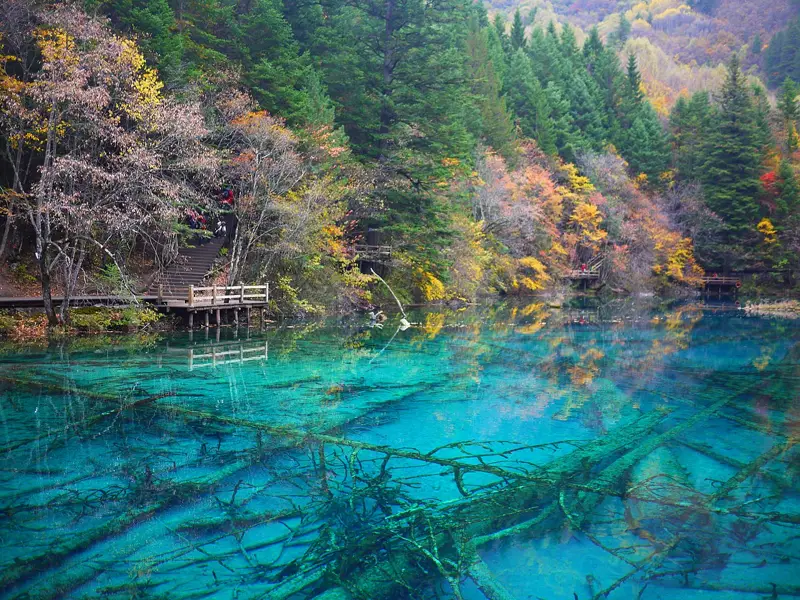
Clear water, submerged branches and wooded slopes offer both wide landscape views and detailed compositions. This photograph shows Five Flower Lake. Choose the intended visual reference before planning the route, and confirm the current site rules and permitted camera positions for the proposed production.
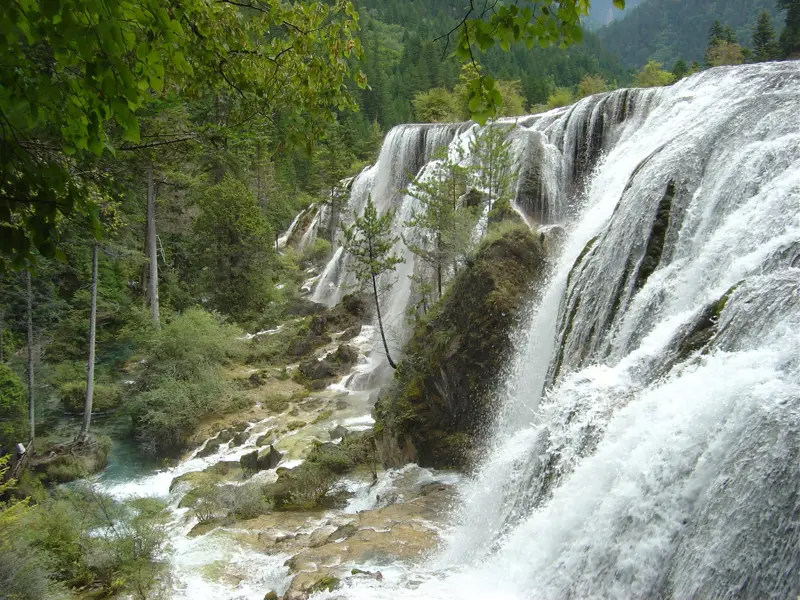
Waterfall details can complement the lakes in a location sequence. Spray, slippery paths and visitor movement need to be considered when scouting camera positions.
6. Huanglong, Sichuan
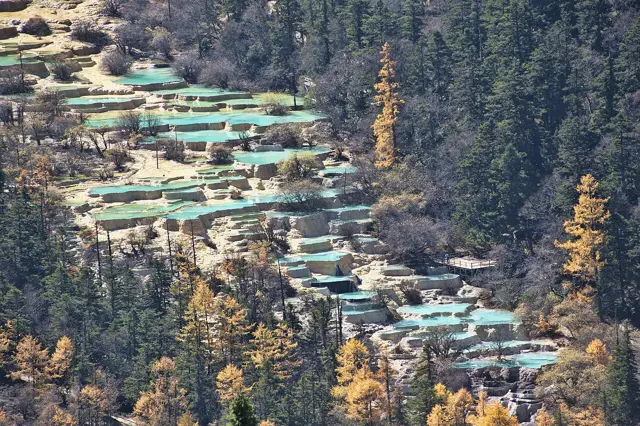
Huanglong’s stepped travertine pools provide patterns, color and reflections within a mountain setting. The scene can be approached as a broad view or a study of the pool edges. Plan around designated visitor routes and check what equipment and commercial activity the site allows.
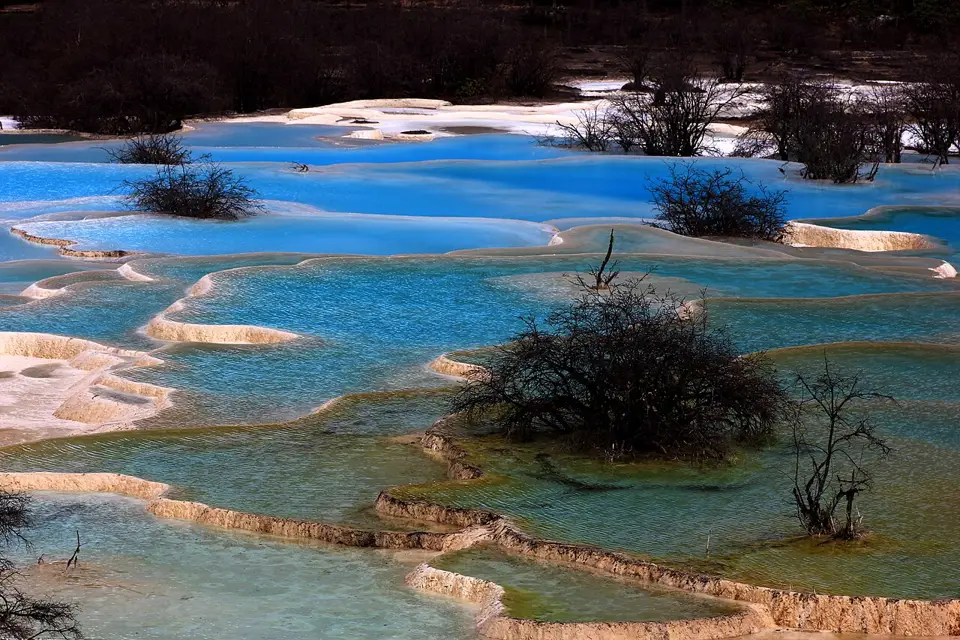
The pools form patterns at different scales. Use established visitor routes and confirm where a commercial setup can operate before planning equipment movement.
7. Yuanyang Rice Terraces, Yunnan
The rice terraces at Yuanyang create repeating curves across the hillsides. Flooded fields can reflect the sky, while the appearance changes with agricultural conditions. Share the required visual reference and check the current field conditions rather than assuming an archive photograph matches the planned shoot date.
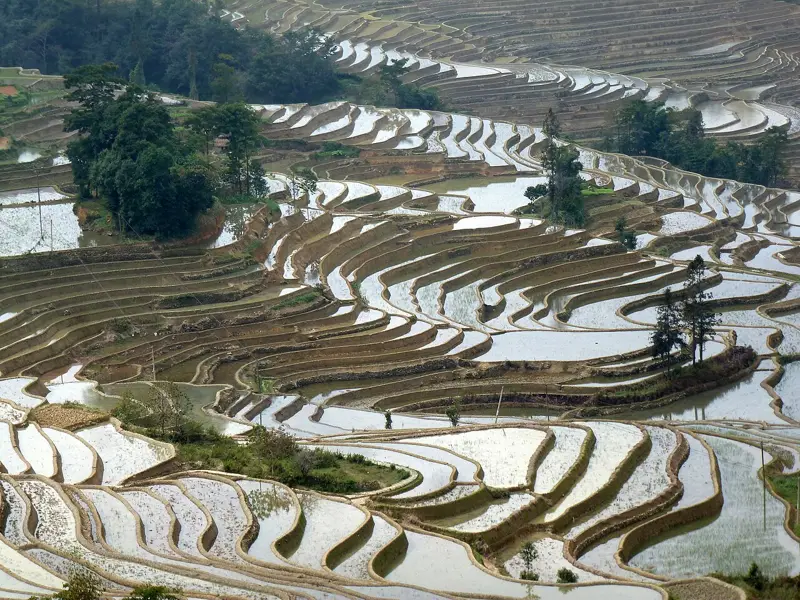
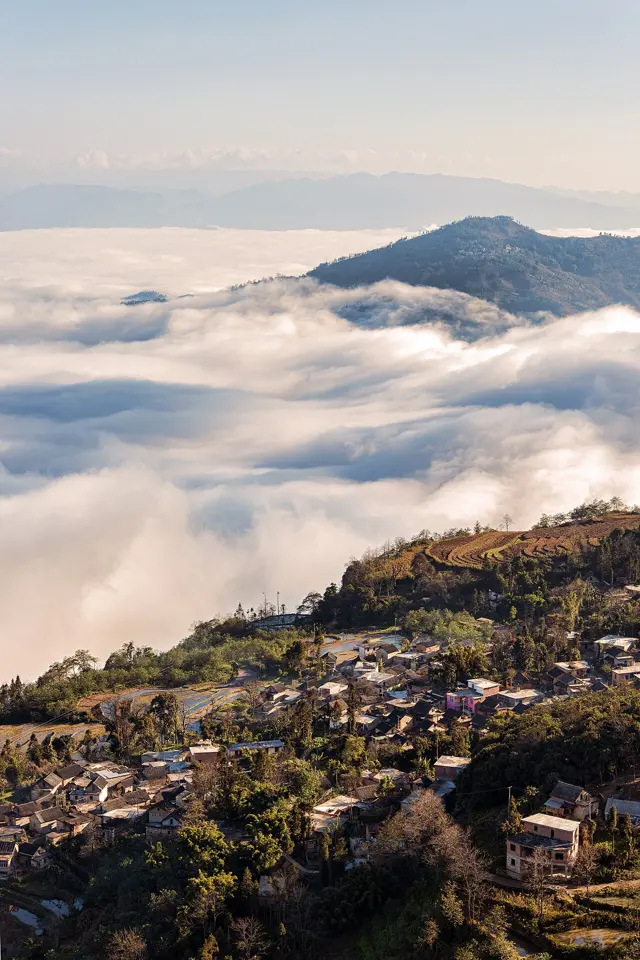
Terraces can look very different under cloud and changing light. Choose viewpoints according to the season, the farming cycle and the desired depth in the frame.
8. Hongcun, Anhui
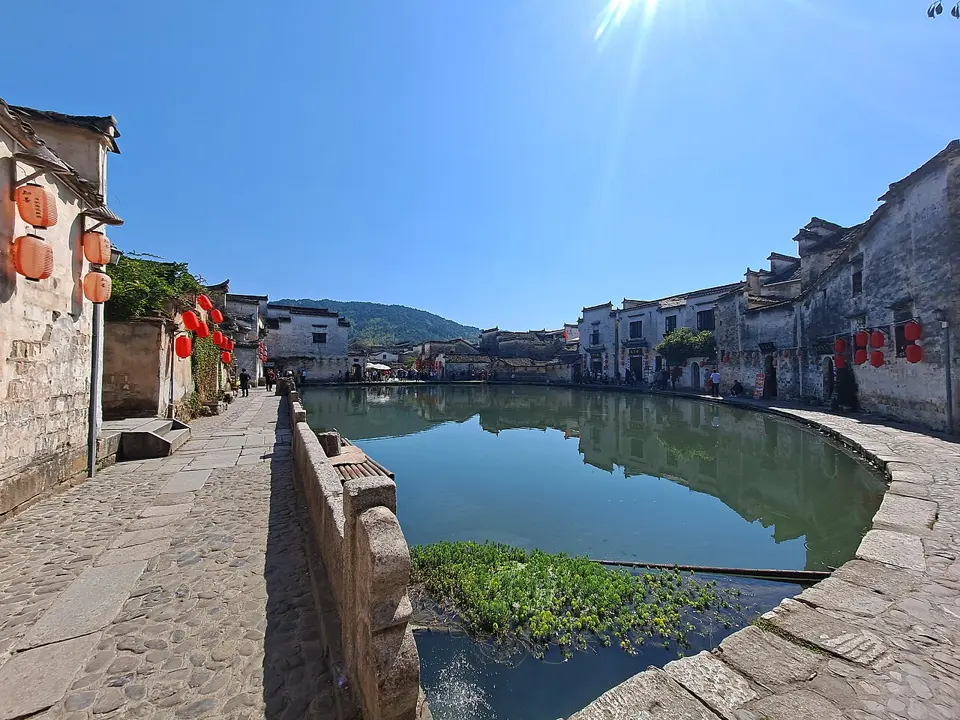
White walls, dark roofs and water reflections make Hongcun useful as a reference for village and architectural landscapes. This photograph shows Moon Pond. A commercial setup needs its own access discussion, including crew footprint, equipment and how filming would interact with residents and visitors.
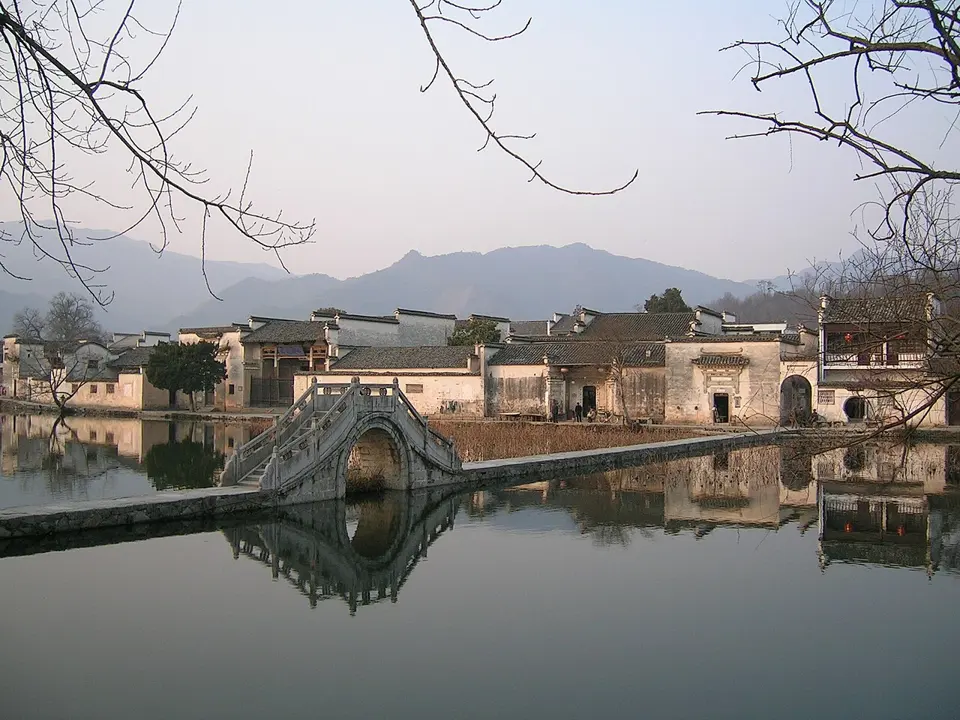
Village bridges and waterside buildings add architectural detail to the wider landscape. Plan small setups around pedestrian access and local activity.
9. Suzhou Gardens, Jiangsu
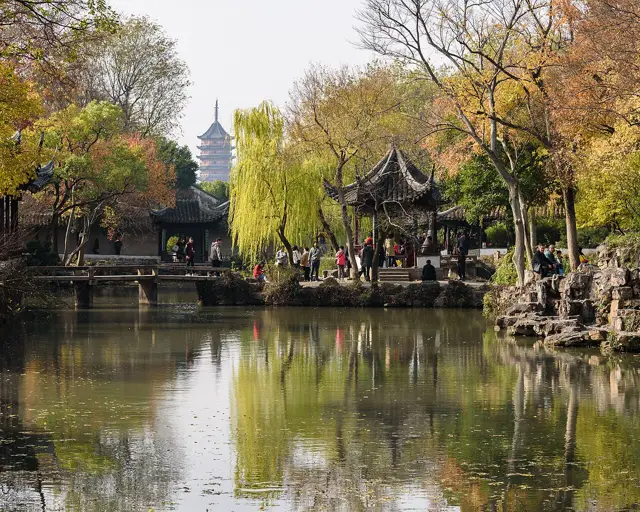
Suzhou’s classical gardens combine water, rockwork, planting and built structures within a more contained landscape. The photograph shows the Humble Administrator’s Garden. For photography or filming, decide whether the brief needs an overall garden view or details, then assess visitor activity and available space.
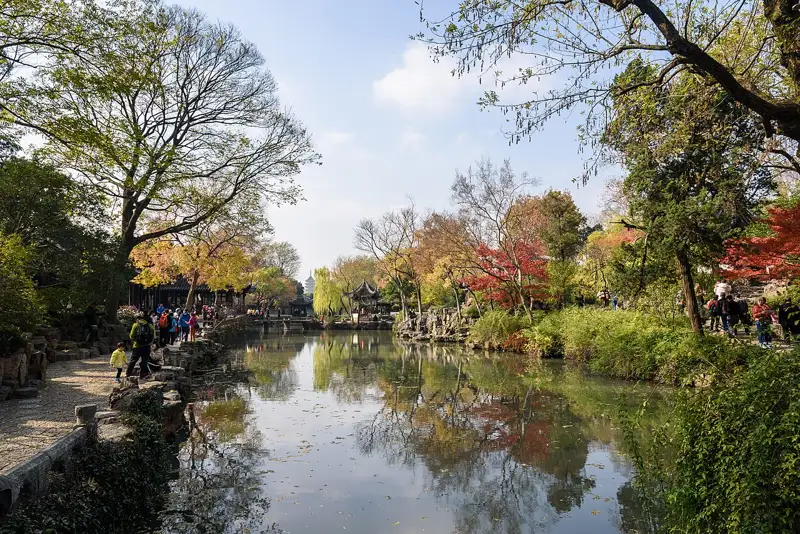
Pavilions, water and planting create several layers within a small area. Timing and visitor management matter when planning a quiet architectural shot.
10. Wuzhen, Zhejiang
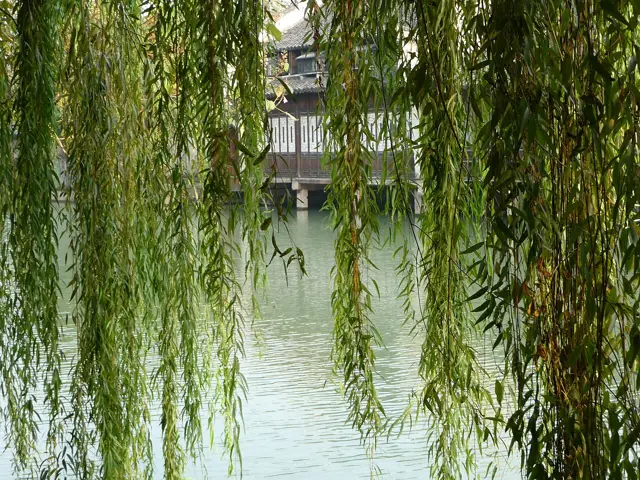
Canals, timber buildings and waterside planting give Wuzhen a softer setting for town and lifestyle sequences. The photograph frames a canal through willow branches. Check the chosen viewpoint, light and access conditions during scouting rather than treating every street or waterside space as a filming location.
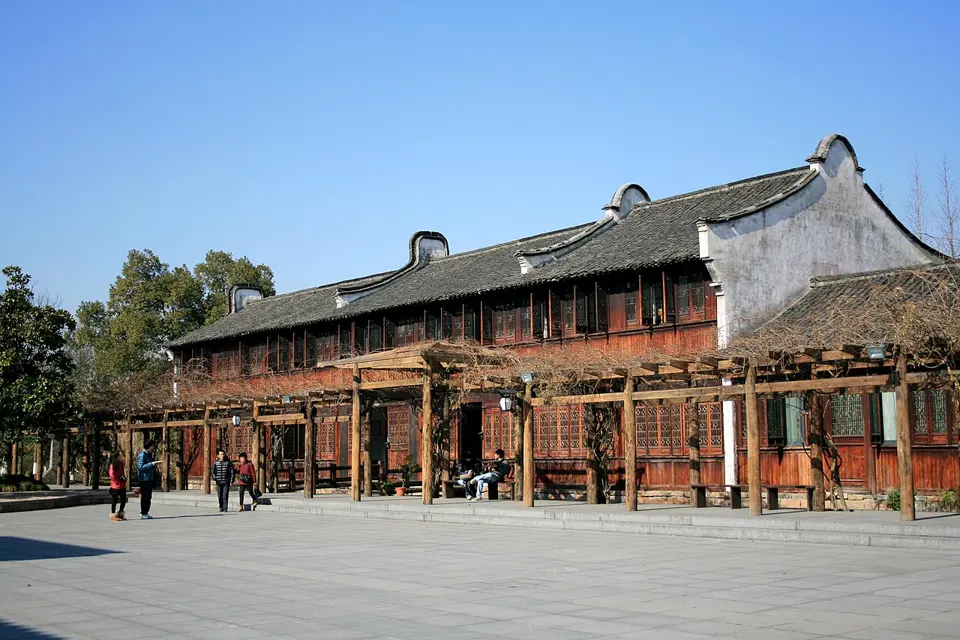
Street-level architecture gives another perspective on the water town. A scout can identify quieter periods and suitable backgrounds for a compact crew.
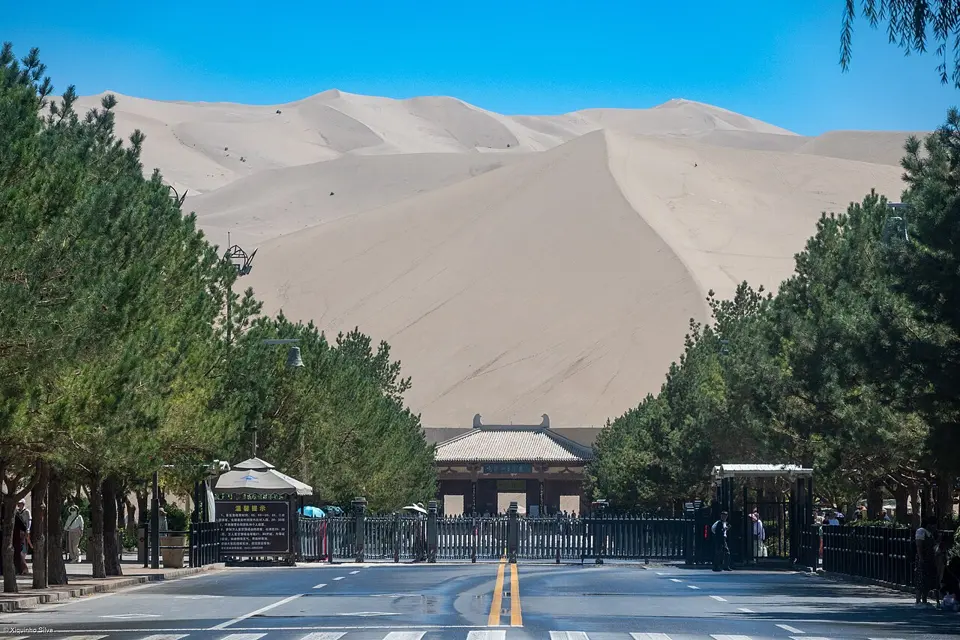
11. Mingsha Sand Dunes, Dunhuang, Gansu
The dunes beside Dunhuang provide broad sand slopes and a clear contrast with the surrounding developed visitor area. This photograph shows the dunes beyond the entrance. For a landscape brief, specify whether the shot needs an isolated dune view, people for scale or the wider visitor setting.
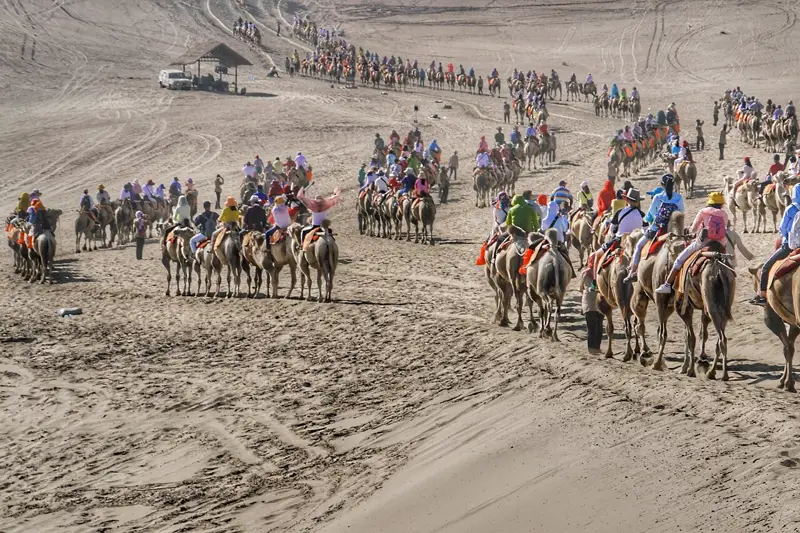
Camel routes show the dunes at a human scale. Visitor traffic and footprints can change the appearance of a shot throughout the day.
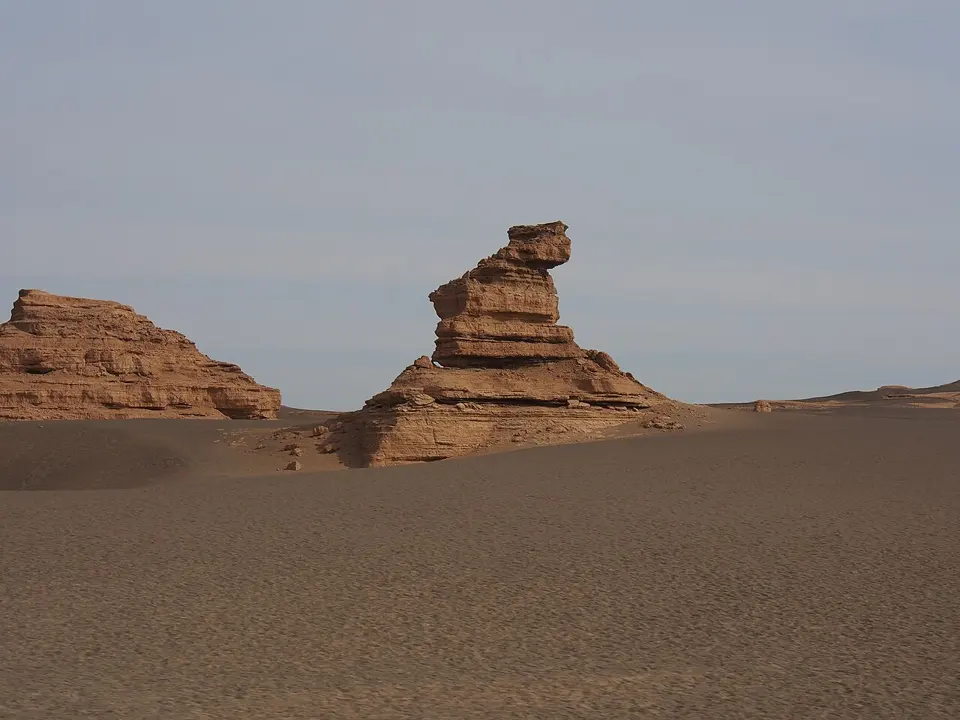
12. Dunhuang Yardang Landforms, Gansu
Wind-shaped rock formations give the Dunhuang yardang landscape strong silhouettes and surface texture. The photograph shows the formation known as Lion Yardang. A recce should assess camera angles, transport and the time needed between viewpoints, with site access confirmed for the intended activity.
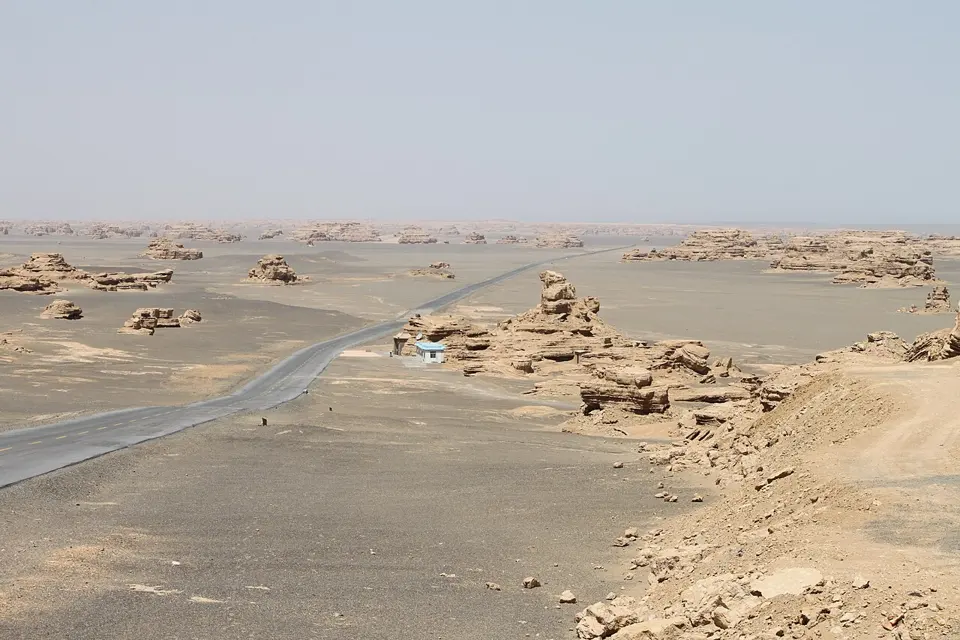
Wider views reveal the spacing of the yardang formations. Strong sunlight and wind affect both the image and practical working conditions.
13. Danxia Mountain, Guangdong
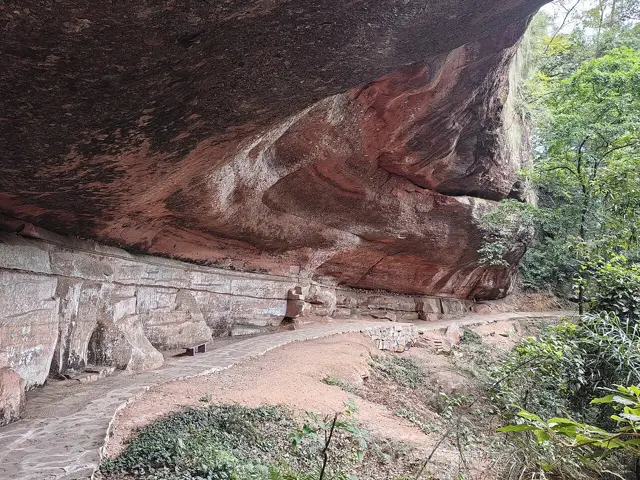
Danxia Mountain offers red sandstone surfaces, rock formations and woodland. The selected photograph shows a close view of the rock and a visitor path, making it a reference for texture and scale. A wider cliff landscape would need a different viewpoint and separate scouting.
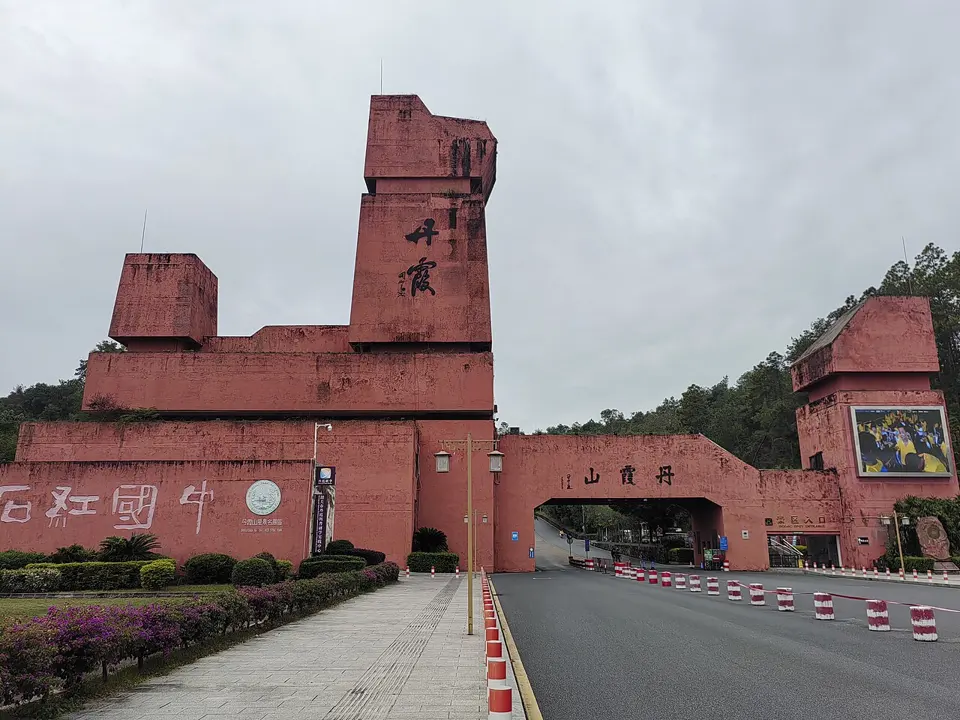
The visitor entrance provides practical context for a Danxia location scout. Confirm the route to the desired rock formations and the equipment access separately.
14. Hemu Village, Xinjiang
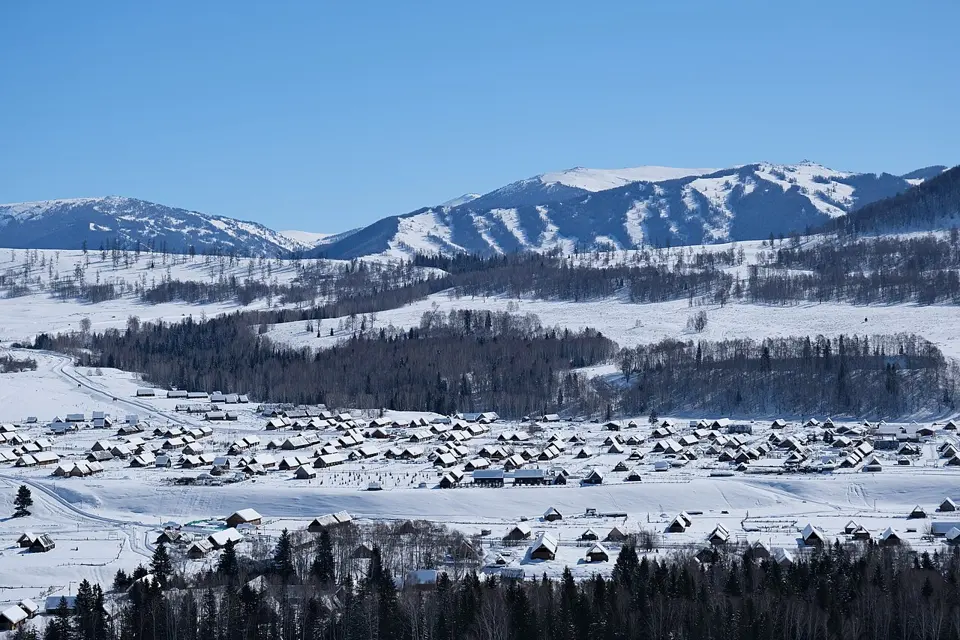
Timber houses, open slopes and woodland create a village landscape with a strong seasonal character. This photograph shows Hemu under snow. Winter scenes require different travel and equipment preparation from summer visits, so the reference image should be matched to the actual schedule and conditions.
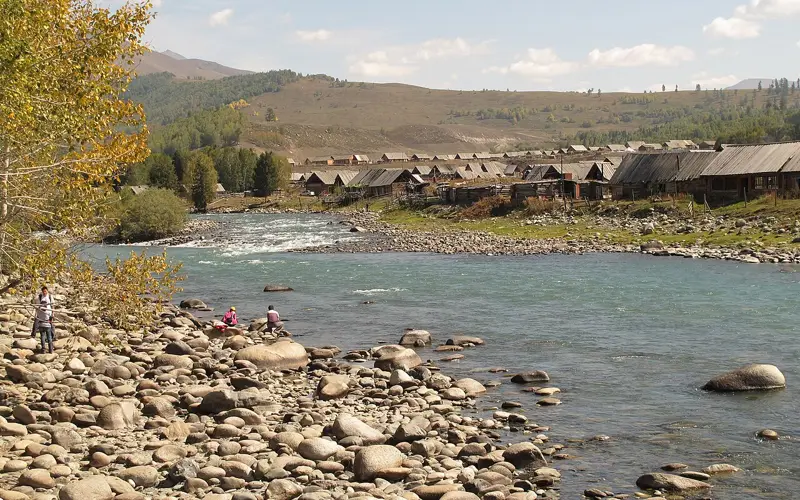
The river and village provide a contrasting seasonal reference. Confirm road conditions, walking access and the timing of autumn or winter scenery locally.
15. Gulangyu, Xiamen, Fujian
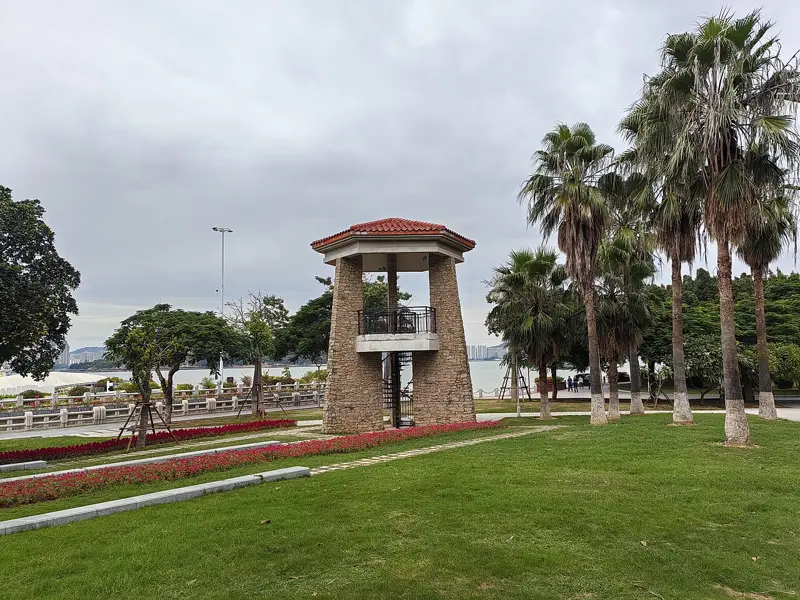
Gulangyu provides coastal paths, planted spaces and architectural details for island and urban landscape references. This photograph shows a seaside garden and pavilion. Confirm access, transport and the crew footprint for the selected setting, especially when equipment must be moved through public visitor areas.
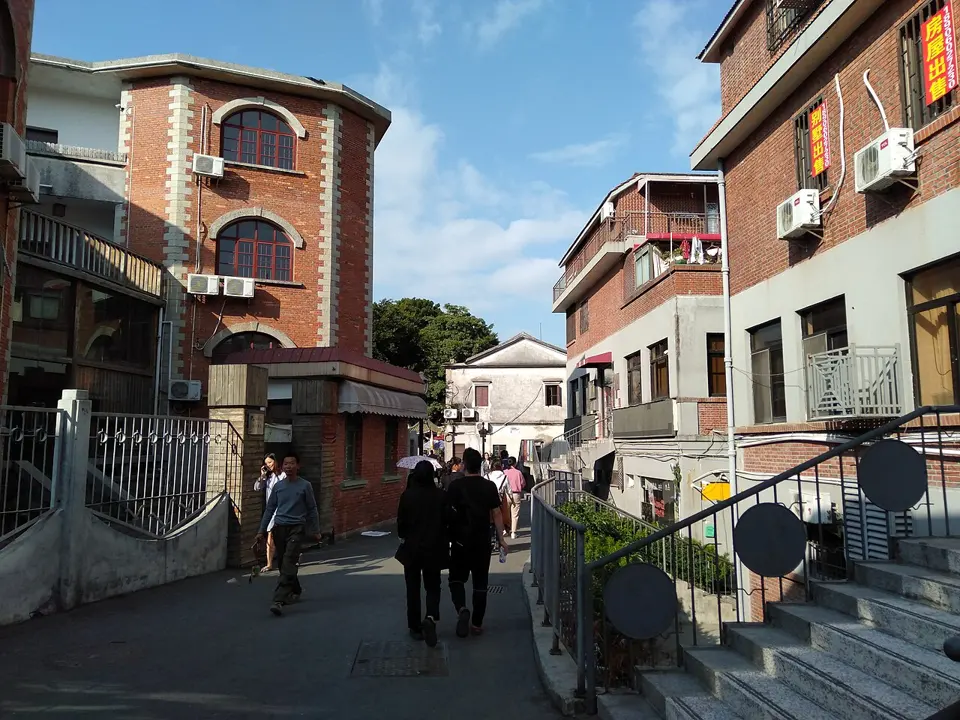
The island streets offer an alternative to coastal views. Check pedestrian traffic, walking distances and equipment transport when planning a sequence.
16. Detian Waterfall, Guangxi
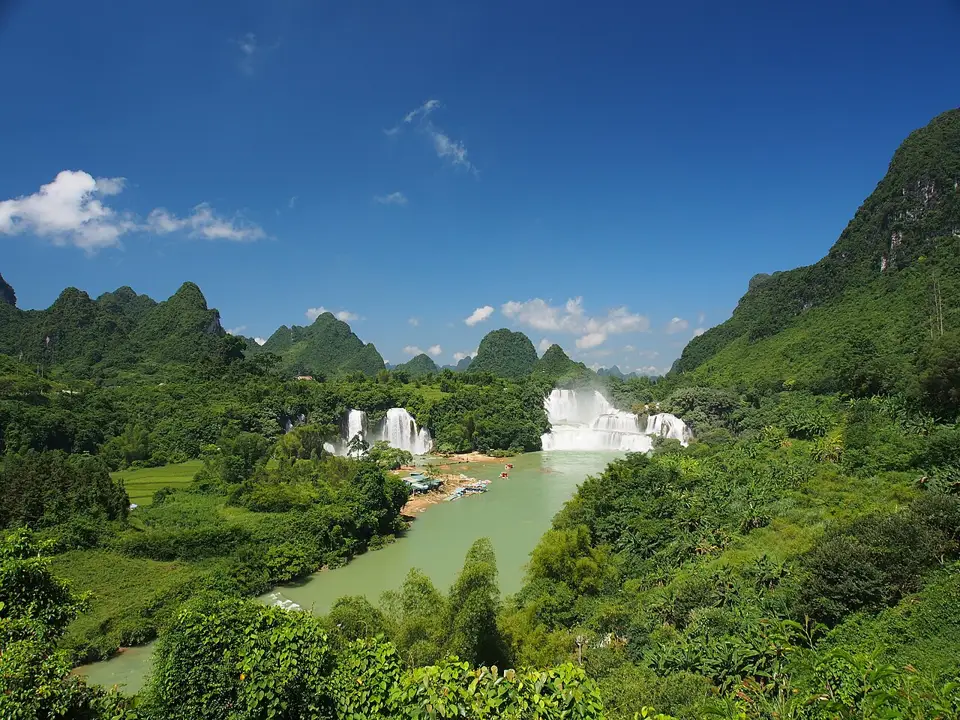
Detian combines tiered waterfalls, green hills and river views along the China–Vietnam border. The photograph shows the wider landscape around the falls. Select the intended bank and viewpoint during planning, and confirm the local access arrangements rather than assuming cross-border movement is part of the shoot.
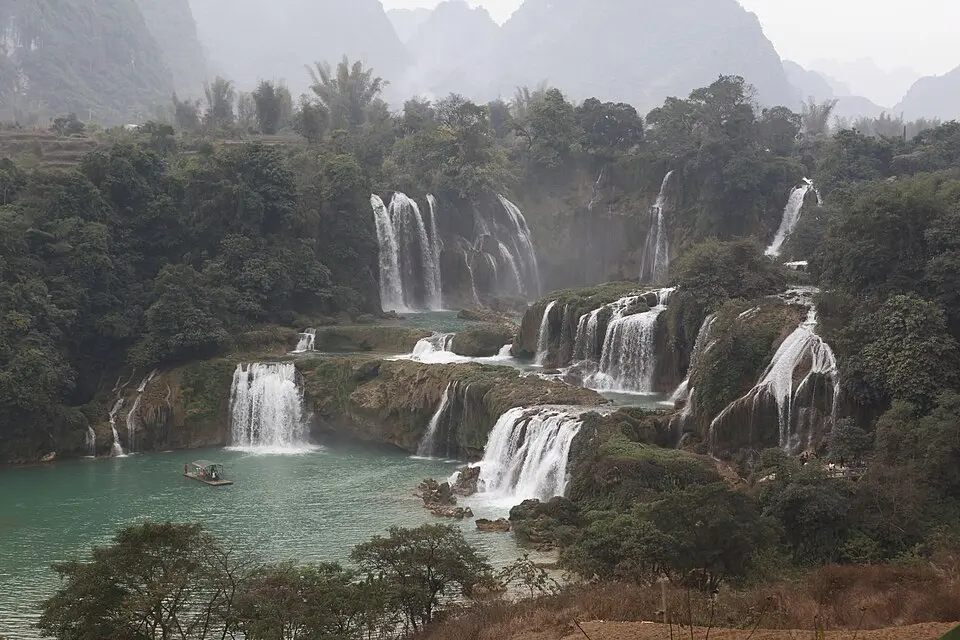
A second waterfall view helps show the layered water and surrounding vegetation. Scout the light direction and keep equipment protected from spray.
More Landscape Location Ideas
The original archive also includes the following places. Names are listed in English for research; locations in different jurisdictions need their own travel and production arrangements. A listing is not confirmation of filming access.
Mountains and Forests
- Mount Emei
- Mount Tai
- Huangshan
- Shilin Stone Forest
- Danxia Mountain
- Arshihaty Stone Forest
- Mount Siguniang
- Namcha Barwa
- Alishan
- Wulong
- Flaming Mountains
- Meili Snow Mountains
- Lulang Forest
Lakes and Rivers
- Qinghai Lake
- Ranwu Lake
- Sayram Lake
- Namtso
- Li River, Guilin
- Changbai Mountain Tianchi
- Tianshan Tianchi
- Yamdrok Lake
- Lugu Lake
- Jingpo Lake
Architecture and Cultural Landscapes
- Yuanyang Rice Terraces
- Taishun Covered Bridges
- Yongding Tulou
- Potala Palace
- Suzhou Gardens
- Taoping Qiang Village
- Shanxi Courtyard Houses
- Honghe Hani Villages
- Kaiping Diaolou
- Xijiang Miao Village
- Zhaoxing Dong Village
Fields and Wetlands
- Wuyuan
- Guangdong Million Sunflower Garden
- Luoping
- Menyuan Rapeseed Fields
- Zhalong Wetland
- Weining Caohai
Historic Towns
- Xitang
- Luzhi
- Wuzhen
- Fengqiao
- Tongli
- Jiaohe Ruins
- Zhenyuan
- Nanxun
- Lijiang
- Dali
- Zhouzhuang
- Fenghuang
Grasslands and Deserts
- Mulan Weichang
- Nalati Grassland
- Nagqu Grassland
- Tagong Grassland
- Hongyuan Grassland
- Taklamakan Desert
- Mingsha Sand Dunes
Islands and Coastal Settings
- Weizhou Island
- Yushan Island
- Penghu Islands
- Xisha Islands (Paracel Islands)
- Nanji Islands
- Yehliu
- Yalong Bay
- Nanding Island
- Chengshantou
- Gulangyu
Rock and Desert Landforms
- Zanda Earth Forest
- Yuanmou Earth Forest
- Dunhuang Yardang Geopark
- Wucaiwan
- Urho Ghost City
- Hami Ghost City
Villages and Regional Landscapes
- Shiwei
- Bamei Village
- Nyingchi
- Hemu Village
- Changxi Village
- Daocheng Yading
- Yubeng Village
- Wayaogu Village
- Hongcun
- Tuva Villages
- Baihaba
- Xiangcheng
- Danba
- Shiqu
- Xinlong
Other Location Ideas
- Jiuzhaigou
- Huanglong
- Dongchuan Luoxiagou
- Jilin Rime
- Xiapu Mudflats
- Detian Waterfall
- Ejin
- Victoria Harbour
Plan Your Landscape Photography Shoot
Send reference images, dates, proposed locations, crew size and intended outputs. A scout should check light direction, visitor activity, walking distances, equipment access and weather alternatives. Commercial photography, larger setups and aerial filming may need separate site enquiries and permissions.
Shoot In China can discuss location research, scouting, local crew, equipment and logistics according to the brief. Contact [email protected] to discuss the project. See our production work for examples of our projects.
Photo credits and licence links appear below each reference image. The image licences apply to those photographs; they do not imply photographer endorsement of Shoot In China.