



Ancient City Ruins in China: Filming Location Guide
Earthen walls, surviving street patterns and broad desert horizons give ancient city ruins in China a distinctive appearance. This guide focuses on Jiaohe, Gaochang and Suoyang along the Silk Roads, introducing the visible landscape and practical approach to each site. These are archaeological settings, with surviving remains rather than reconstructed old-town streets.
Explore the 16-location landscape overview for more scenery across China.
1. Jiaohe Ruins, Turpan, Xinjiang
Jiaohe presents an earthen city landscape of low walls, narrow corridors and larger surviving masses above a dry plateau. The muted ground colour makes shadow and relief especially visible, revealing the outlines of spaces that once formed streets and buildings.
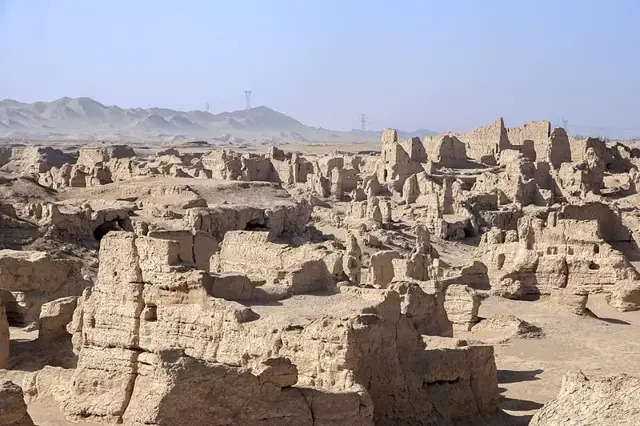

The interest is in the surviving urban form, not a reconstructed historic town. Wider views show the density of the remains; closer authorised viewpoints reveal wall texture and changes in ground level. Jiaohe is a component of the UNESCO-listed Silk Roads network.
Getting There. Use Turpan as the regional base, checking rail connections to Turpan North or a suitable flight and road transfer. Arrange a car to the Jiaohe visitor entrance, or confirm the current tourist transport service before relying on it.
Parking. Use the visitor parking and follow the designated onward route. Confirm the current transfer and walking arrangement at the entrance. The archaeological remains are not vehicle access routes, and the walking section has limited natural shade.
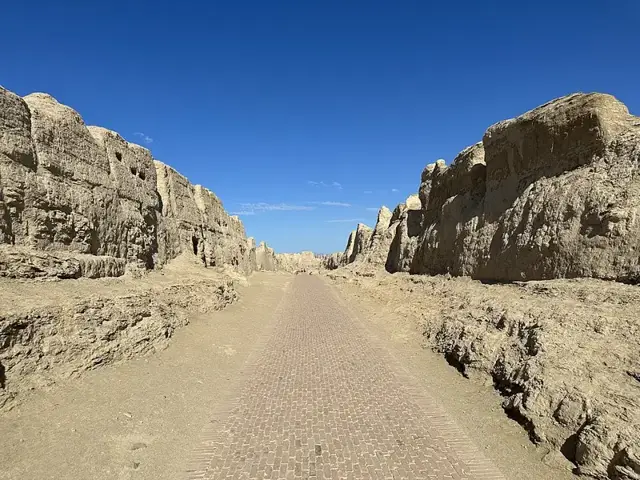

Season. Spring and autumn are useful starting periods for less intense heat than midsummer. Lower sun can make the relief easier to see, subject to opening hours. Wind and airborne dust can affect visibility on otherwise dry days.
Food and Dining. Turpan is the practical meal base before or after the visit. Carry drinking water and plan a meal break outside the exposed archaeological route. Do not depend on food being available at the selected viewpoint.

2. Gaochang Ruins, Turpan, Xinjiang
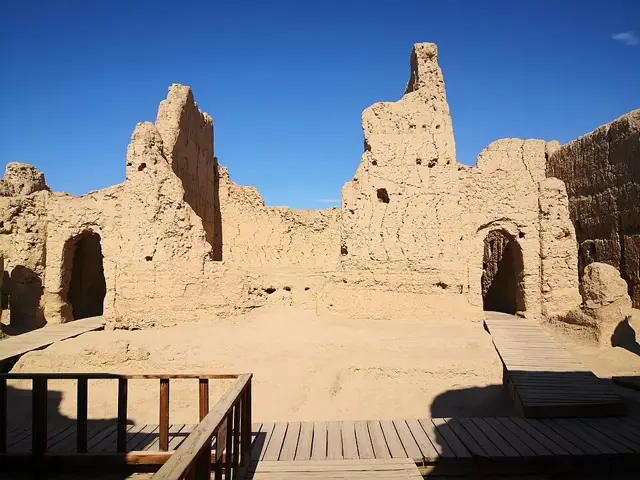
Gaochang has a broad, open character, with earthen walls and substantial surviving structures set against the dry Turpan landscape. The gaps between the remains are part of the view, allowing individual walls and platforms to stand out against a large sky.
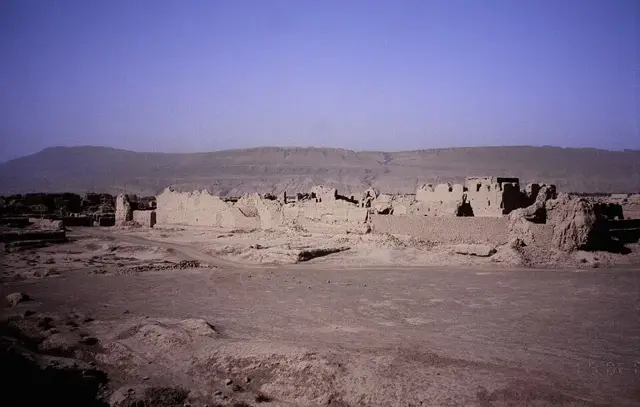

The city remains include different building areas rather than one continuous street scene. Closer views show eroded surfaces and enclosed spaces; wider views explain how separated structures sit within the former city. Gaochang and Jiaohe are distinct archaeological sites.
Getting There. Approach by road from Turpan to the Gaochang visitor entrance near the Sanbu area. Arrange the return journey in advance. A visit to Jiaohe on the other side of the region does not provide access to this site.
Parking. Confirm current visitor parking and internal transport at the entrance. Leave the vehicle outside the archaeological route and follow authorised paths. The distance across the open site should be considered when choosing how much to see.
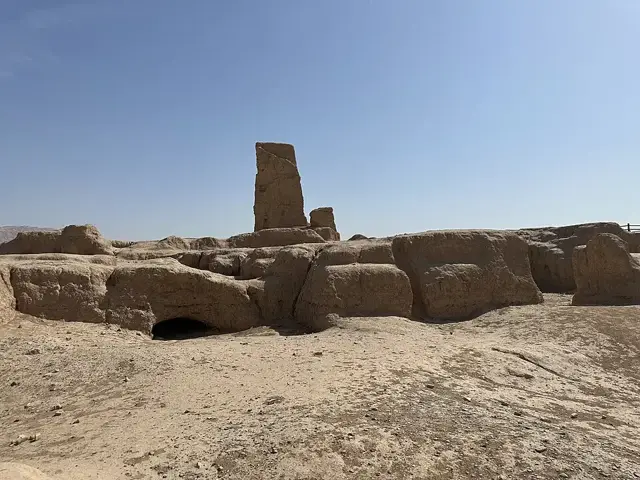

Season. Spring and autumn are useful starting seasons for more comfortable walking. Strong summer heat and exposed ground can make a midday visit demanding. Low-angle light emphasises wall texture, within the permitted visiting period.
Food and Dining. Arrange the main meal in Turpan or at a confirmed stop on the route. Carry water for the exposed walk and check nearby services before depending on a restaurant beside the entrance.

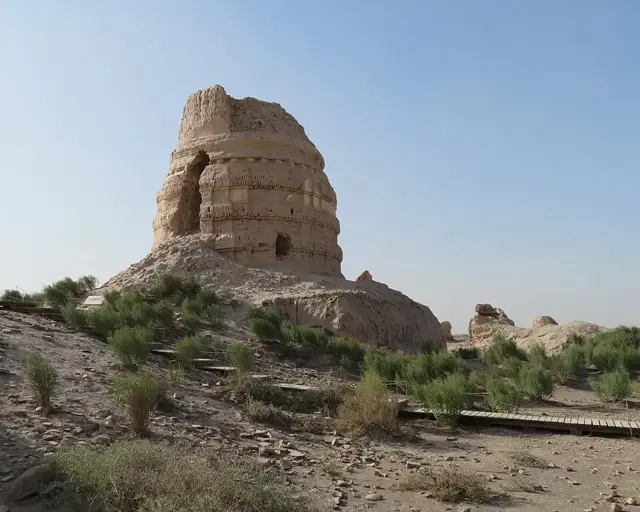
3. Suoyang City Ruins, Guazhou, Gansu
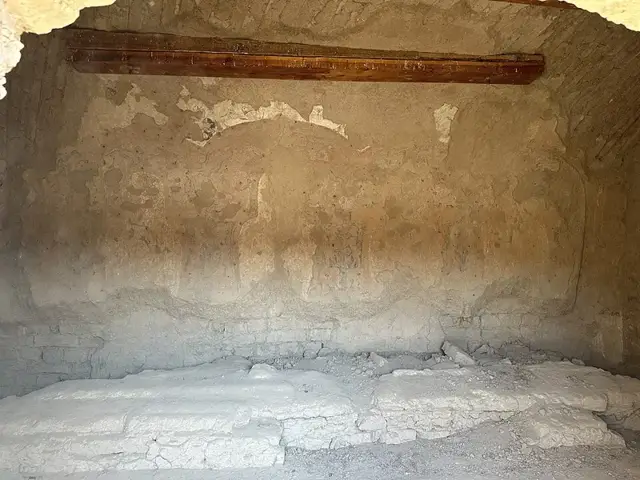
Suoyang is an open desert-edge city landscape where surviving earthen walls and raised remains sit against a broad horizon. Sparse vegetation and large areas of bare ground make the scale and spacing of the structures central to the view.
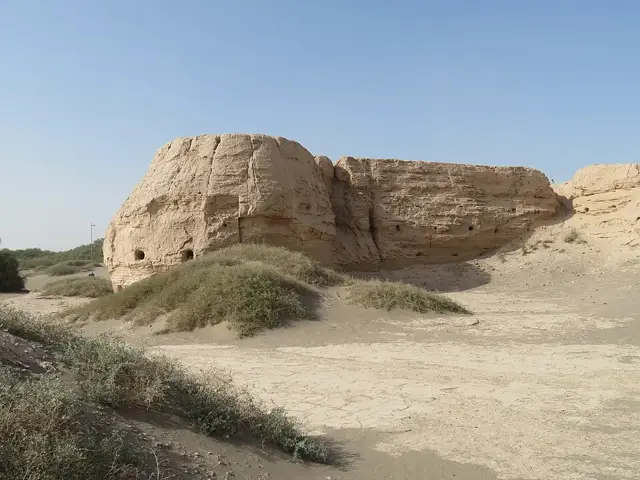

The wider heritage setting includes the relationship between the former city and its water-management landscape. From the permitted visitor route, compare the outline of wall sections with closer surface detail. Suoyang belongs to the UNESCO-listed Silk Roads network.
Getting There. Use Guazhou as the local road base and arrange a car to the named Suoyang City visitor entrance. If arriving through Dunhuang or a regional railway station, include the onward road transfer rather than assuming the ruins are within walking distance of town.
Parking. Confirm the designated parking and onward visitor route with the site before departure. Parking capacity and internal transport are not assumed in this guide. The ruins and surrounding archaeological ground are not informal driving or stopping areas.
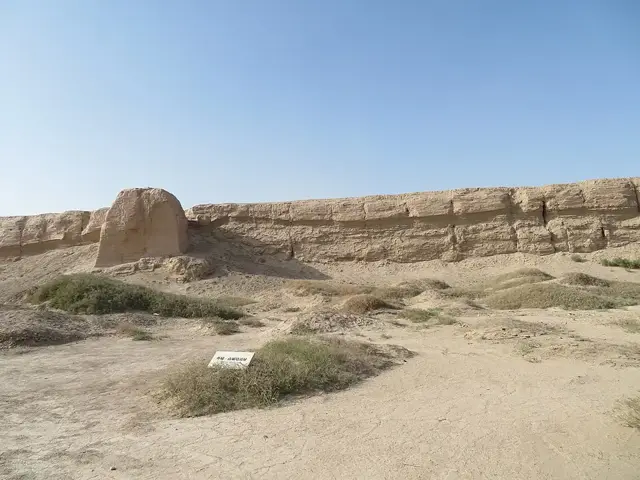

Season. Spring and autumn are useful starting periods for milder temperatures. The exposed setting can be windy, and dust can soften the horizon. Check local weather before choosing a day for a clear, distant view.
Food and Dining. Guazhou is a practical place to arrange meals and supplies. Carry water and a packed option for the site visit, and confirm any nearer food service before relying on it. Allow for the return road journey.

More Location Guides
- Desert and Rock Filming Locations in China
- Gardens and Heritage Architecture for Filming in China
- Traditional Village Filming Locations in China
- Highland Valley Filming Locations in China
- 16 Scenic Locations in China
These credited photographs are location references, not examples of Shoot In China projects. Seasonal descriptions are general guides. Confirm current opening, access and transport arrangements for the intended travel dates.