



Highland Valley Filming Locations in China
Wooded slopes, open valley floors and villages beneath high ridges shape these highland valley filming locations in China. Yading, Yubeng and Xiangcheng offer contrasting scenery across Sichuan and Yunnan. This guide introduces the relationship between the landforms, vegetation and settlements, rather than presenting a list of summit walks.
Explore the 16-location landscape overview for more scenery across China.
1. Yading Valleys, Sichuan
Yading combines wooded valley floors, open meadow and high mountain backdrops. A view along the valley shows how water, trees and slopes fit together, offering a different perspective from a photograph centred only on a summit.
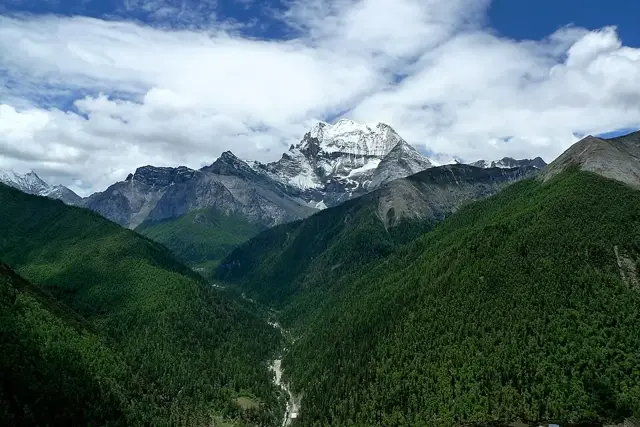

The lower valley, Yading village and higher lake routes are distinct settings. This introduction concentrates on the landscape as a whole. Photographs from different elevations do not imply that every view is available on one short walk.
Getting There. Compare current flights to Daocheng Yading Airport with the road itinerary, then continue towards Shangri-La town in Daocheng County and the visitor centre. This town is not Shangri-La city in Yunnan. Confirm the internal route for the selected valley.
Parking. Confirm current visitor-centre parking, vehicle reservations and internal transfers with the operator. Recent access arrangements have changed; do not assume either unrestricted private-car entry or that every older shuttle rule still applies.
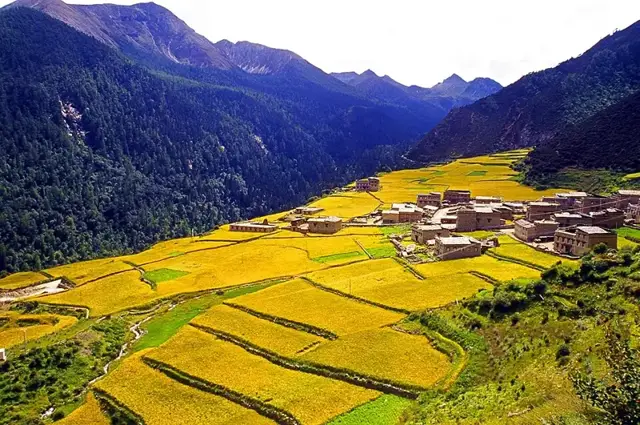

Season. Late spring and summer offer greener valley floors, with more cloud and rain possible. Autumn can bring gold and red vegetation against darker conifers. Snow and weather affect the higher routes differently from the lower valley.
Food and Dining. Arrange meals at the overnight base in the developed town or a confirmed village accommodation. Carry water and a simple packed option for the selected walking route; higher viewpoints should not depend on an assumed restaurant stop.
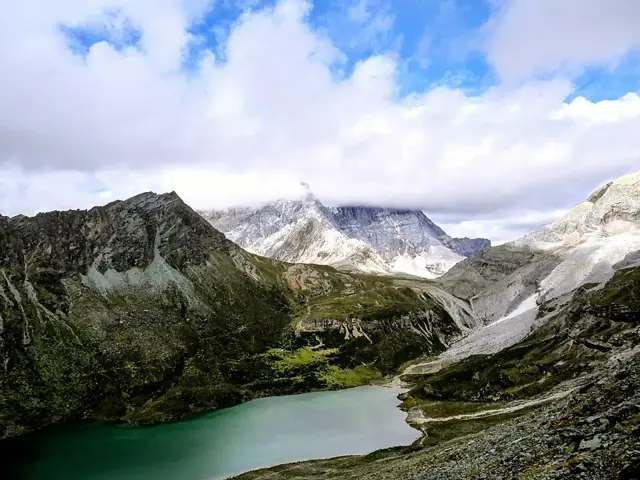

2. Yubeng Valley, Yunnan
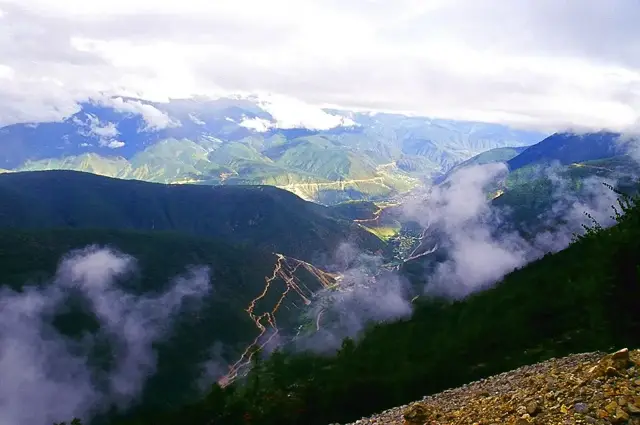
Yubeng is a mountain settlement surrounded by wooded slopes and high ridges. Houses and open ground provide a sense of scale beneath the mountain walls, while paths lead towards more enclosed forest scenery beyond the village.
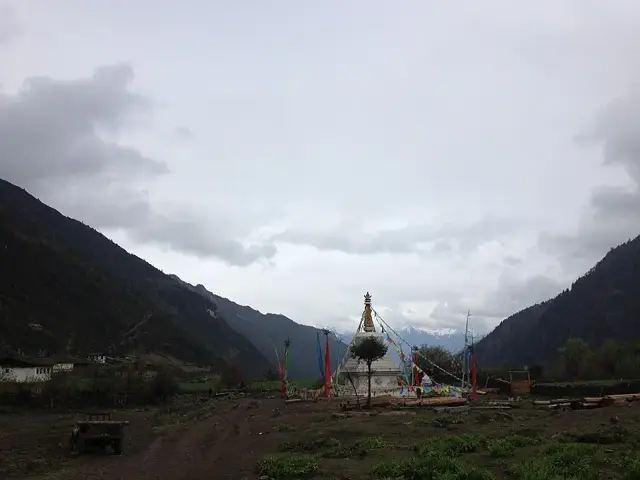

Upper and Lower Yubeng have different positions within the valley. A photograph from one should not be treated as the view from every guesthouse. The village landscape, forest paths and distant mountain backdrop can be appreciated without presenting every walking route as a single visit.
Getting There. Approach through Deqin and confirm the current access point and authorised connection to Yubeng. September 2026 reporting describes a trial shuttle from Xidang. Ask the operator about present arrangements before booking the final transfer.
Parking. Leave a private vehicle at the designated outside parking and confirm the onward connection. The reported shuttle arrangement does not allow ordinary self-driving into the village. Parking availability and the final walk should be checked with the booked accommodation.
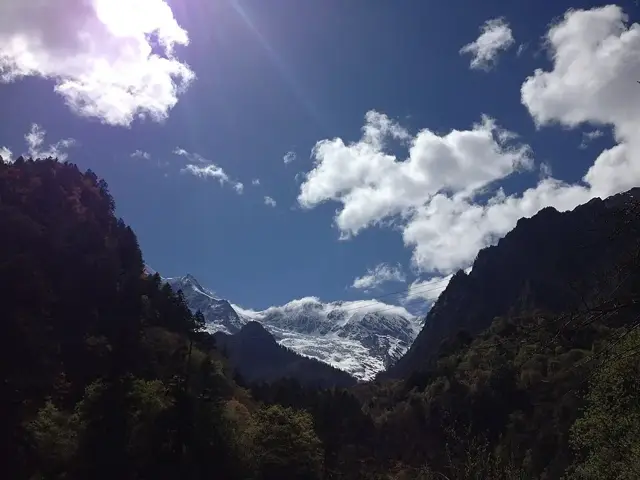

Season. Spring and early summer can bring fresh growth and flowering vegetation along some approaches. Autumn can offer clearer views and changing woodland colour. Mountain cloud can hide the ridges, and rain or snow may alter access.
Food and Dining. Book meals with the actual guesthouse in Upper or Lower Yubeng. Agree breakfast times and a packed lunch if walking beyond the settlement. Returning to a different part of the valley for a meal can add substantial walking.

3. Xiangcheng Valley, Sichuan
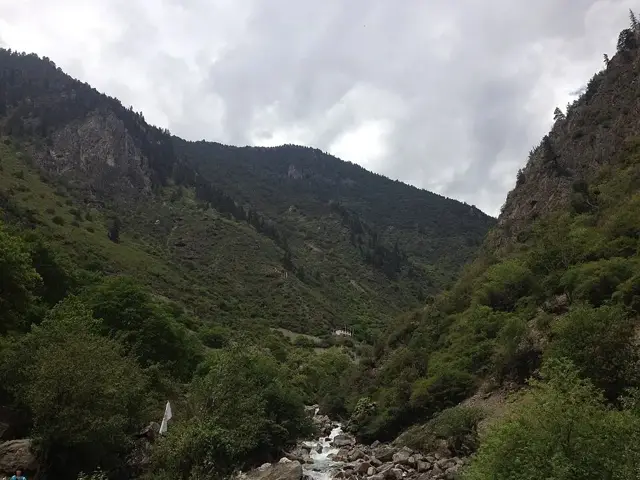
White houses stand out against the fields and mountain slopes of Xiangcheng. Their block-like forms make the settlement pattern easy to read from a distance, with the valley providing a long backdrop of cultivated ground and darker ridges.
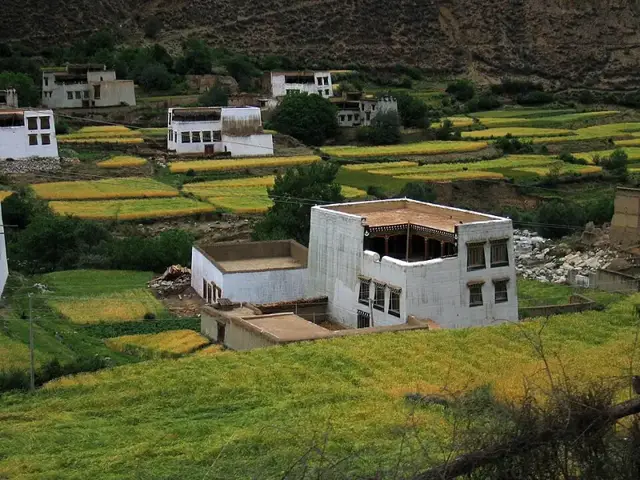

The white-house landscape extends through several settlements. Qingde is one named area within the county, but the reference photographs here show the wider Xiangcheng setting. The appeal lies in the relationship between pale walls, field patterns and the shape of the valley.
Getting There. Choose an arrival route through the Daocheng or Yunnan region and arrange the onward mountain-road transfer to Xiangcheng. Confirm the specific village and accommodation rather than using the county name as the final destination.
Parking. Ask the accommodation or local visitor contact to confirm parking at the selected stop. Village roads, field entrances and household courtyards are different spaces. Use an established stopping point and continue on foot where necessary.
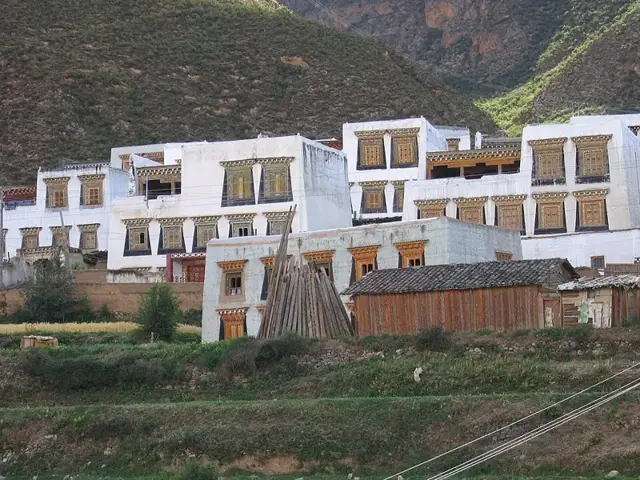

Season. Spring and summer give a greener contrast around the white houses. Autumn can bring more golden field and hillside colours. Cultivation changes the foreground, while cloud and light alter how clearly the distant mountain layers appear.
Food and Dining. Use Xiangcheng town or the booked village accommodation for meals. Confirm restaurant hours before an early departure and carry water between dispersed stops. Specific menus should be agreed with the selected supplier.

More Location Guides
- Best Mountain Locations in China for Filming and Photography
- Forest and Bamboo Filming Locations in China
- Traditional Village Filming Locations in China
- Ancient City Ruins in China: Filming Location Guide
- 16 Scenic Locations in China
These credited photographs are location references, not examples of Shoot In China projects. Seasonal descriptions are general guides. Confirm current opening, access and transport arrangements for the intended travel dates.