



Best Mountain Locations in China for Filming and Photography
Looking for mountain filming locations in China? Start with the image the production needs: granite peaks, forest paths, snow mountains or red sandstone. These six locations offer different references for commercials, documentary filming and still photography. The shortlist is editorial rather than a ranking of every mountain in China.
For a car commercial, separate the mountain backdrop from the road that must accommodate the vehicle, camera position and traffic arrangements. Summit paths and sightseeing roads are not automatically available for automotive filming. A small outdoor lifestyle shoot may use a much lighter access plan.
See the 16-location landscape overview for more natural and cultural settings.
The photographs are credited location references, not examples of Shoot In China projects. Seasonal windows below are starting points for the desired look; current transport, parking and commercial access must be confirmed for the production dates.
1. Huangshan, Anhui
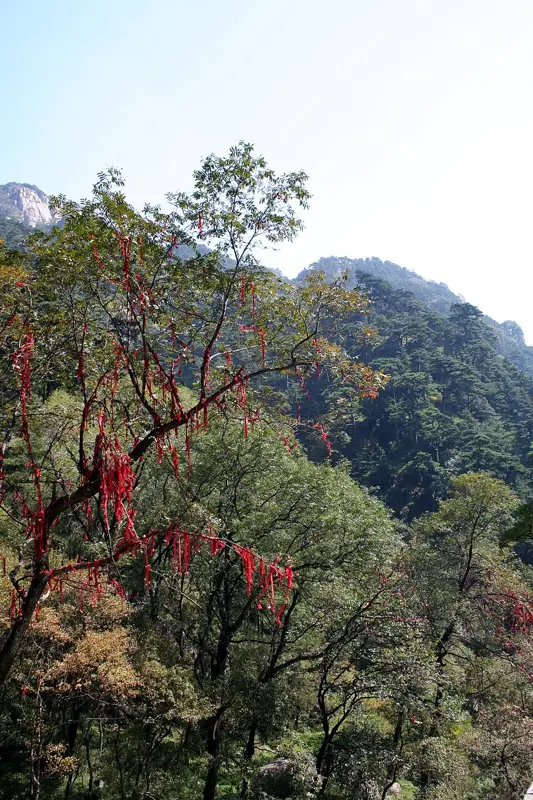
Granite peaks, pine silhouettes and cloud layers make Huangshan a useful reference for mountain documentary filming, outdoor clothing photography and landscape establishing shots. A summit viewpoint is a walking location, rather than a place to bring a picture vehicle.
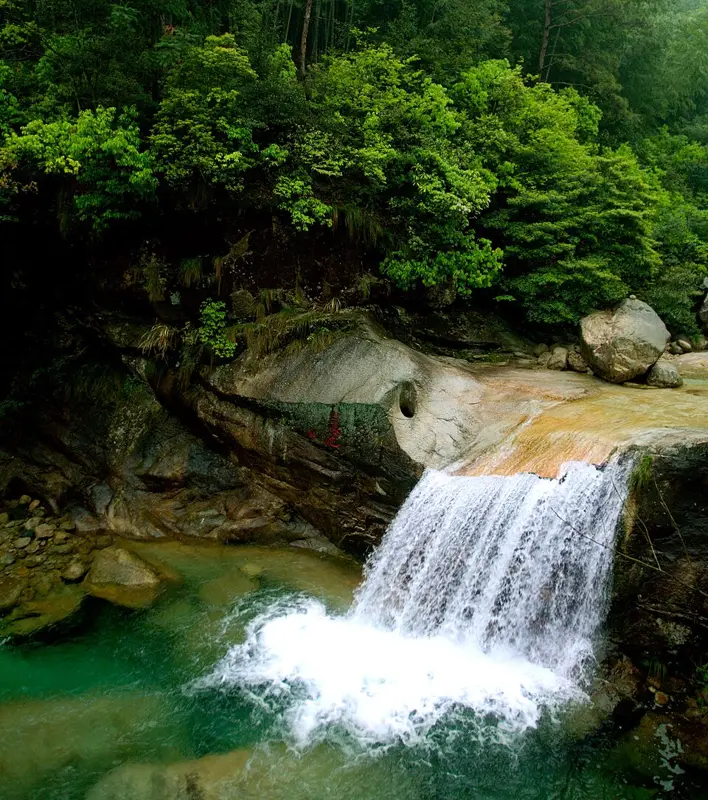

Getting There. Arrive at Huangshan North railway station or Huangshan airport, then travel by road to the selected mountain entrance. Tangkou serves the southern approach.
Parking and Equipment Access. Use the entrance parking and the official transfer system. Cableways reduce part of the climb, but stairs remain between many viewpoints; a camera van cannot follow the crew to the summit.
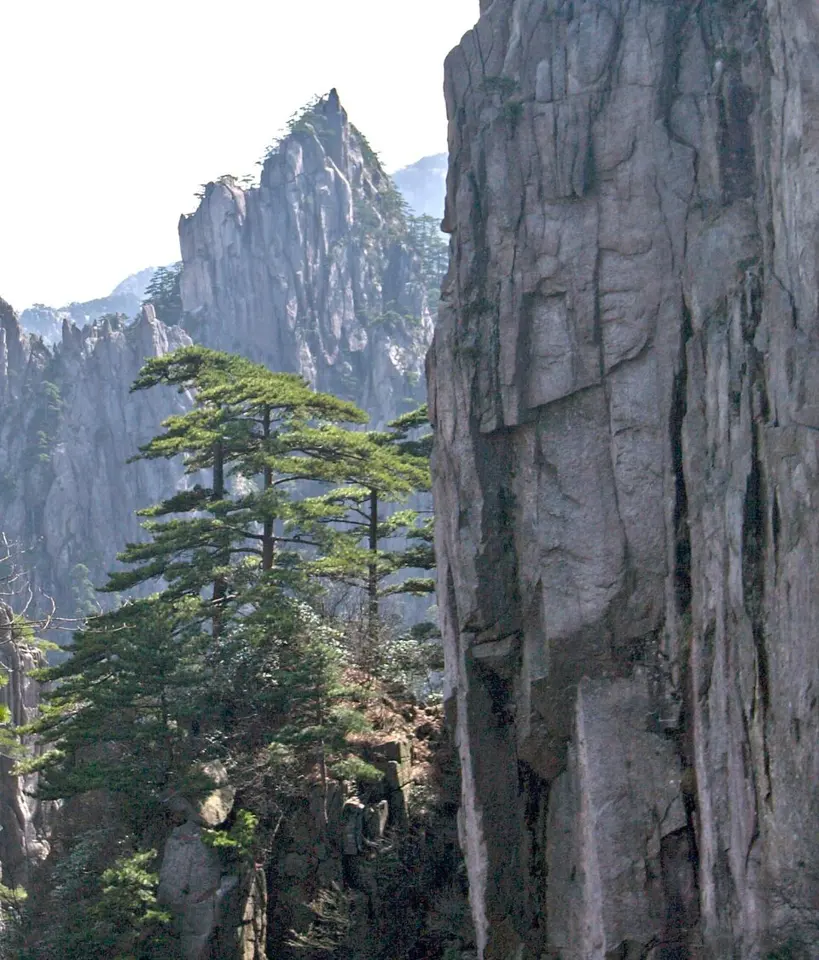

Season and Visual Direction. April–May for fresh growth and changing mist; October–November for autumn tones. Winter offers snow and rime when conditions allow, with more demanding access. These are visual planning windows, not a promise of cloud seas.
Food and Crew Catering. Plan meals and water in Tangkou before ascending. For summit work, confirm hotel meal times and packed catering rather than relying on a restaurant beside the chosen viewpoint.
Commercial Filming. Keep the footprint small for mountain commercial filming. Establish a porter and battery plan, and obtain site agreement for lighting, talent or exclusive space. Automotive work belongs on separately approved roads, not summit paths.
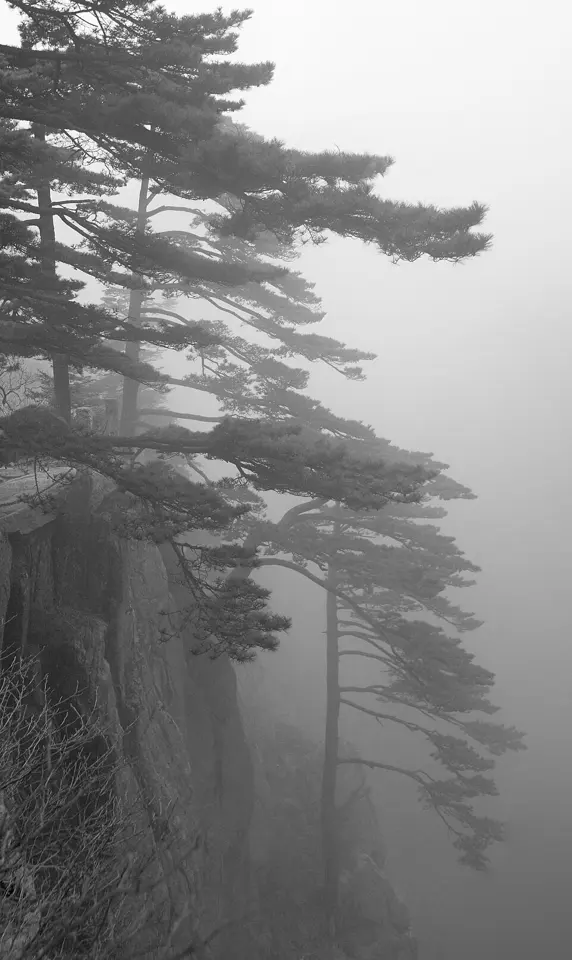

Planning references: transport or destination information · site and regional information. Check current notices before travel.
2. Mount Emei, Sichuan
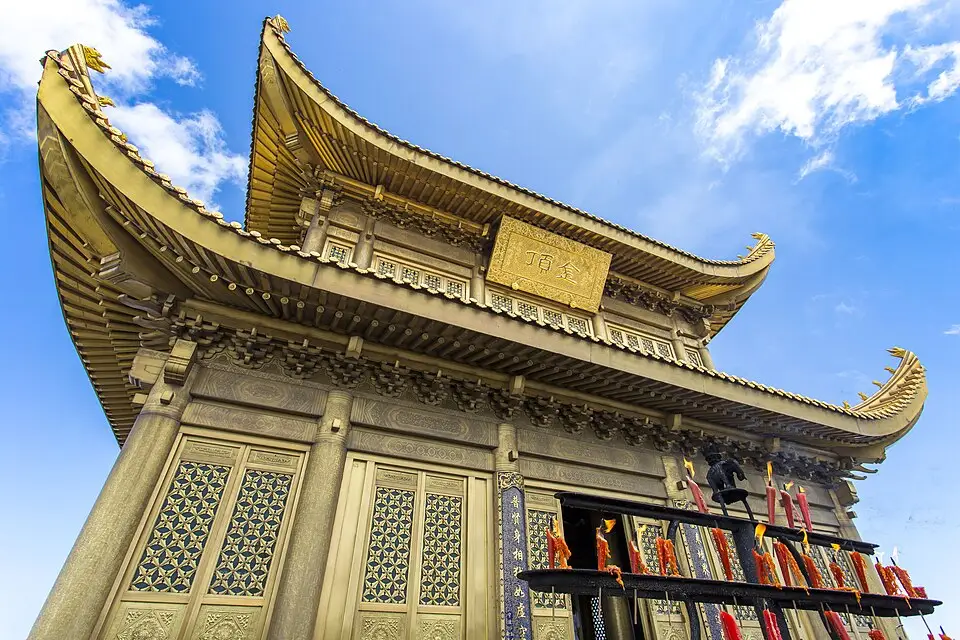
Mount Emei combines wooded slopes, stone paths and the Golden Summit. It can support a location brief for a mountain documentary, forest lifestyle photography or a sequence contrasting natural scenery with religious architecture. Temple activity should be treated as a separate permission discussion.
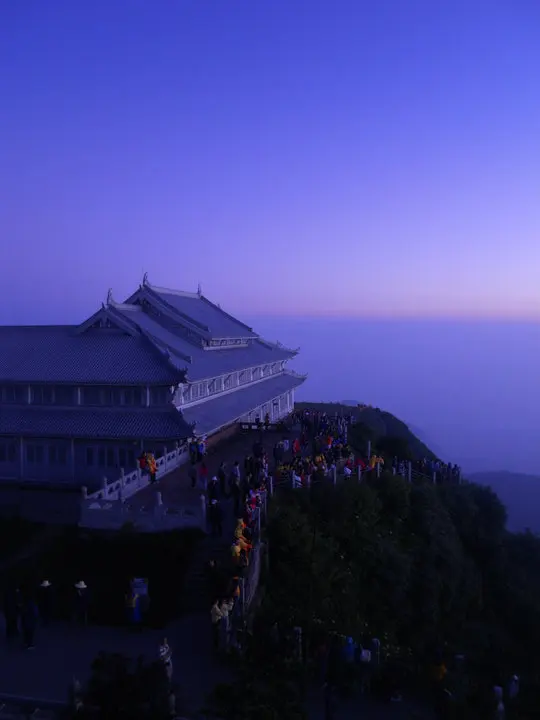

Getting There. Use Chengdu as the main arrival city, then connect to Emeishan railway station and the scenic-area transport network. Confirm the correct visitor centre for the planned route.
Parking and Equipment Access. Do not treat the existence of a car park at Leidongping as permission to drive a production van there. The official planning document identifies it as closed to ordinary social vehicles. Expect bus, walking and cableway stages for summit access.
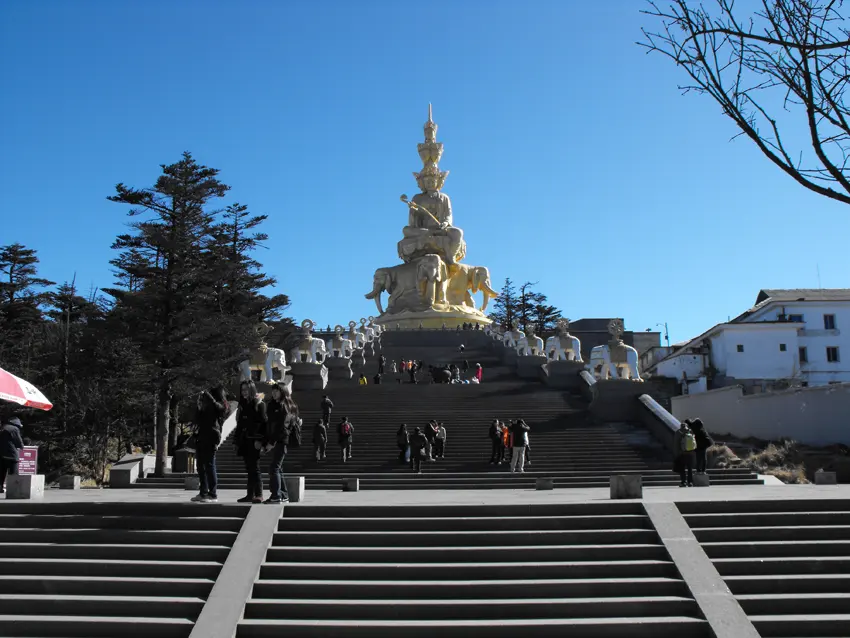

Season and Visual Direction. April–May is a starting window for green forest and spring vegetation; October–November for autumn atmosphere. Summit cloud, rain and snow can change the view and the working day at any time.
Food and Crew Catering. Pre-arrange crew meals at the base or with the selected mountain hotel. Check early breakfast availability if sunrise is central to the brief, and carry water and simple backup food.
Commercial Filming. Discuss summit and temple filming separately. For branded scenes, confirm the proposed performers, signs, lighting and working area rather than assuming a visitor ticket covers the setup.

Planning references: transport or destination information · site and regional information. Check current notices before travel.
3. Mount Tai, Shandong
Mount Tai offers mountain steps, ridges, inscriptions and summit architecture. The visual direction is strongest for heritage documentary locations, an ascent sequence or outdoor lifestyle filming, rather than an isolated alpine wilderness. Crowds and religious use are part of the scouting brief.
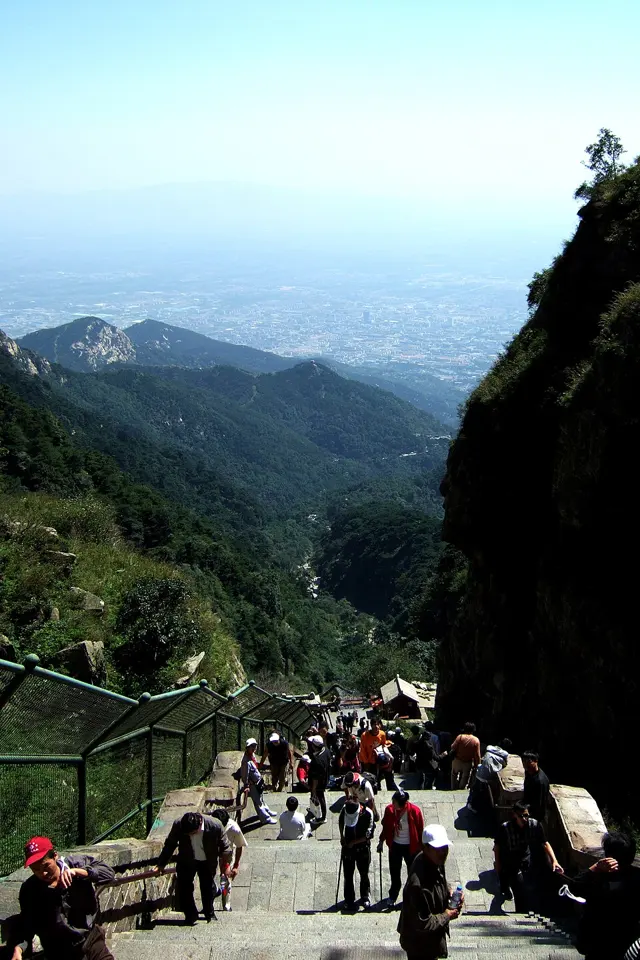

Getting There. Travel to Tai’an by rail, then transfer to the chosen entrance. Tianwaicun and Taohuayu are distinct approaches; decide the route before booking crew transport.
Parking and Equipment Access. Official visitor-transfer centres provide a starting point for parking. From there, mountain buses, cableways and walking replace direct van access. Reserve extra time for equipment changes between transport stages.
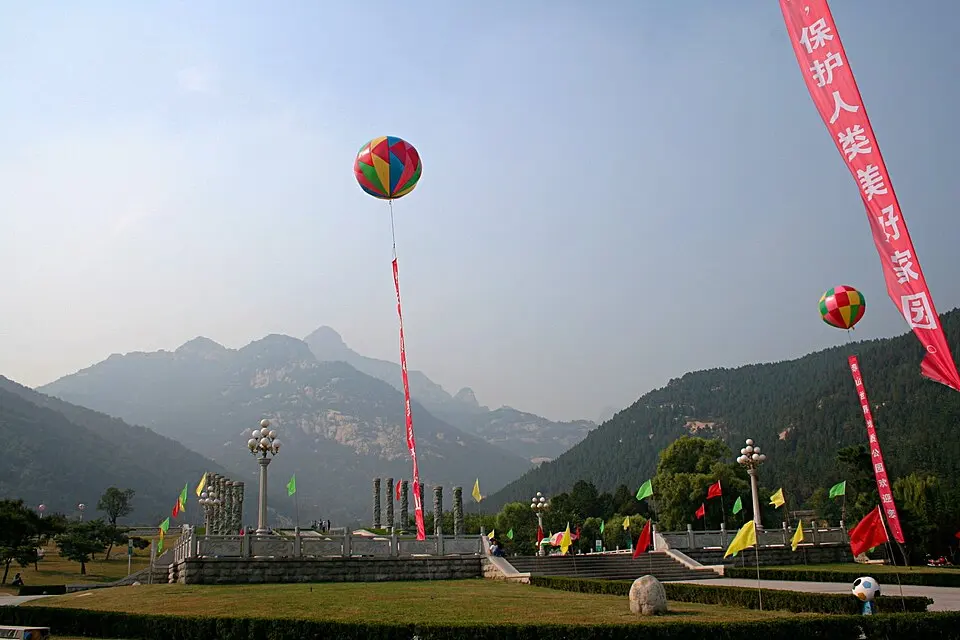

Season and Visual Direction. April–May or September–October are useful starting windows for a walking-based shoot. Choose spring foliage or autumn colour according to the visual brief; summit sunrise remains dependent on cloud and visibility.
Food and Crew Catering. Tai’an is the practical place to organise crew meals and supplies. If staying on the mountain, confirm meal times and the final return transport before scheduling a late shoot.
Commercial Filming. A summit sequence needs a compact equipment plan. Inscription close-ups, temple interiors and managed visitor areas require their own checks; do not promise an empty sunrise platform or road control.

Planning references: transport or destination information · site and regional information. Check current notices before travel.
4. Mount Siguniang, Sichuan
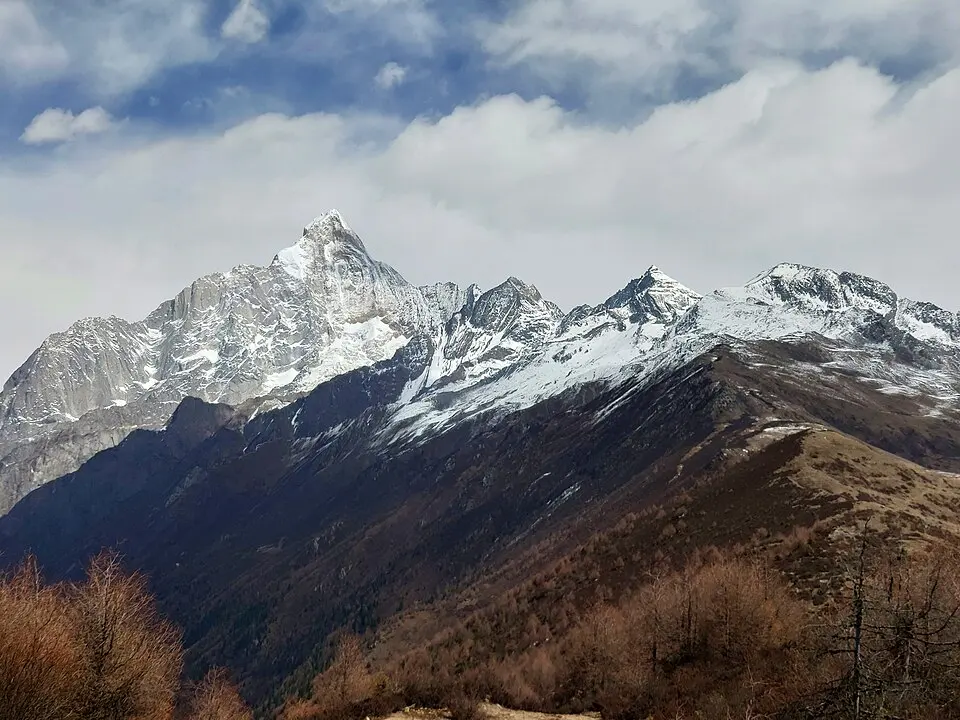
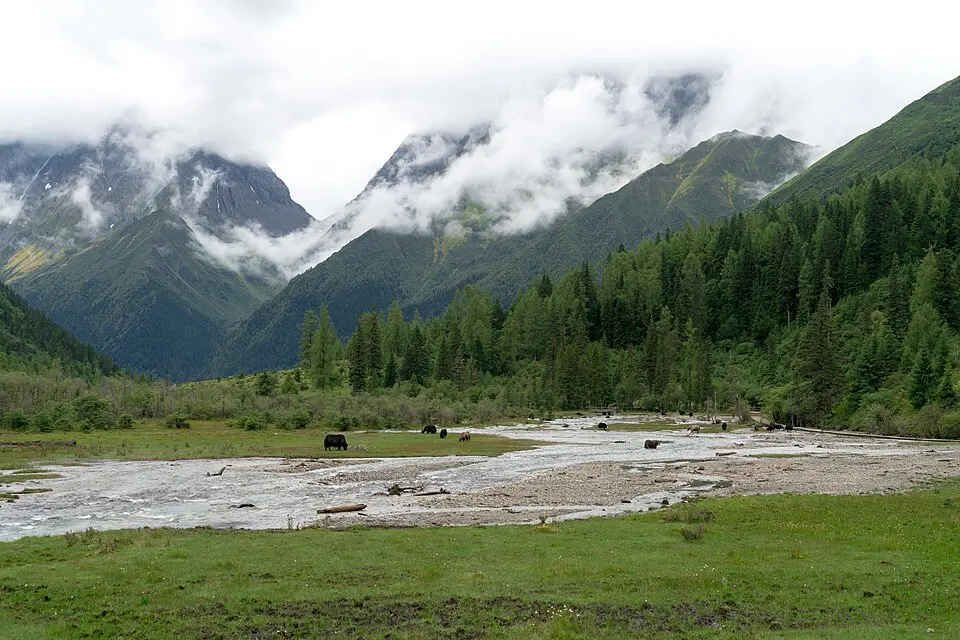
Snow peaks, conifer forest and valley meadows give Mount Siguniang several looks within one region. Shuangqiao Valley is a useful starting point for mountain landscape photography and outdoor lifestyle filming; climbing the peaks is a separate undertaking from filming valley scenery.

Getting There. Plan road transport from Chengdu to Siguniangshan town. Confirm the road condition and allow a flexible travel day rather than treating this as a quick city transfer.
Parking and Equipment Access. Shuangqiao Valley uses sightseeing vehicles. Park outside the controlled visitor route and assess the walk from each authorised stop to the camera position. Do not assume a production vehicle can enter the valley.
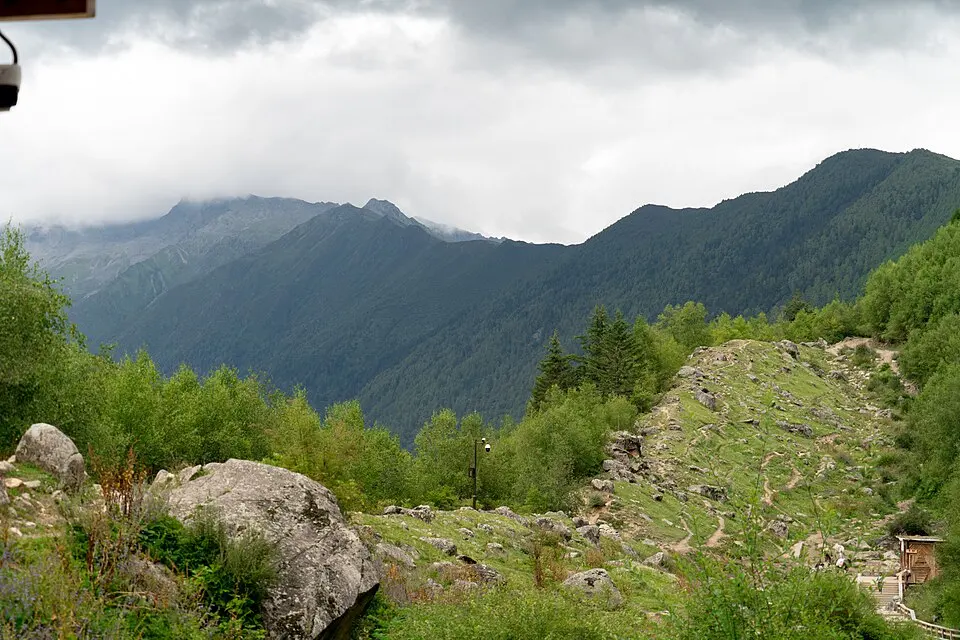

Season and Visual Direction. June–August for green meadows and flowering vegetation; October for coloured woodland against snow peaks. The desired contrast determines the season, and cloud can obscure the mountains.
Food and Crew Catering. Arrange meals and accommodation in the town. Carry a packed lunch for a full valley day, with drinking water and a plan for collecting all catering waste.
Commercial Filming. This is a high-altitude location: design a manageable day and agree access with the operator. A grassland lifestyle or dairy-commercial concept can use the landscape as a visual reference; livestock, farming activity and access are not included by default.

Planning references: transport or destination information · site and regional information. Check current notices before travel.
5. Meili Snow Mountains, Yunnan
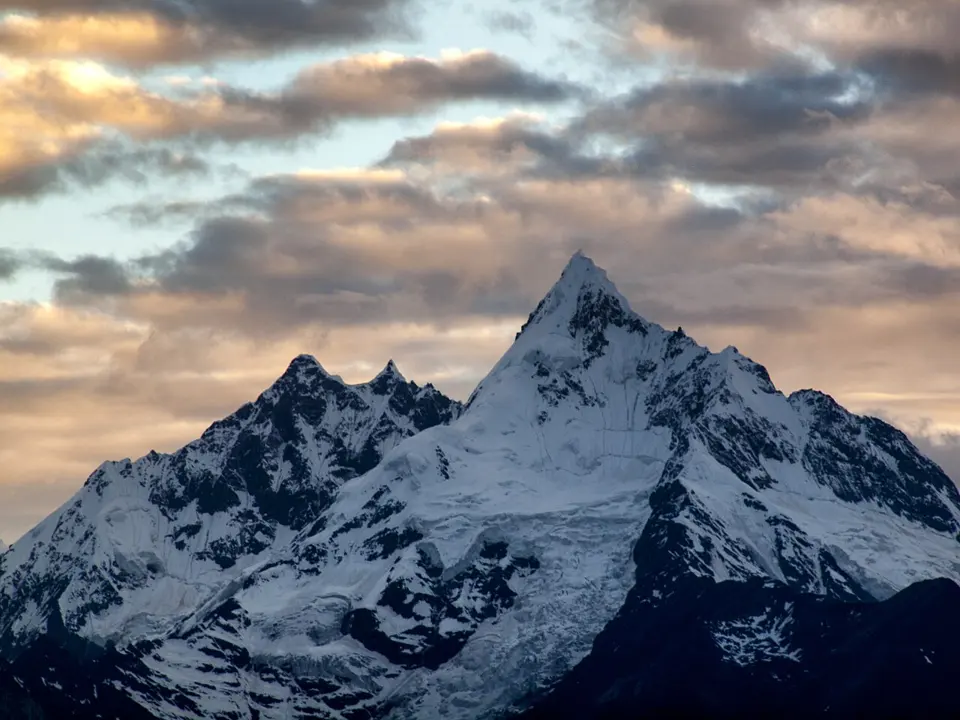
The Meili range provides snow-peak horizons and deep valley backgrounds. A viewpoint near Feilaisi can form the basis of a snow mountain filming location brief without implying that the crew will climb the range. Dawn light is a visual objective, not a guaranteed event.
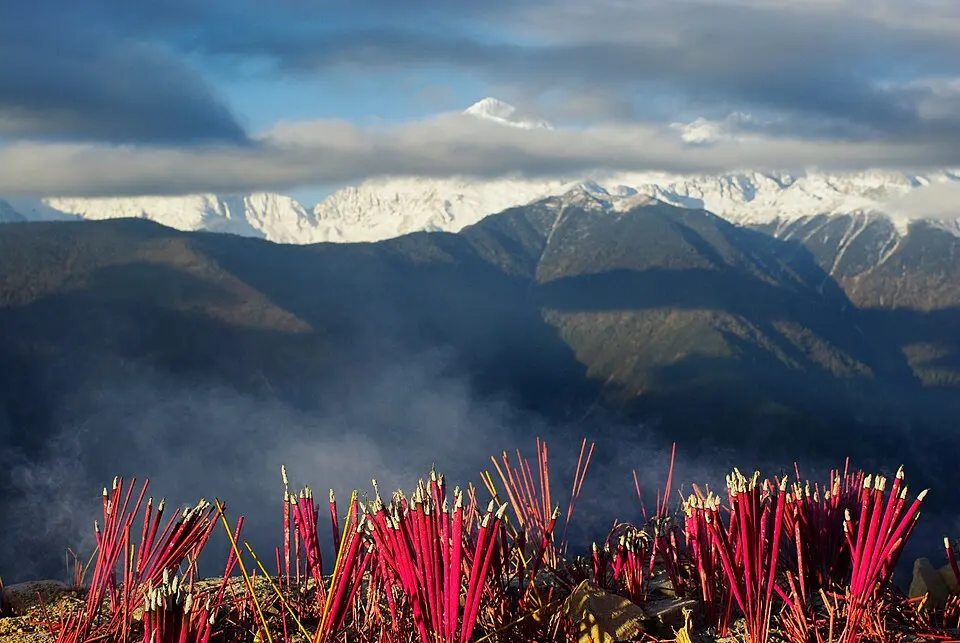

Getting There. Use Shangri-La as the regional arrival hub and continue by road towards Deqin and Feilaisi. The prefectural government lists a tourist connection to Feilaisi; confirm current service and equipment capacity before relying on it.
Parking and Equipment Access. Ask the chosen viewpoint or accommodation to confirm van parking and the distance to the tripod position. Do not stop on bends or use the road shoulder as a production base.
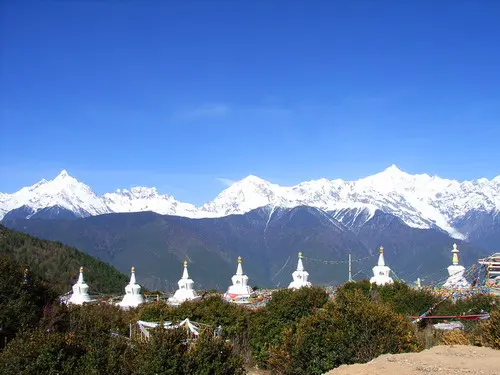

Season and Visual Direction. October–April is a starting window for snow-peak visibility and dawn-light planning. Allow several opportunities rather than building the schedule around one sunrise; cold and cloud still affect the shoot.
Food and Crew Catering. Arrange meals and early hot drinks with the overnight base near the viewpoint. Carry supplies for the road stage and confirm heating, power and charging before choosing accommodation for a crew.
Commercial Filming. For mountain commercial photography, scout a lawful viewpoint and keep the access plan distinct from trekking. Do not promise vehicle tracking shots on public mountain roads or access to sacred areas.

Planning references: transport or destination information · site and regional information. Check current notices before travel.
6. Danxia Mountain, Guangdong
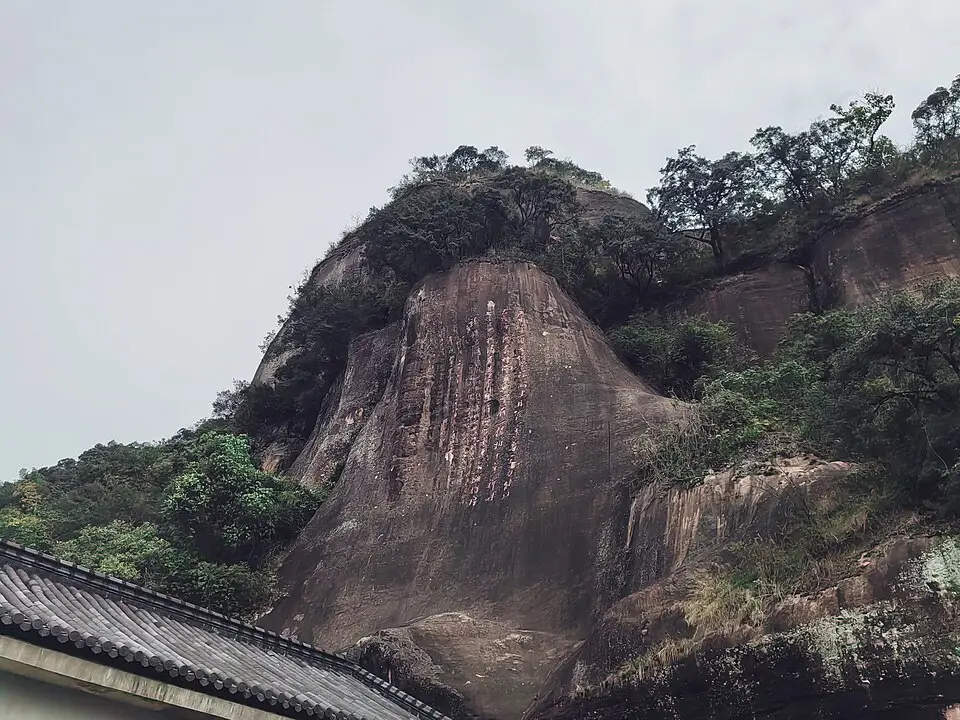
Danxia Mountain offers red sandstone, wooded slopes and layered rock forms. It is a different visual option from a snow mountain: useful for geological documentary filming, rock-texture photography and outdoor brand imagery with a warmer colour palette.
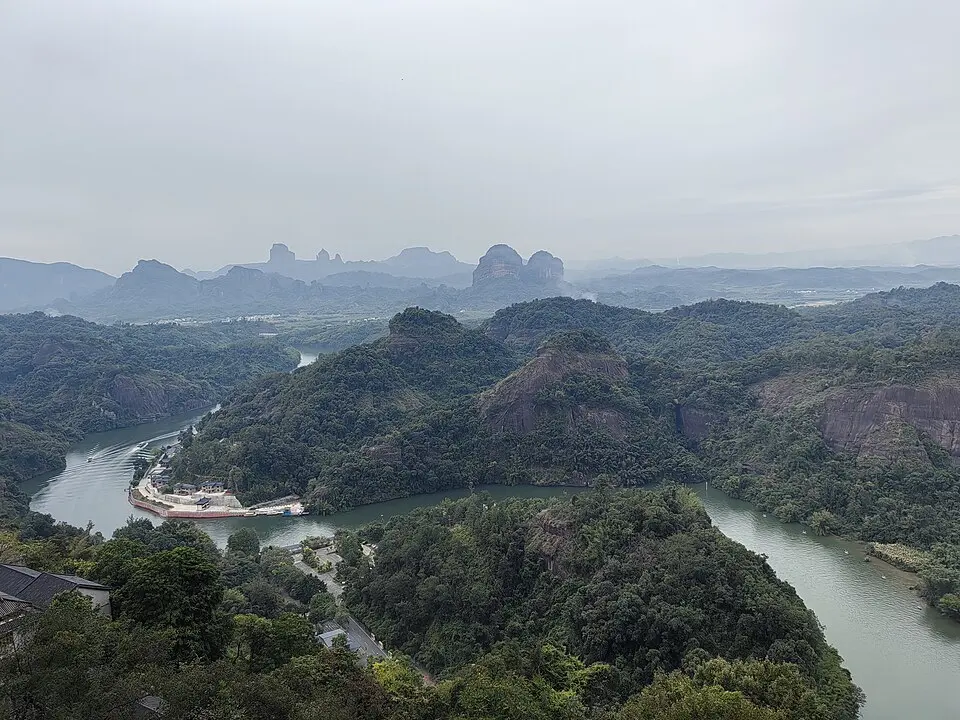

Getting There. Reach Shaoguan by high-speed rail, then continue to the scenic area by road. The official transport guide also lists connections from Shaoguan East station.
Parking and Equipment Access. The scenic area lists multiple car parks and internal buses. A parking space does not establish loading access at a viewpoint; scout the steps and walking route for the intended camera package.
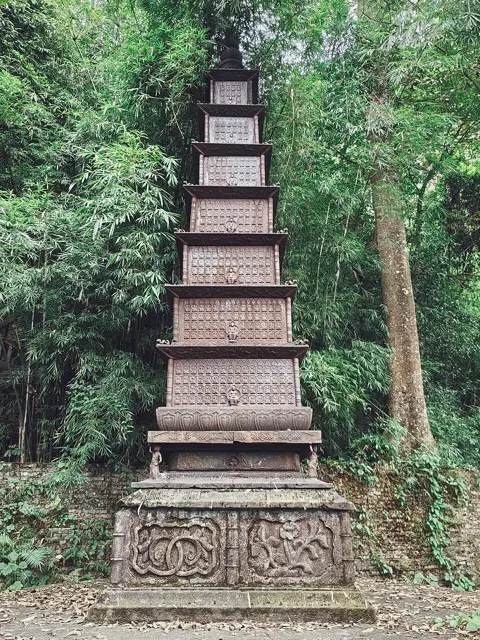

Season and Visual Direction. October–November is a useful starting window for cooler outdoor work and red-rock landscapes. Spring can suit softer green surroundings, but rain and slippery paths may change the route.
Food and Crew Catering. Organise the main meal near the entrance or the overnight base. Carry water and a packed option for a long walking route rather than assuming every viewing platform has catering.
Commercial Filming. Keep filming on authorised routes. The park publishes restrictions on unauthorised access to protected areas; commercial setups and any aerial plan require separate confirmation.

Planning references: transport or destination information · site and regional information. Check current notices before travel.
More Filming Location Guides
Compare different settings for your production:
- Grassland Filming Locations in China
- Desert and Rock Filming Locations in China
- Coastal and Island Filming Locations in China
- Best Lake Filming Locations in China
- River and Waterfall Filming Locations in China
- Rice Terraces and Rural Filming Locations in China
- Historic Towns and Villages for Filming in China
- Gardens and Heritage Architecture for Filming in China
- Wetland and Mudflat Filming Locations in China
- Forest and Bamboo Filming Locations in China
- Snow and Winter Filming Locations in China
- Karst and Canyon Filming Locations in China
- Highland Valley Filming Locations in China
For a broader shortlist, return to the 16 scenic locations in China overview.
Plan Your Location Shoot
Send the reference images, dates, crew size, camera package and intended scenes. Include any picture vehicle, talent, props, lighting, drone or boat requirement so the scout can assess the actual production rather than only the view.
Shoot In China can discuss location research, scouting, local crew, equipment and transport according to the brief. Contact [email protected] with the project details, or browse our production work.