



Coastal and Island Filming Locations in China
Coastal filming locations in China include sandy beachfronts, rocky island shores and urban sea-view settings. These six references cover different directions for lifestyle commercials, hospitality photography and documentary filming. A harbour skyline and an empty beach solve different visual briefs.
Match the location to the production: beachfront filming locations for people and lifestyle scenes, island filming locations for a sense of separation, or an urban waterfront for corporate content. Hong Kong is included as a separate production jurisdiction with its own filming and access arrangements.
See the 16-location landscape overview for more natural and cultural settings.
The photographs are credited location references, not examples of Shoot In China projects. Seasonal windows below are starting points for the desired look; current transport, parking and commercial access must be confirmed for the production dates.
1. Weizhou Island, Guangxi
Weizhou offers sandy bays, volcanic-rock details and inhabited island settings. It can suit beachfront lifestyle photography, an island documentary or a commercial combining coast and village scenes. The desired beach and the tidal state should be identified before a location is selected.
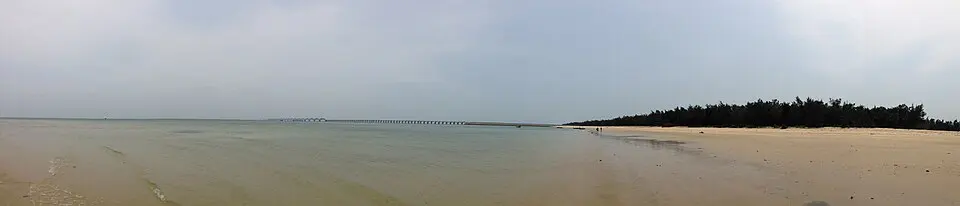

Getting There. Arrive in Beihai, then use the Beihai–Weizhou passenger-ferry route from the international passenger port. Confirm sailings and equipment carriage with the operator; do not assume a passenger booking includes a production vehicle.
Parking and Equipment Access. Plan mainland parking separately from island transport. Book an island vehicle and confirm its permitted stopping point, then scout the walk to the beach. Coastal steps and sand can make a short distance slow with cases.
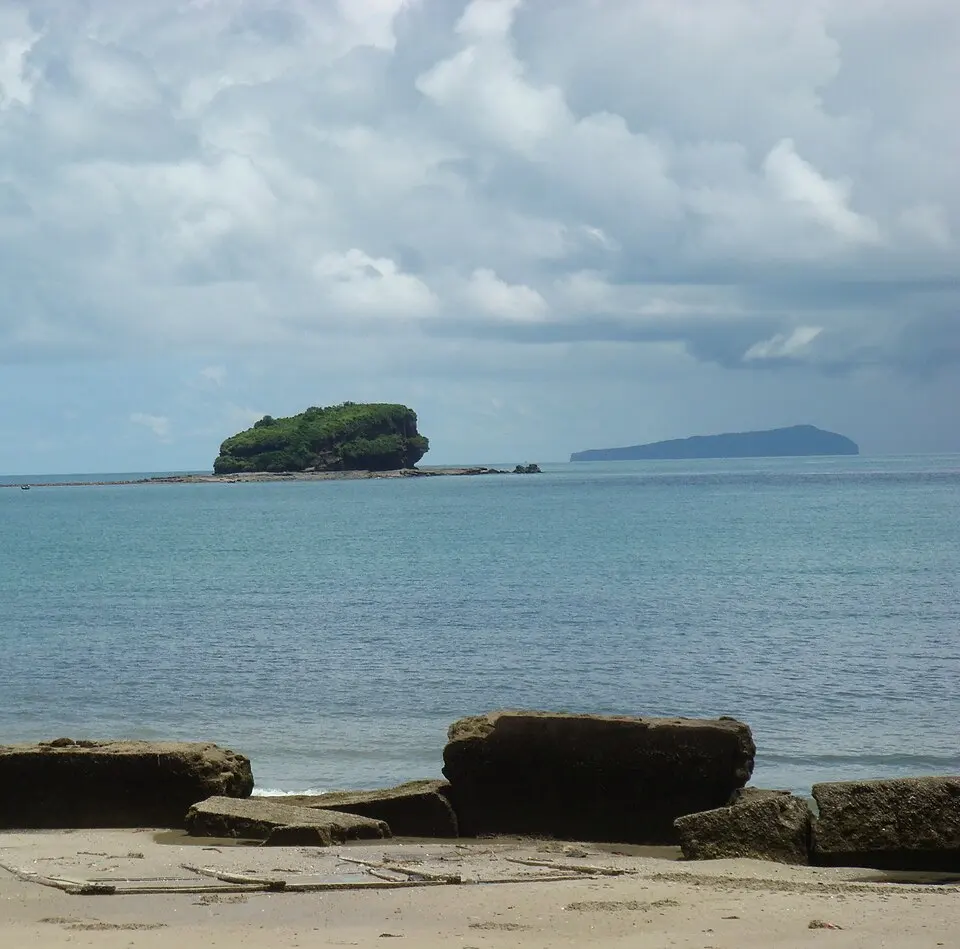

Season and Visual Direction. April–May or October–November are starting windows for a warmer beach look outside the main summer holiday period. Check wind, sea state and storm notices; a preferred month does not guarantee ferry operation.
Food and Crew Catering. Agree meals with the island accommodation or a caterer and confirm dietary requirements. Carry water and a packed option for a tidal-window shoot rather than leaving the crew dependent on a restaurant opening during the setup.
Commercial Filming. Beachfront commercial filming needs the selected site’s agreement and a plan for public access. Rocks, boats and village property are separate permissions; vehicles on sand are not included in ordinary visitor access.
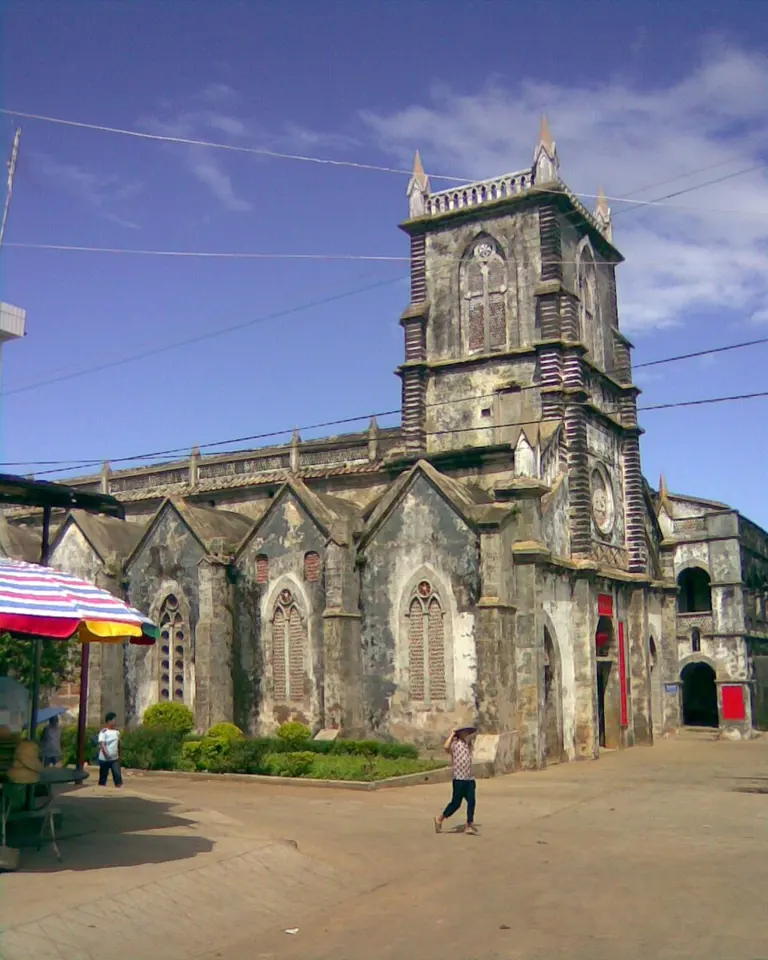

Planning references: transport or destination information · site and regional information. Check current notices before travel.
2. Yalong Bay, Hainan
Yalong Bay is the more serviced option for beachfront filming locations in China: a sandy bay, tropical planting and resort surroundings. It can fit beach lifestyle commercials, hospitality photography and sea-view brand content, with the precise hotel or public beach area selected during scouting.
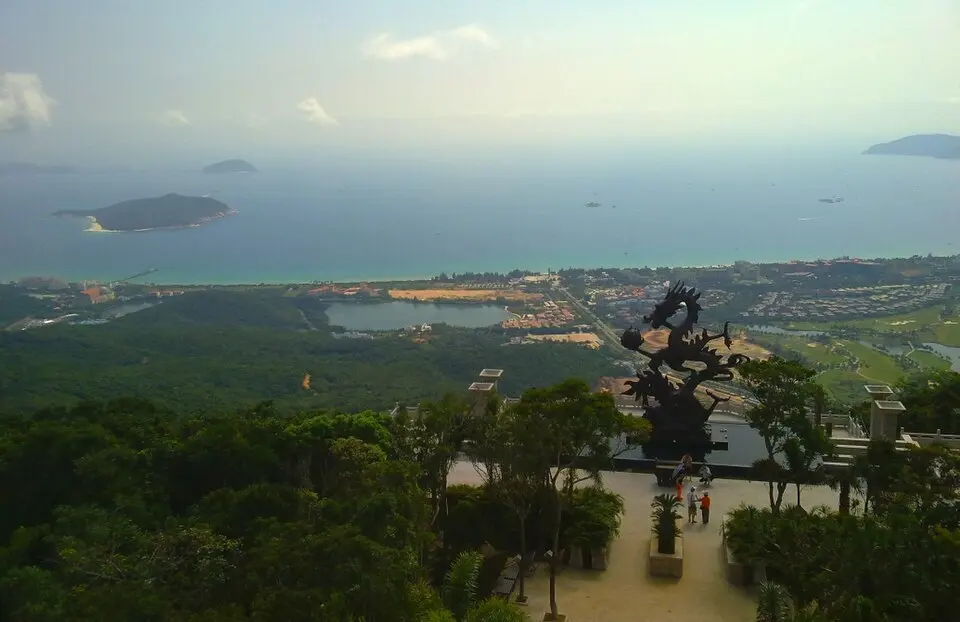

Getting There. Fly to Sanya Phoenix International Airport and continue by road. The tourism board describes taxi, ride-hailing and hotel-transfer options; confirm transfer time for the actual hotel and traffic conditions.
Parking and Equipment Access. Arrange loading and parking with the chosen hotel or beach operator. A nearby car park does not mean a van can drive onto sand; scout a trolley route and a shaded equipment base.
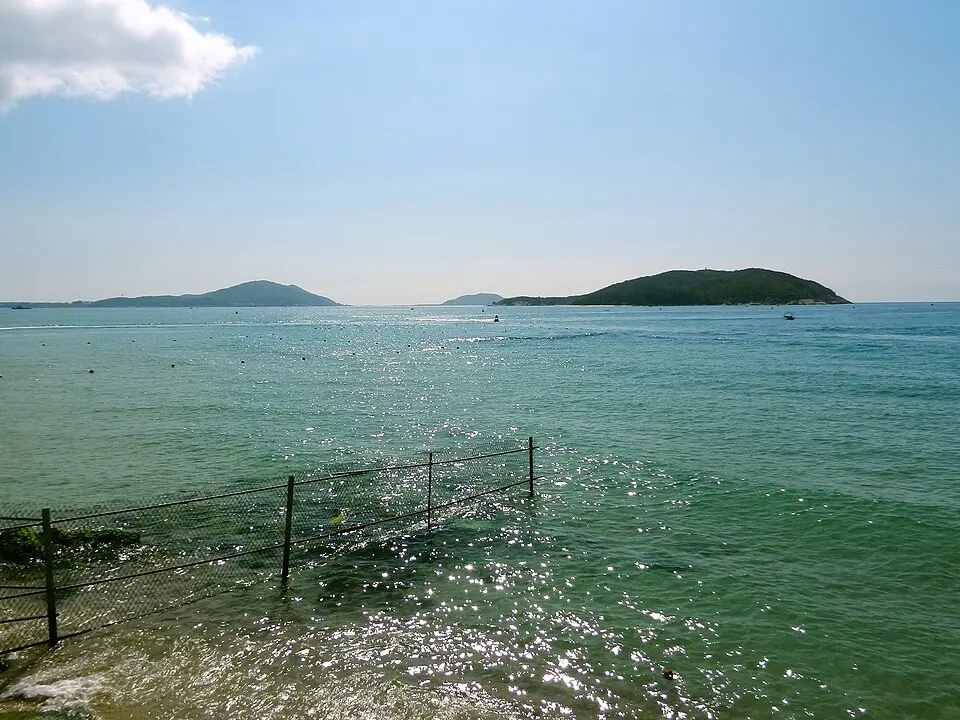

Season and Visual Direction. November–April is the tourism board’s more comfortable outdoor window. It suits a beach-lifestyle brief with less heat than summer, while winter holidays can increase crowding and accommodation demand.
Food and Crew Catering. The bay has hotels and the Hundred Flowers Valley commercial area with dining. Book crew catering at the chosen base and confirm early or late service instead of assuming hotel guest facilities are available to a production.
Commercial Filming. Separate hotel-property permission from any public beach arrangement. Sea-view commercials with furniture, lights or branded props need a defined working area; water scenes and aerial filming require their own preparation.
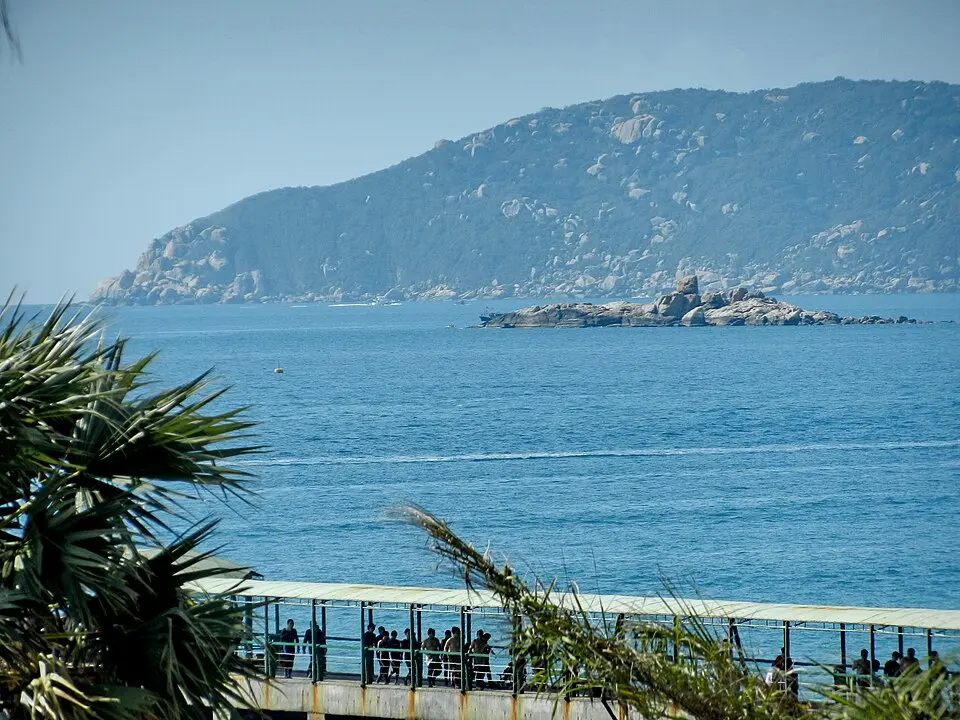

Planning references: transport or destination information · site and regional information. Check current notices before travel.
3. Gulangyu, Xiamen, Fujian
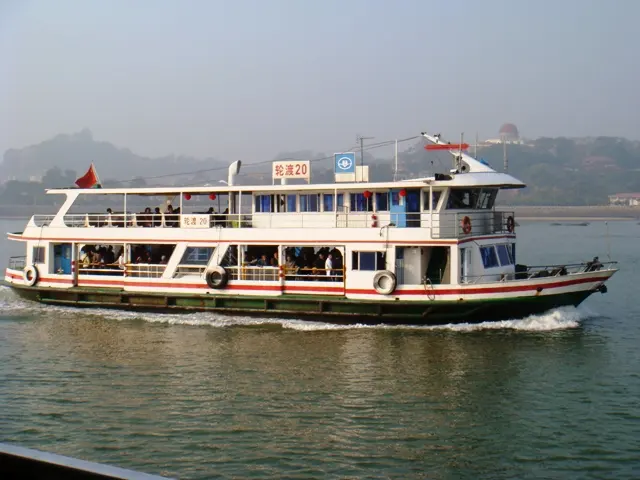
Gulangyu combines seaside views, beaches and historic streets. It is useful for island lifestyle photography and architectural documentary filming where a pedestrian setting is part of the look. It is not a beach location for a picture car.
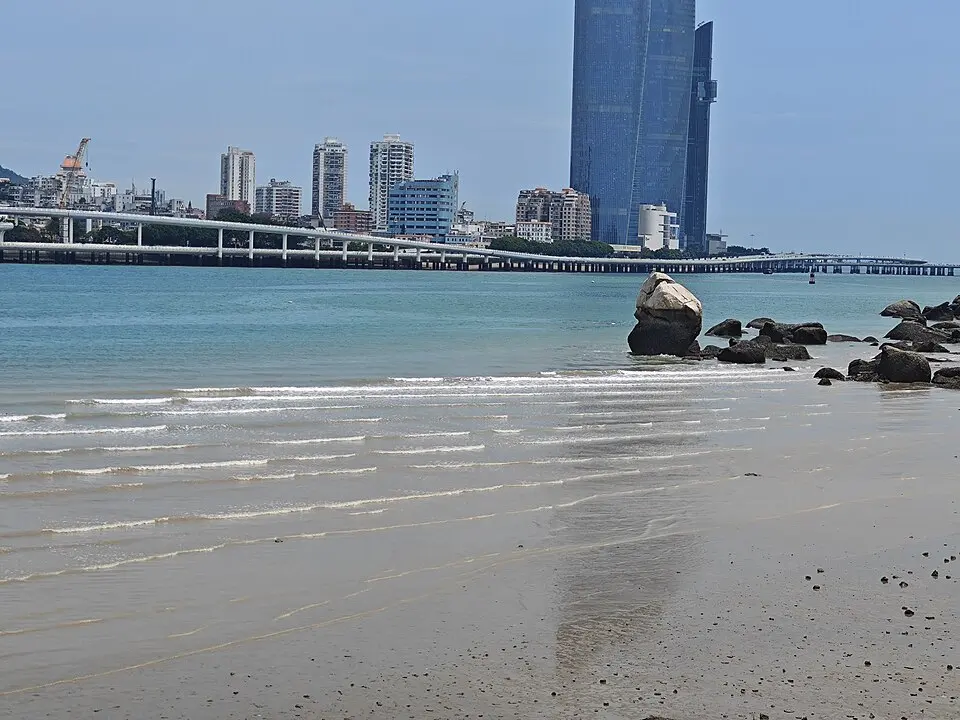

Getting There. Arrive in Xiamen, then book the appropriate visitor ferry. The operator lists daytime routes from Dongdu to Sanqiutian or Neicuo’ao; choose the landing point according to the planned location.
Parking and Equipment Access. Leave road vehicles on the mainland and plan the island stage as a walking equipment move. Confirm any authorised freight or local transport separately. Steps and narrow streets affect case size and crew movement.
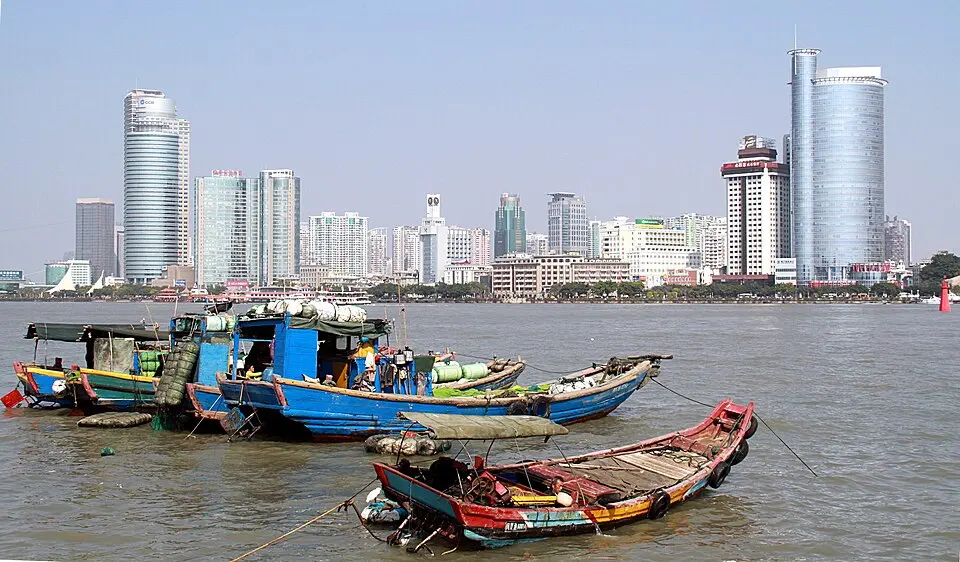

Season and Visual Direction. March–May and October–November are starting windows for a walking-based coastal shoot. Check the actual forecast, ferry notices and holiday visitor levels; an autumn date does not guarantee a clear sea-view background.
Food and Crew Catering. The island and Xiamen provide catering options, but confirm the chosen supplier’s delivery point. For a small crew, pre-arranged packed meals can reduce equipment moves between a beach and a street setup.
Commercial Filming. Check managed gardens, historic buildings and private interiors individually. A documentary street reference does not grant contributor consent or an exclusive commercial working area. Keep public pedestrian routes clear.

Planning references: transport or destination information · site and regional information. Check current notices before travel.
4. Chengshantou, Shandong
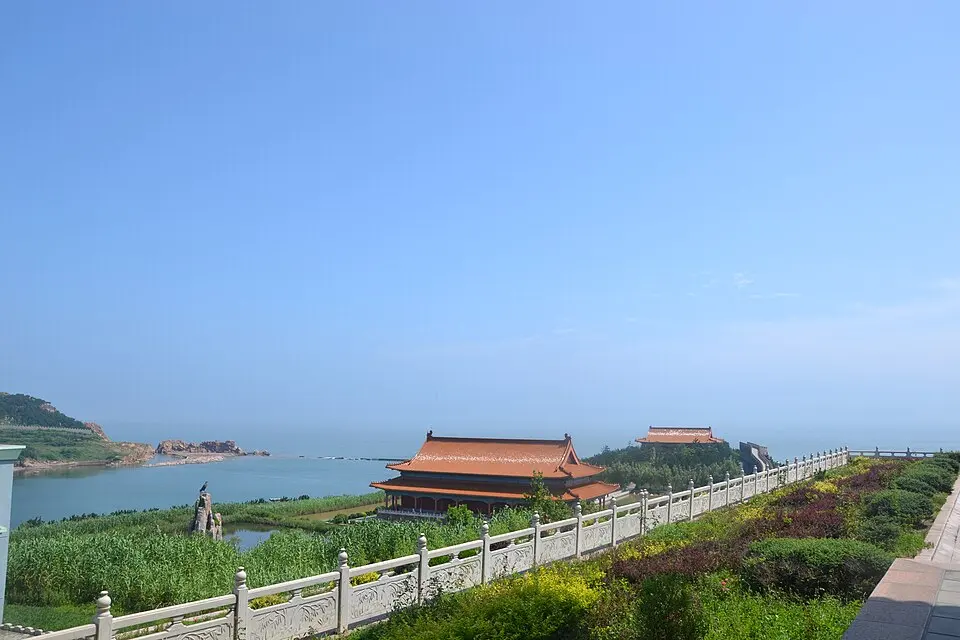
Chengshantou offers rocky headlands and a strong open-sea horizon near Rongcheng. It suits coastal documentary locations, sea-view landscape photography and outdoor-brand scenes that need cliffs rather than a tropical beach. Select natural and built viewpoints separately.
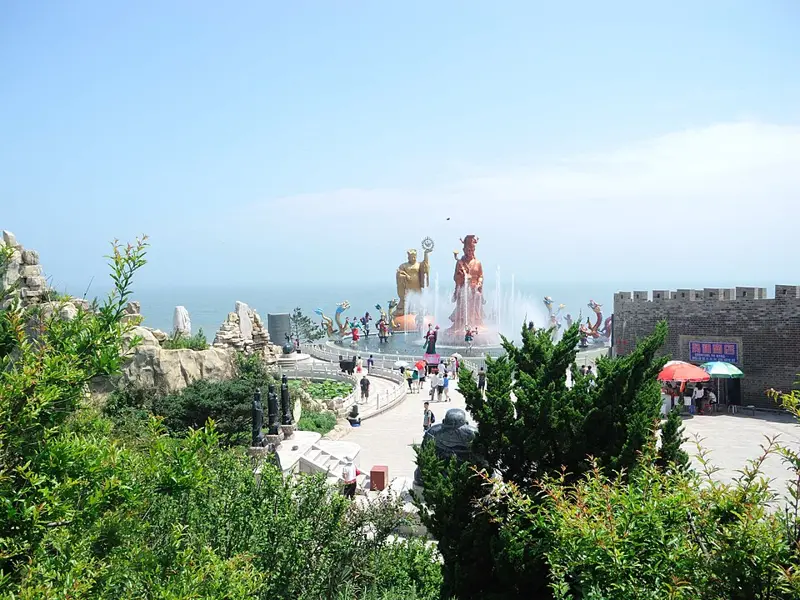

Getting There. Use Weihai or Rongcheng as the arrival base, then continue by road. Weihai’s official transport information describes a coastal tourist route to Chengshantou; confirm current operation before relying on it for a crew.
Parking and Equipment Access. Ask the scenic-area operator to confirm the correct parking area, unloading arrangements and onward walk. Parking capacity and production-vehicle admission have not been confirmed for a shoot.
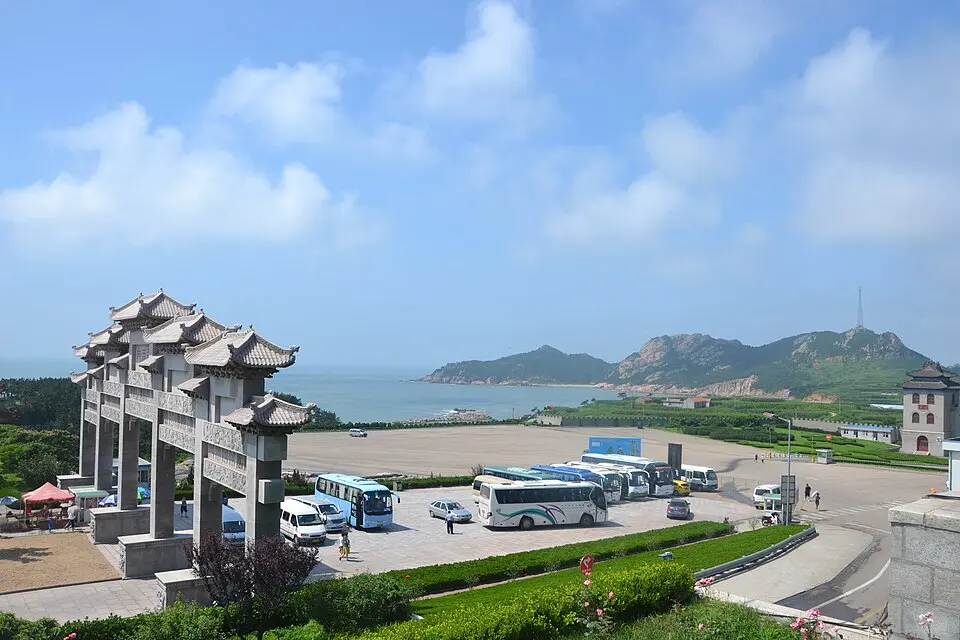

Season and Visual Direction. May–June or September–October are useful starting windows for milder outdoor working conditions. Sunrise is a possible direction for the brief, but cloud, sea mist and wind determine what can actually be filmed.
Food and Crew Catering. Organise the main catering from the overnight base or a pre-booked local supplier. Carry drinking water and a packed option for an exposed headland setup; confirm service near the chosen entrance.
Commercial Filming. A scenic coastal road can be considered for an automotive brief only after separate road and filming approval. Do not imply that the visitor path or cliff edge can accommodate a vehicle, lighting truck or exclusive set.

Planning references: transport or destination information · site and regional information. Check current notices before travel.
5. Nanji Island, Zhejiang
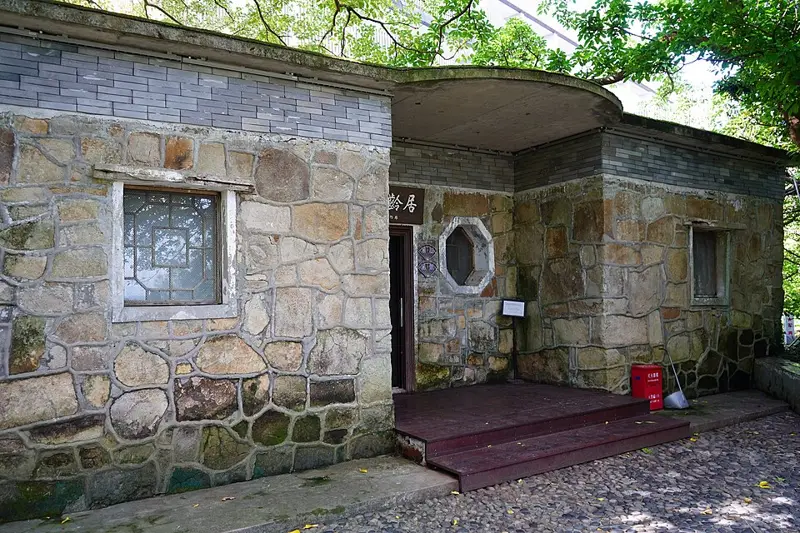
Nanji offers a beach-and-rock island setting, with village and historic details as additional visual references. It can suit an island documentary or a small coastal lifestyle production. The protected marine setting makes a carefully defined location and equipment footprint important.
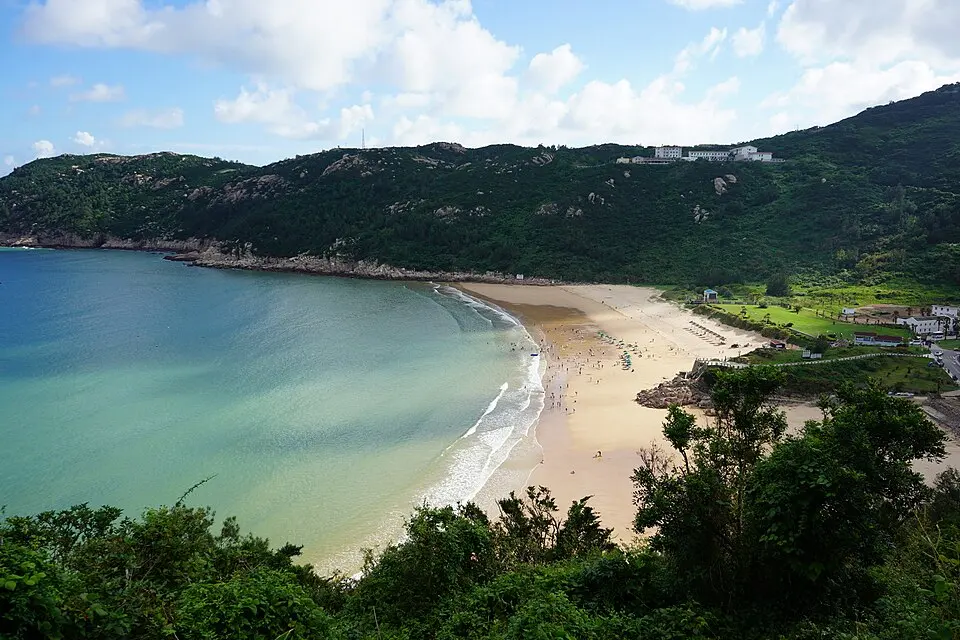

Getting There. Plan the mainland connection through the Wenzhou region and confirm the current passenger sailing from Aojiang or the operator’s alternative departure point. Match crew and equipment movements to the actual sailing, not an assumed year-round timetable.
Parking and Equipment Access. Leave mainland vehicles at the confirmed port parking or overnight base. Arrange island transport separately and check the final walk to the location. Production loading access and vehicle admission need local confirmation.
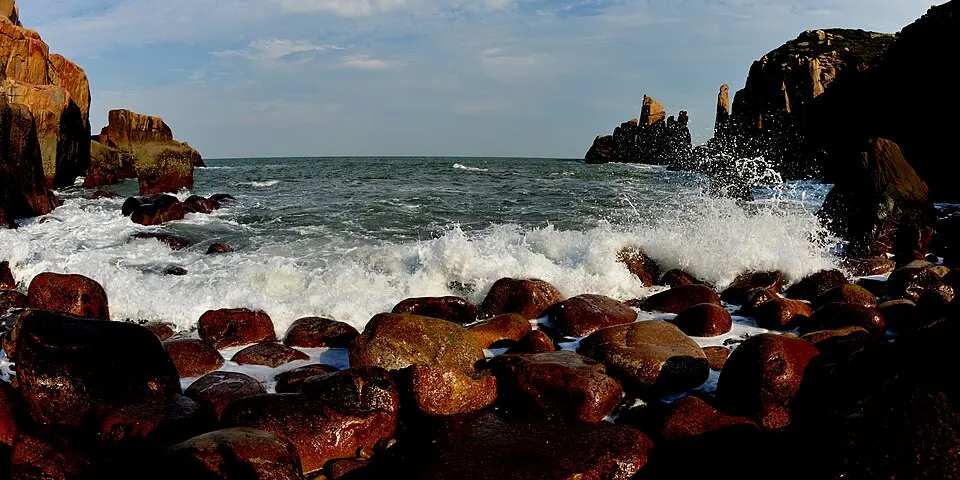

Season and Visual Direction. May–June or September are starting windows for a beach and greener-island brief. Check marine weather and sailing notices before fixing the schedule; allow a spare travel window if sea conditions interrupt access.
Food and Crew Catering. Book meals with the island base in advance. Confirm ingredients and dietary preferences, and carry water and backup food for an early or late shoreline session. Do not assume a small island kitchen can serve a large crew at short notice.
Commercial Filming. Check the chosen bay, protected-area restrictions and any heritage property separately. A small observational documentary and a branded beach installation can require very different arrangements; visitor access is not a commercial-filming clearance.

Planning references: transport or destination information · site and regional information. Check current notices before travel.
6. Victoria Harbour, Hong Kong
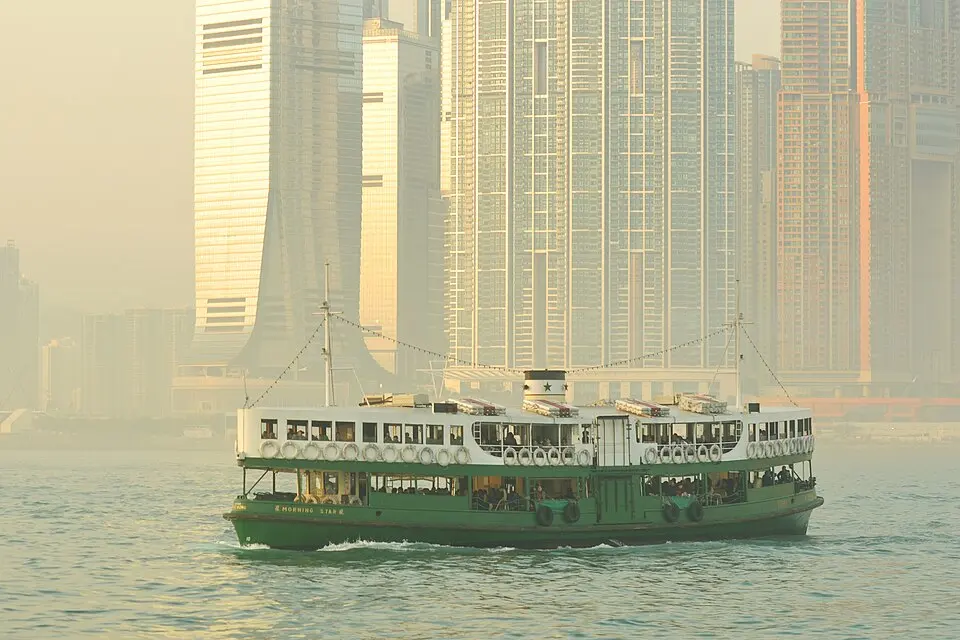
Victoria Harbour adds an urban waterfront option to this coastal location list. The visual brief can combine a sea-view skyline, promenades and moving ferries for corporate films, city documentaries or lifestyle brand content. It is a harbour setting, not a beachfront substitute.
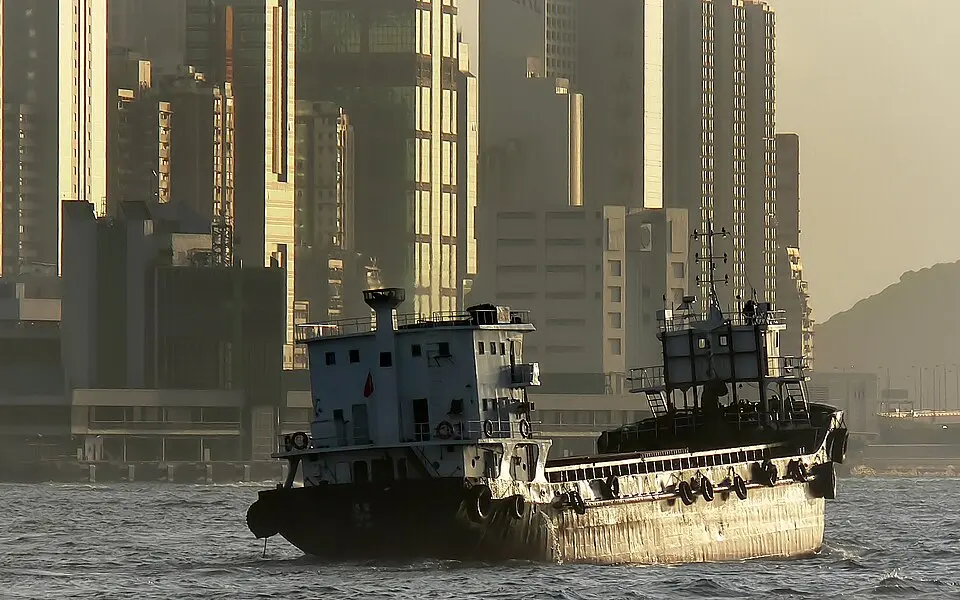

Getting There. Arrive in Hong Kong and select the exact waterfront first: Tsim Sha Tsui, West Kowloon and Hong Kong Island give different skyline directions. Use the tourism board’s access guidance for the chosen promenade.
Parking and Equipment Access. Plan a legal unloading point and nearby parking rather than assuming a van can stop on the promenade. Larger equipment, managed venues and filming-vehicle parking require separate coordination through the relevant local arrangements.
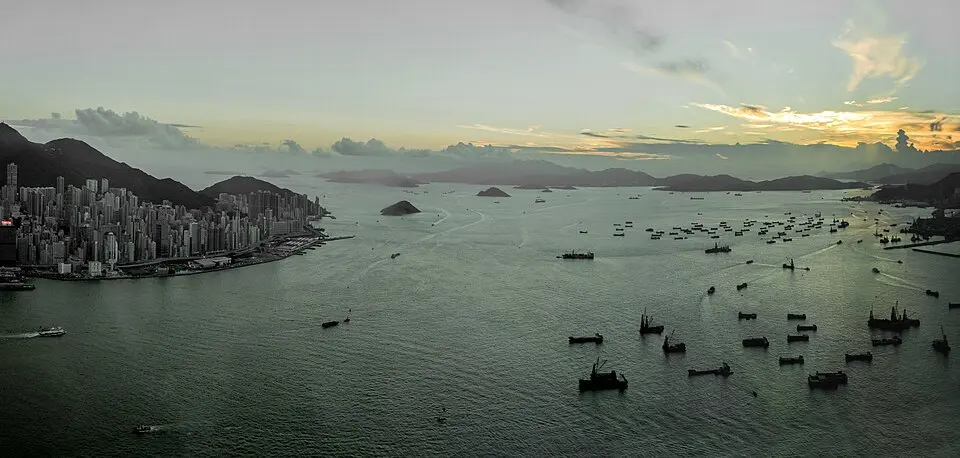

Season and Visual Direction. October–December is a starting window for milder outdoor work and evening skyline scenes. Check cloud, haze, rain and wind for the actual date. Schedule a daylight-to-blue-hour transition according to the chosen camera direction.
Food and Crew Catering. Tsim Sha Tsui and other urban waterfront districts provide nearby dining choices. Arrange a fixed crew meal and equipment watch rather than moving the whole unit into a busy restaurant between light changes.
Commercial Filming. Hong Kong has its own filming and venue procedures. Use the Film Promotion and Facilitation guidance for the selected site, public-space notification and filming vehicles; do not apply a mainland location assumption to this production.

Planning references: transport or destination information · site and regional information. Check current notices before travel.
More Filming Location Guides
Compare different settings for your production:
- Grassland Filming Locations in China
- Desert and Rock Filming Locations in China
- Best Lake Filming Locations in China
- Best Mountain Locations in China for Filming and Photography
- River and Waterfall Filming Locations in China
- Rice Terraces and Rural Filming Locations in China
- Historic Towns and Villages for Filming in China
- Gardens and Heritage Architecture for Filming in China
- Wetland and Mudflat Filming Locations in China
- Forest and Bamboo Filming Locations in China
- Snow and Winter Filming Locations in China
- Karst and Canyon Filming Locations in China
For a broader shortlist, return to the 16 scenic locations in China overview.
Plan Your Location Shoot
Send the reference images, dates, crew size, camera package and intended scenes. Include any picture vehicle, talent, props, lighting, drone or boat requirement so the scout can assess the actual production rather than only the view.
Shoot In China can discuss location research, scouting, local crew, equipment and transport according to the brief. Contact [email protected] with the project details, or browse our production work.