



Best Lake Filming Locations in China
Lake filming locations in China range from open plateau shores to wooded mountain water and a volcanic crater. These six references help compare lake-view commercial locations, lakeside lifestyle photography and documentary settings. Choose the shoreline and visual direction before planning the route.
A wide blue lake, a still reflection and a road beside water are different briefs. For an automotive commercial, confirm the road separately. For lifestyle or food-brand imagery, define the foreground, people and props without assuming access to boats, farms or private waterfront property.
See the 16-location landscape overview for more natural and cultural settings.
The photographs are credited location references, not examples of Shoot In China projects. Seasonal windows below are starting points for the desired look; current transport, parking and commercial access must be confirmed for the production dates.
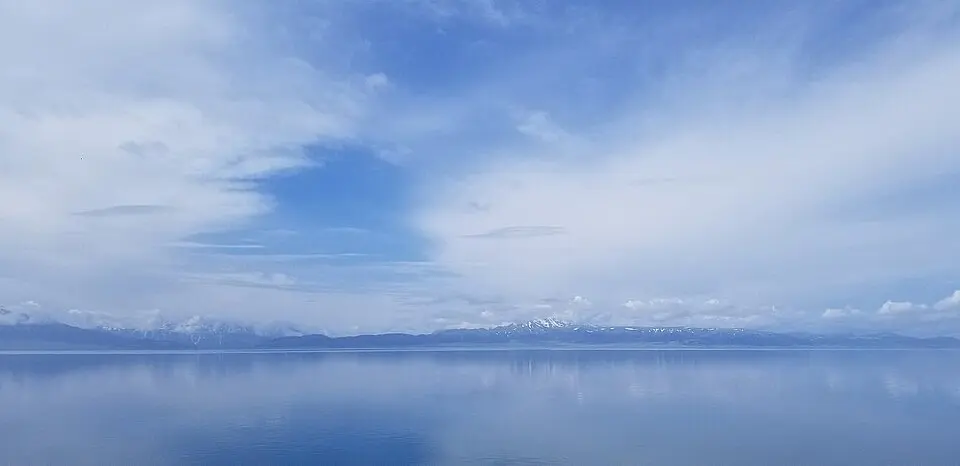
1. Qinghai Lake, Qinghai
Qinghai Lake offers a low horizon, broad water and grassland edges. It can fit a lakeside lifestyle commercial or landscape documentary brief. Select the exact shore: an open-water view, a flower field and a road-and-lake composition are different locations.
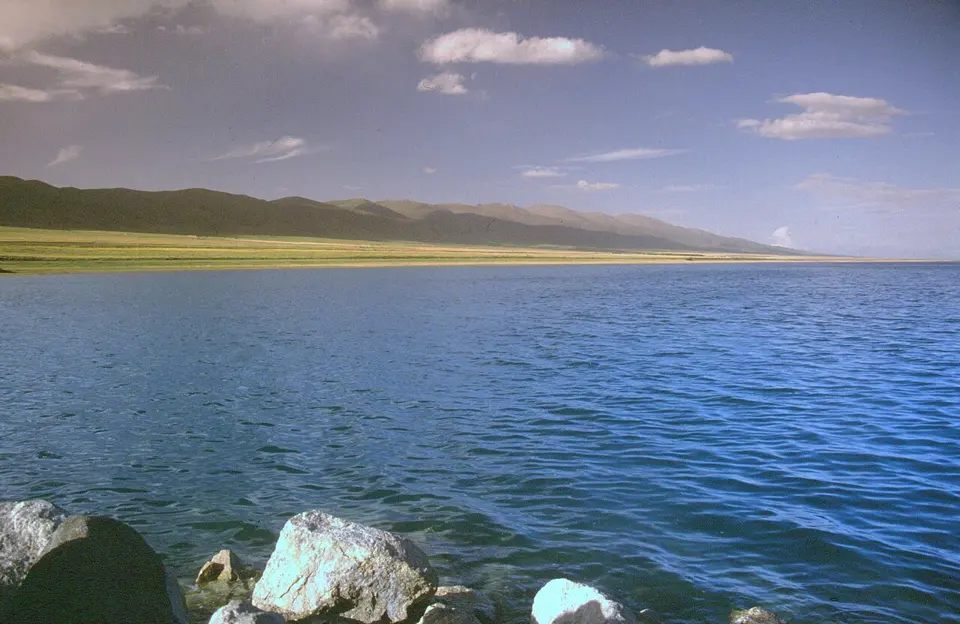

Getting There. Arrive in Xining by air or rail, then continue by road to the chosen shore. Erlangjian is a managed visitor area; do not treat a trip to one entrance as a complete lake circuit.
Parking and Equipment Access. Use designated visitor parking and confirm the onward walk or internal transport. Summer traffic can be heavy. A roadside lake view does not permit a vehicle to stop in a traffic lane for an automotive shoot.
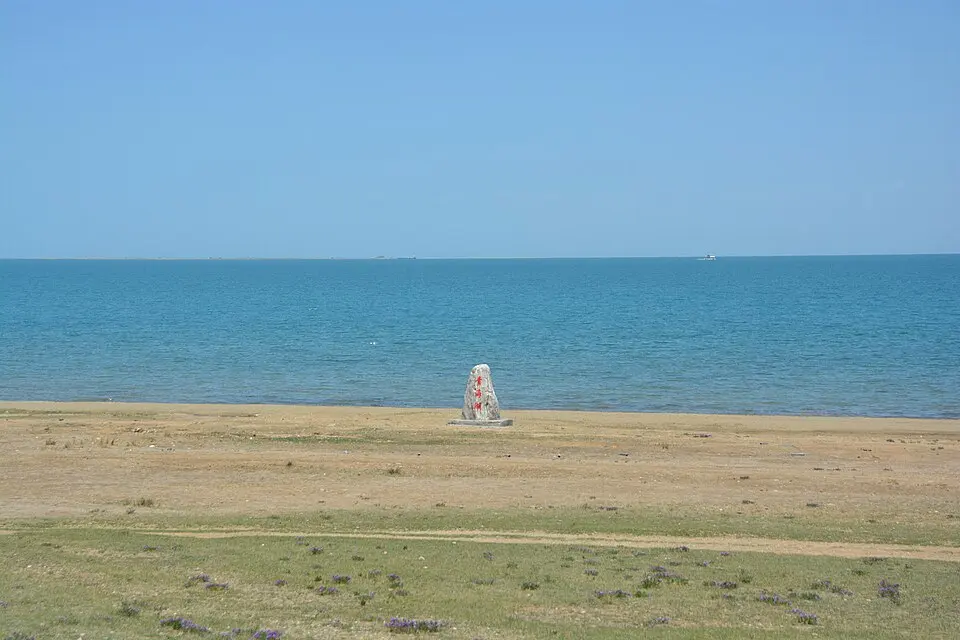

Season and Visual Direction. July–August for green shorelines and the seasonal yellow-field contrast, with flowering dates checked locally. September can suit a quieter, more restrained colour brief, but conditions are colder.
Food and Crew Catering. Plan food and water around the selected lakeside town or overnight stop. Pre-order crew meals and confirm opening times for dawn work; do not rely on a stall beside a remote viewpoint.
Commercial Filming. For lake-view commercial locations, confirm shore ownership and protected-area rules. Dairy or pastoral imagery requires a separate farm and animal brief; the landscape alone does not establish access to livestock.
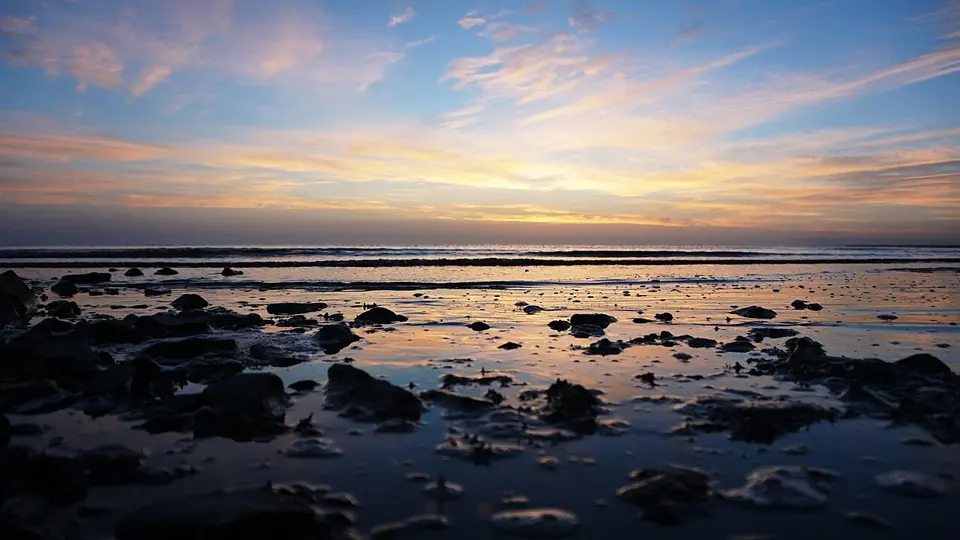

Planning references: transport or destination information · site and regional information. Check current notices before travel.
2. Sayram Lake, Xinjiang
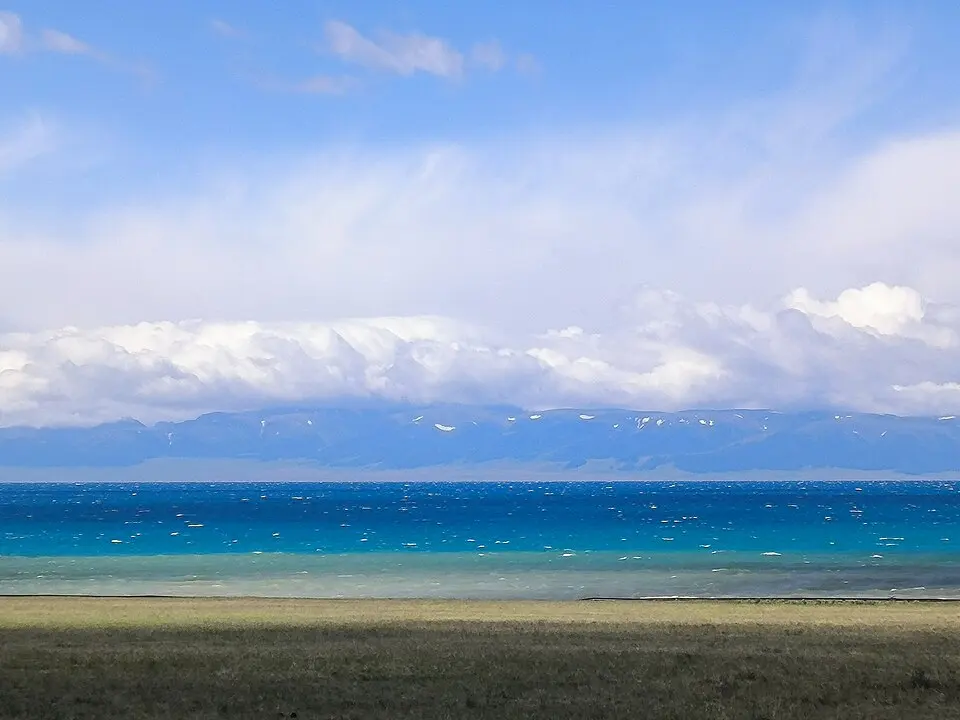
Sayram Lake combines blue water, mountain horizons and meadow foregrounds. It is a useful reference for lake-and-grassland commercial filming, outdoor lifestyle photography and a scenic-road automotive brief, provided the road setup can be authorised separately.
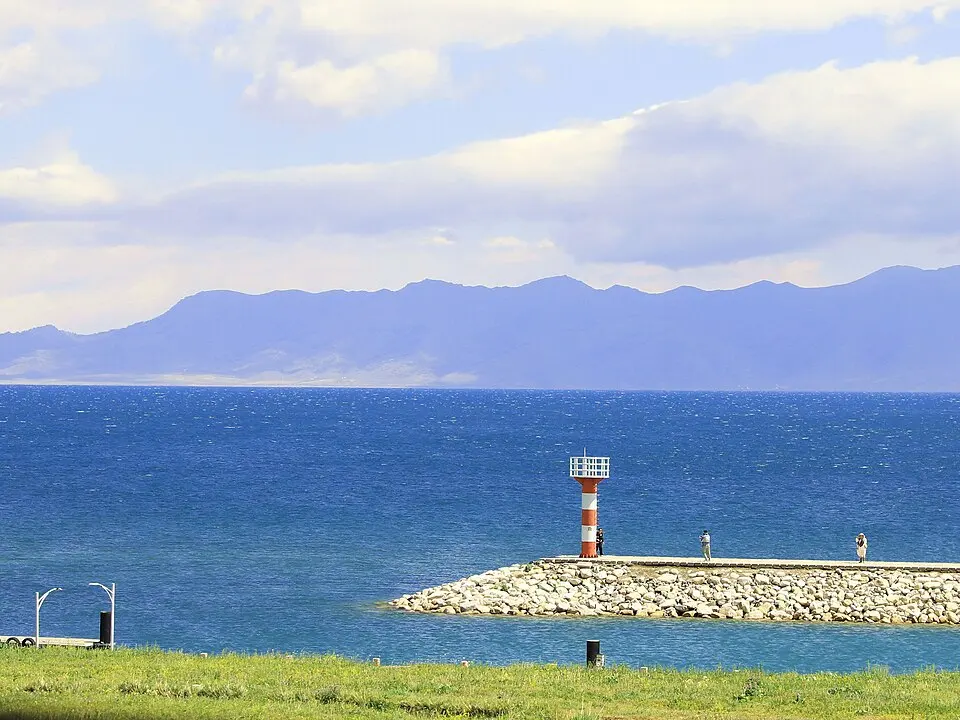

Getting There. Plan a road transfer from Bole or Yining after confirming the crew’s arrival connections. Choose the lake entrance and overnight base before calculating the day’s driving.
Parking and Equipment Access. Official material describes parking areas, boardwalks and sightseeing transport. Current self-drive admission and production-vehicle access must be confirmed with the operator; park only at designated stops and keep vehicles off meadow ground.

Season and Visual Direction. June–July for meadow flowers and a greener lake edge. September–October offers a more golden grassland palette. Wind can remove the mirror-like reflection seen in reference photographs.
Food and Crew Catering. Book catering around the selected service base and carry water and a packed lunch for a long lake circuit. Ask the local supplier to confirm menus and dietary needs rather than assuming every shore has restaurants.
Commercial Filming. The blue-water and meadow combination may suit lifestyle or dairy-commercial imagery. Protected vegetation and shore access limit where people, vehicles and props can be placed; do not promise off-road driving.

Planning references: transport or destination information · site and regional information. Check current notices before travel.
3. Lugu Lake, Yunnan and Sichuan
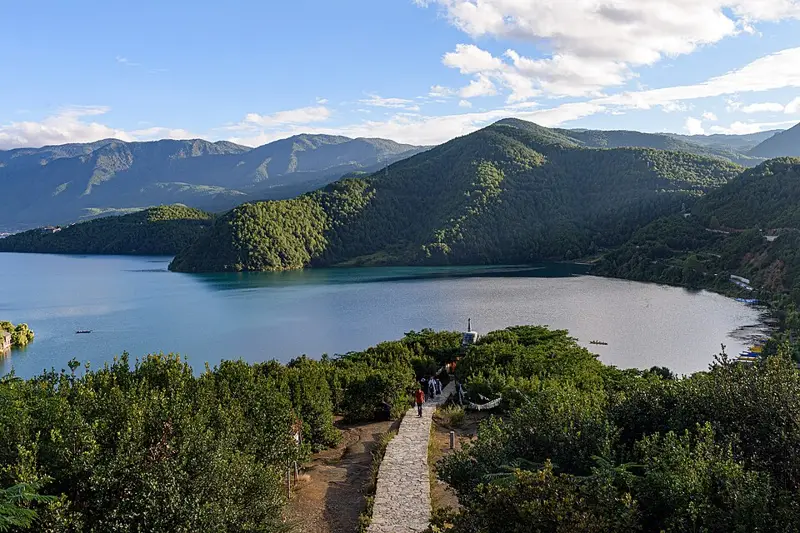
Lugu Lake offers curved bays, wooded hills and waterside settlements. It can fit a lake-view lifestyle shoot or a documentary sequence combining landscape with local life. Any filmed residents, cultural activities or private interiors need their own consent and arrangements.
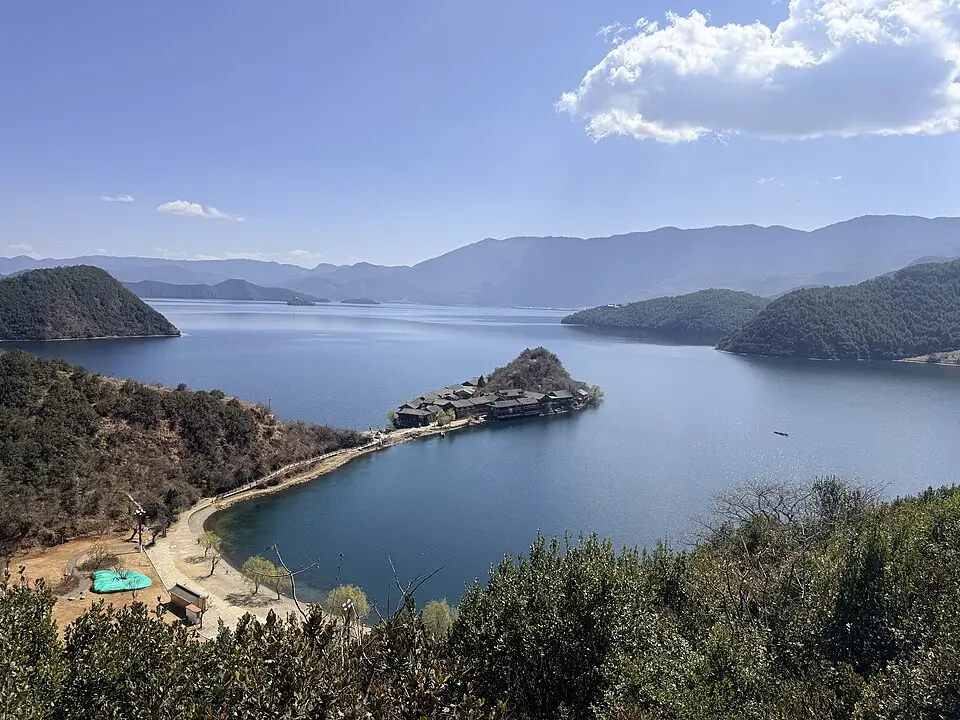

Getting There. A practical starting route is Lijiang followed by a road transfer to the selected lake village. Official regional information lists a coach connection to Daluoshui. Check the current airport schedule before planning around a closer regional flight.
Parking and Equipment Access. Confirm parking with the selected accommodation or managed viewpoint. Narrow village access and the walk to the shore matter more than whether a map shows a road nearby. Boats require a separate equipment and safety plan.
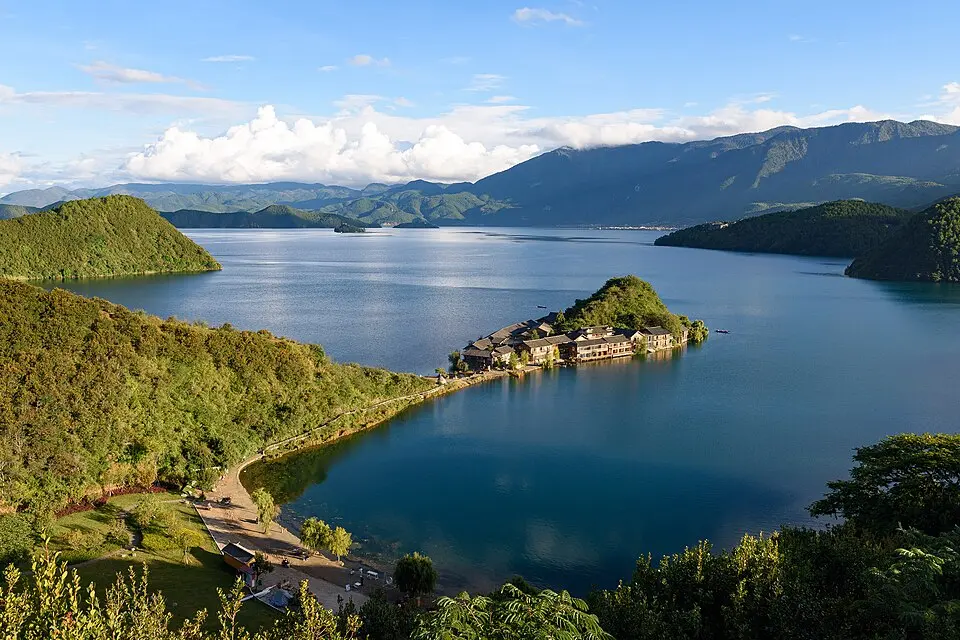

Season and Visual Direction. March–May for spring light and fresh growth; October–November for autumn colour and a different shoreline mood. Choose the reference look first and check actual vegetation and weather before booking.
Food and Crew Catering. Pre-arrange meals with the village accommodation or a local caterer. For a boat or remote shoreline sequence, carry a packed meal and confirm food preferences in advance.
Commercial Filming. Lakefront commercial filming should distinguish public viewpoints from private waterfront property. Request consent for boats and contributors, and avoid describing local culture as a ready-made set.

Planning references: transport or destination information · site and regional information. Check current notices before travel.
4. Tianshan Tianchi, Xinjiang
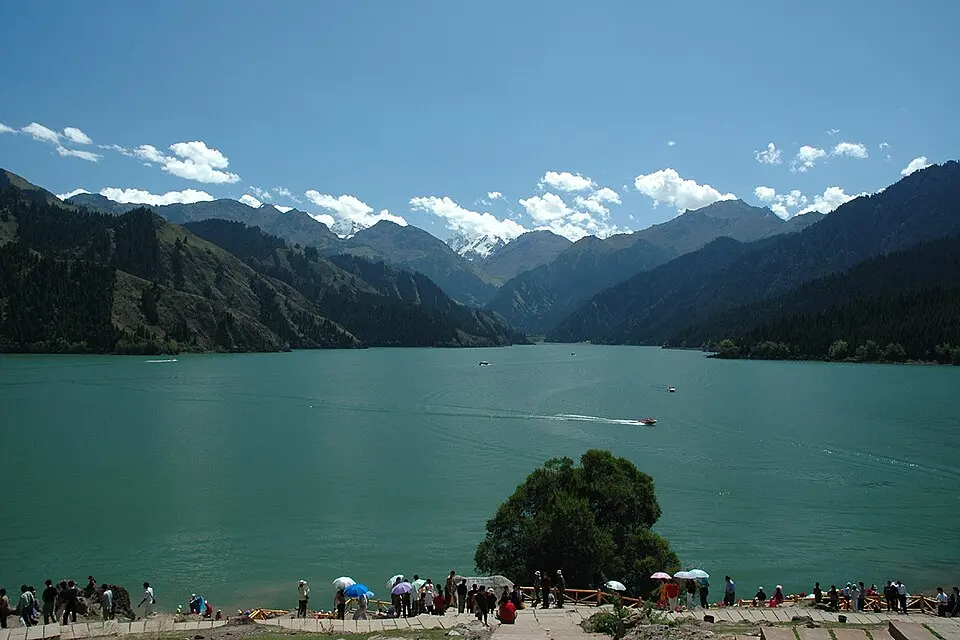
Tianshan Tianchi brings together lake water, conifer slopes and a mountain backdrop near Urumqi. It suits alpine-lake documentary filming and outdoor brand photography where a wooded shore is more important than a very open grassland horizon.
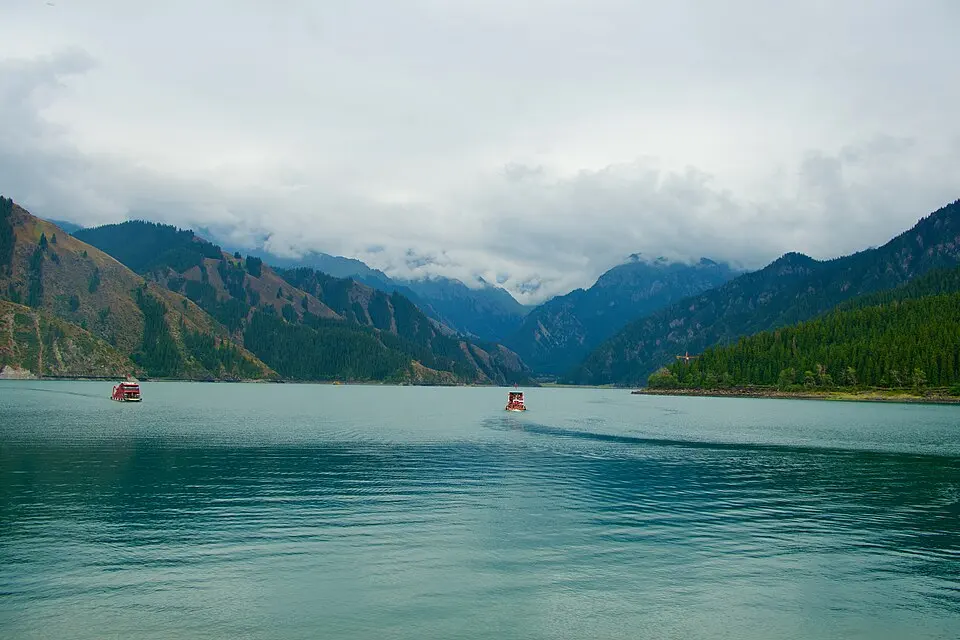

Getting There. Use Urumqi as the arrival hub and travel by road towards Fukang and the scenic area. Confirm the relevant visitor centre and the current onward transfer route.
Parking and Equipment Access. The visitor centre has parking and managed transfer points. Plan to move equipment through the authorised visitor-transport system; direct production-van access to the lake is unconfirmed.
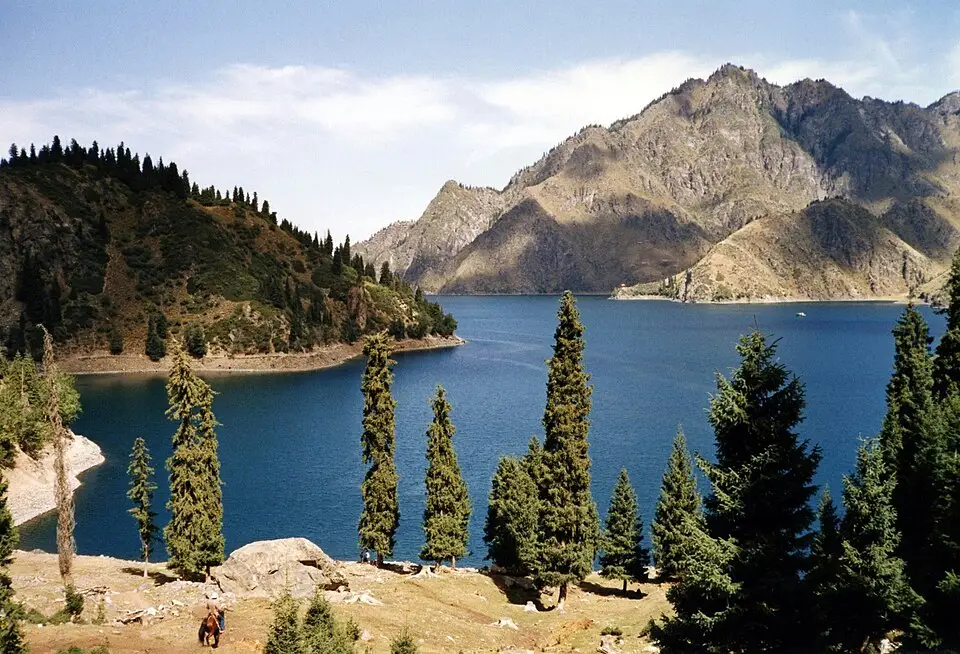

Season and Visual Direction. June–September for open-water and green-forest references; late September–October for an autumn direction where conditions permit. Winter changes the brief to snow and possible ice, with different access requirements.
Food and Crew Catering. Arrange the main crew meal at the base and carry snacks and water for the lake route. Confirm any catering location before allocating a short lunch break in the schedule.
Commercial Filming. For a lakeside commercial shoot, check visitor flow, platform space and the proposed lighting footprint. The presence of a mountain road does not make it an available car-commercial location.

Planning references: transport or destination information · site and regional information. Check current notices before travel.
5. Changbai Mountain Tianchi, Jilin
The volcanic crater gives Changbai Tianchi a distinct shape and a more enclosed mountain-lake composition. It can suit geological documentaries and dramatic landscape photography. The reference here is the Chinese-side visitor route; it does not imply cross-border access.
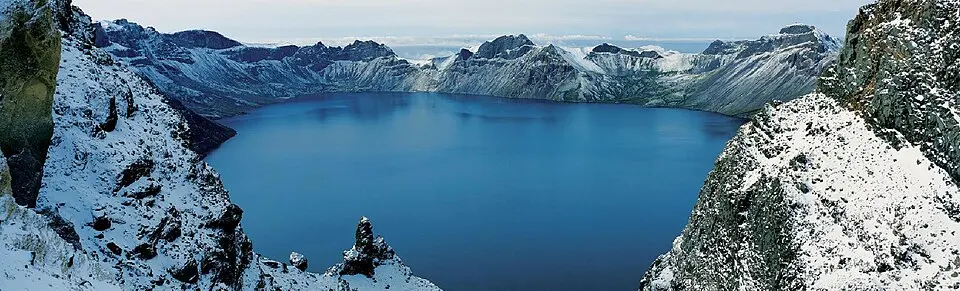

Getting There. For the northern approach, use Changbaishan railway station and Erdaobaihe, then the North Scenic Area visitor-transfer centre. Select the north or west approach before booking transport and accommodation.
Parking and Equipment Access. The scenic area uses controlled transport. Leave the production vehicle at the appropriate base and confirm equipment handling at each transfer; summit access can close when weather changes.
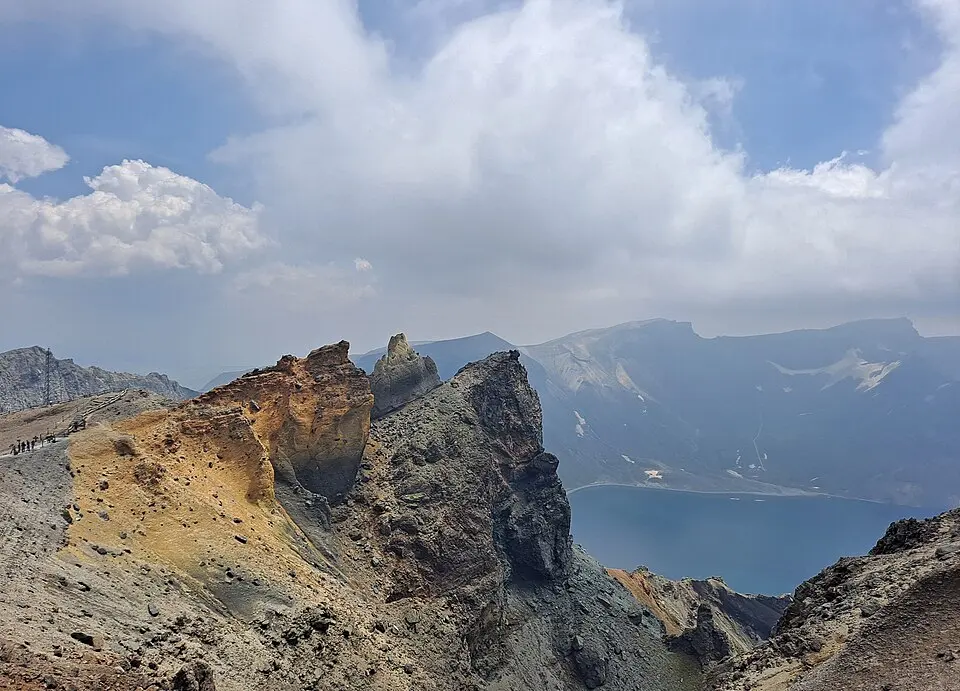

Season and Visual Direction. July–September is the starting window for an open-water crater-lake brief. A clear view cannot be guaranteed: cloud, wind and operational closures can prevent access even during the summer season.
Food and Crew Catering. Arrange meals in Erdaobaihe or the chosen base and carry a packed alternative. Keep the summit plan independent of restaurant opening hours, and allow a weather-related return without losing the catering plan.
Commercial Filming. A compact camera package is more practical than a large branded installation. Confirm site permission for commercial filming and whether the chosen working area remains accessible on the day.
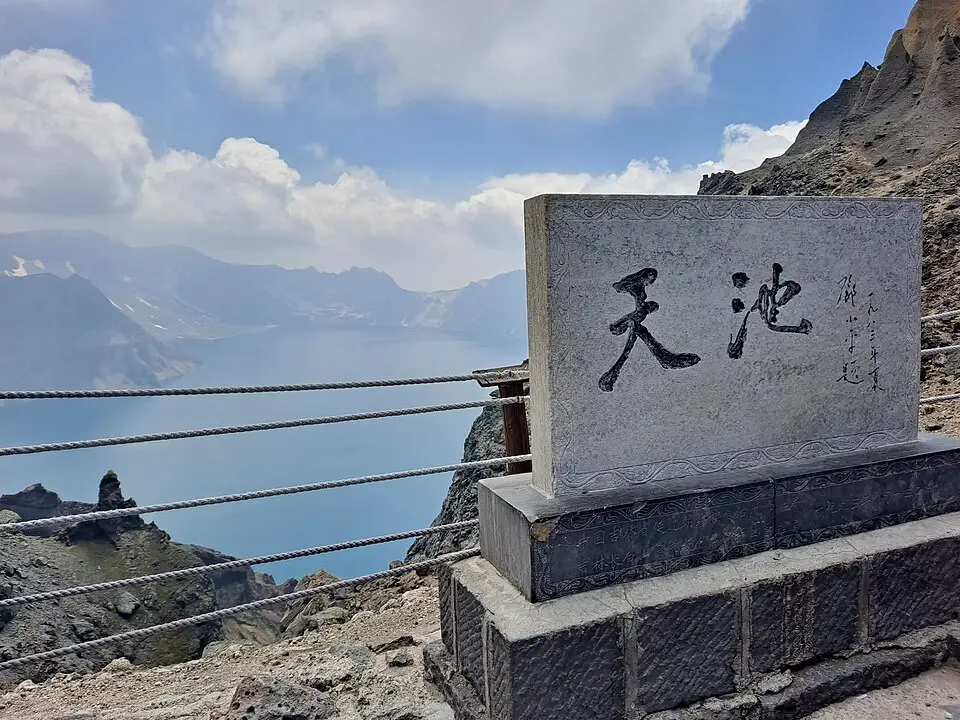

Planning references: transport or destination information · site and regional information. Check current notices before travel.
6. Jingpo Lake, Heilongjiang
Jingpo Lake offers a wooded shoreline, broad water and volcanic-landscape context. The lake can support a forest-and-water documentary or autumn lifestyle photography brief. The lake view and the nearby waterfall are separate camera positions, so do not schedule them as one setup.
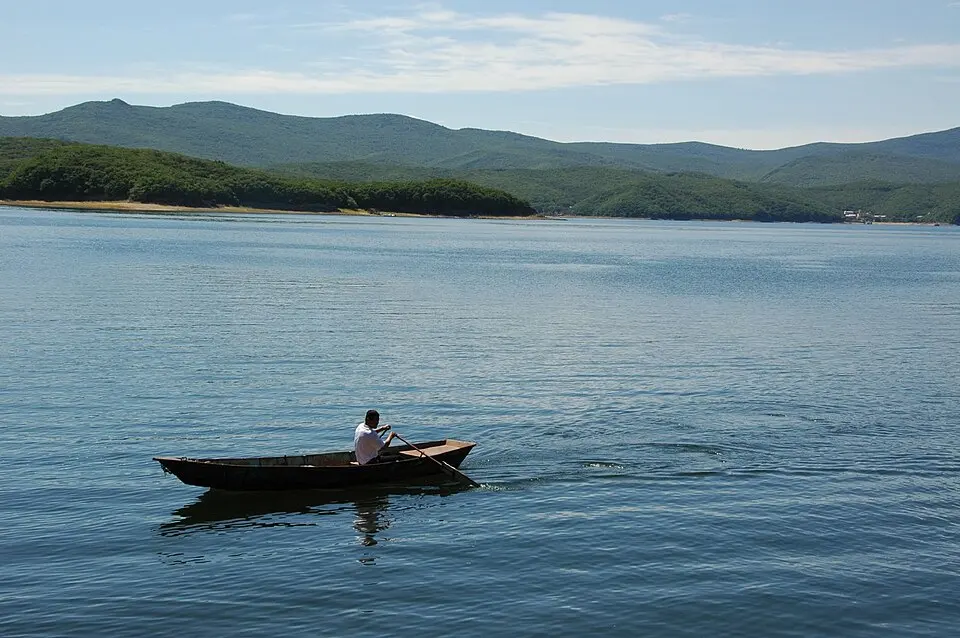

Getting There. Use Mudanjiang as the regional arrival hub. The geopark transport guide also describes a rail connection to Dongjingcheng followed by road transport to the north entrance.
Parking and Equipment Access. Arrange parking at the chosen entrance and confirm the internal vehicle or walking route. Do not assume a crew vehicle can enter simply because a visitor road exists.
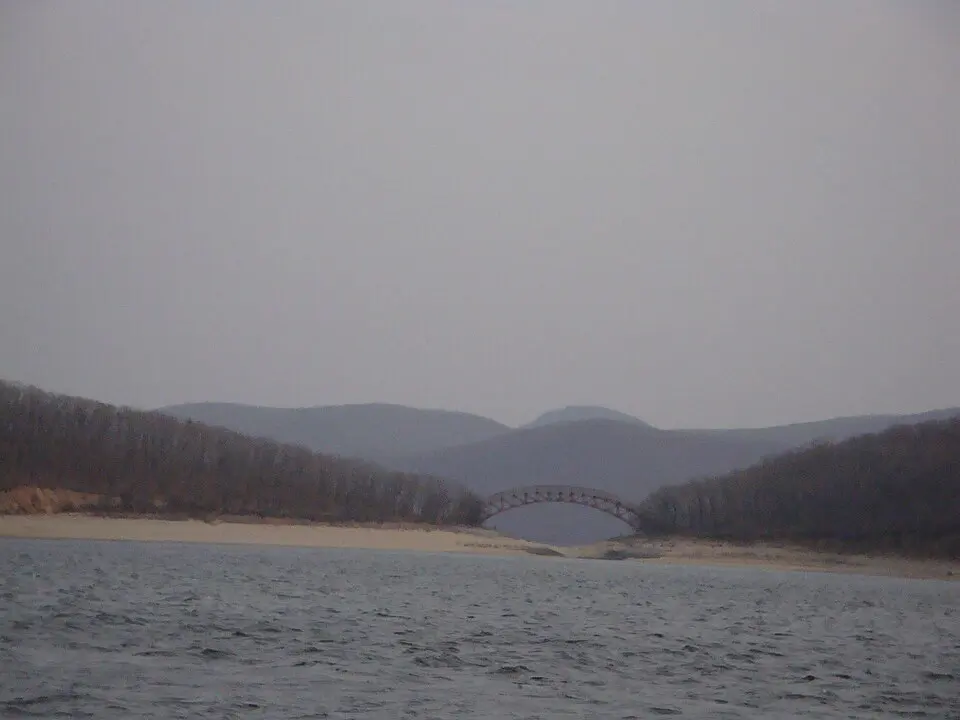

Season and Visual Direction. June–August for green woodland and open water; September–early October for autumn-colour planning. Confirm actual foliage timing. Winter is a different visual and operational brief rather than a substitute for summer lake views.
Food and Crew Catering. Book crew meals at the selected base and carry provisions for a longer shore or boat sequence. Confirm current catering service rather than depending on a seasonal lakeside outlet.
Commercial Filming. Confirm the working area, boat arrangements and access for commercial filming with the site. The lake is a landscape reference; water activity and exclusive shoreline use are separate production requirements.
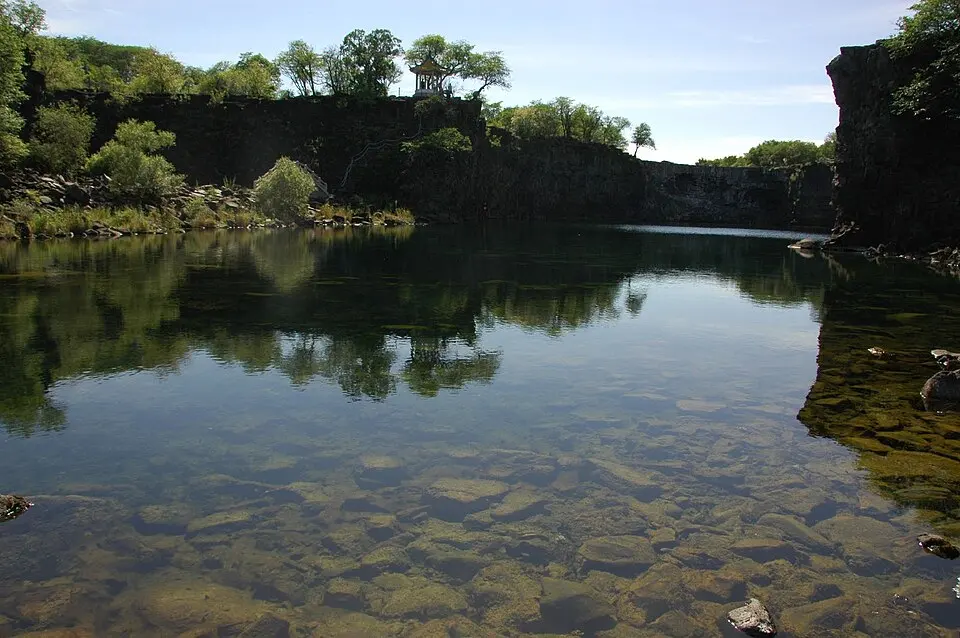

Planning references: transport or destination information · site and regional information. Check current notices before travel.
More Filming Location Guides
Compare different settings for your production:
- Grassland Filming Locations in China
- Desert and Rock Filming Locations in China
- Coastal and Island Filming Locations in China
- Best Mountain Locations in China for Filming and Photography
- River and Waterfall Filming Locations in China
- Rice Terraces and Rural Filming Locations in China
- Historic Towns and Villages for Filming in China
- Gardens and Heritage Architecture for Filming in China
- Wetland and Mudflat Filming Locations in China
- Forest and Bamboo Filming Locations in China
- Snow and Winter Filming Locations in China
- Karst and Canyon Filming Locations in China
For a broader shortlist, return to the 16 scenic locations in China overview.
Plan Your Location Shoot
Send the reference images, dates, crew size, camera package and intended scenes. Include any picture vehicle, talent, props, lighting, drone or boat requirement so the scout can assess the actual production rather than only the view.
Shoot In China can discuss location research, scouting, local crew, equipment and transport according to the brief. Contact [email protected] with the project details, or browse our production work.