



River and Waterfall Filming Locations in China
River and waterfall filming locations in China offer karst river views, broad cascades, Yellow River spray and stepped mineral pools. These six references help compare documentary locations, waterside lifestyle photography and natural-landscape commercials. Huanglong is included for its flowing channels and travertine pools rather than as a large river.
Choose the camera position and the desired water first. A riverbank scene, a boat sequence and a waterfall platform have different access and equipment needs. Water volume, spray, noise and visitor movement can matter as much as the scenery when selecting a production location.
See the 16-location landscape overview for more natural and cultural settings.
The photographs are credited location references, not examples of Shoot In China projects. Seasonal windows below are starting points for the desired look; current transport, parking and commercial access must be confirmed for the production dates.
1. Li River, Guilin and Yangshuo, Guangxi
The Li River offers karst hills, bamboo, moving boats and layered water views. It can suit river documentary filming, waterside lifestyle photography and a commercial needing a recognisable southern China landscape. Riverside and on-water setups need different plans.
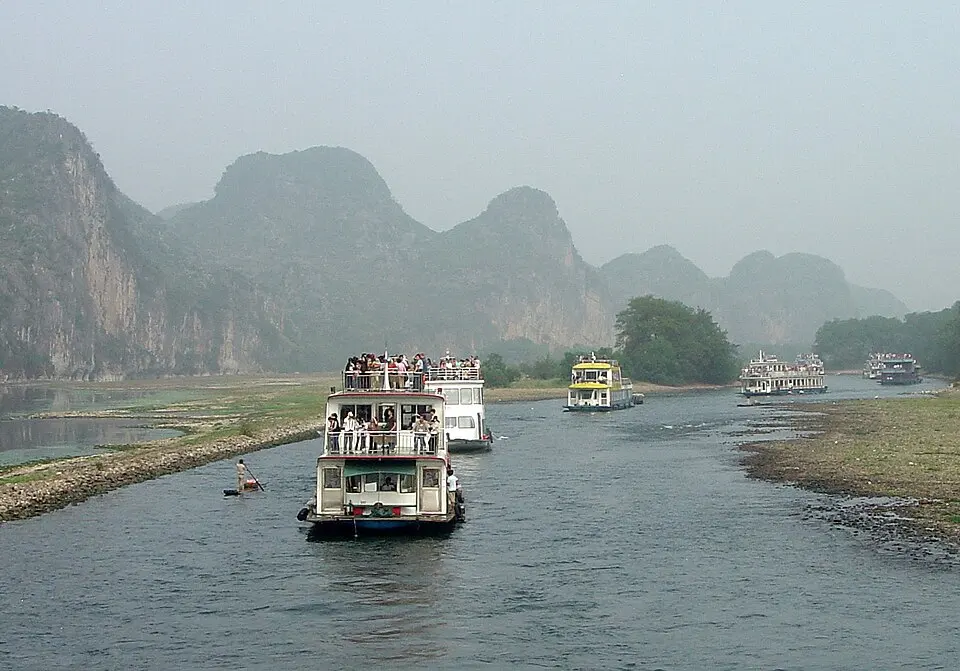

Getting There. Arrive through Guilin and choose the exact river section before arranging transport. The official scenic-area guide lists rail and road connections towards Xingping; match the station and landing point to the location.
Parking and Equipment Access. Confirm parking and the carry distance at the selected viewpoint or landing. A boat setup adds equipment loading and boarding time; a riverbank photo does not establish boat access for a crew.
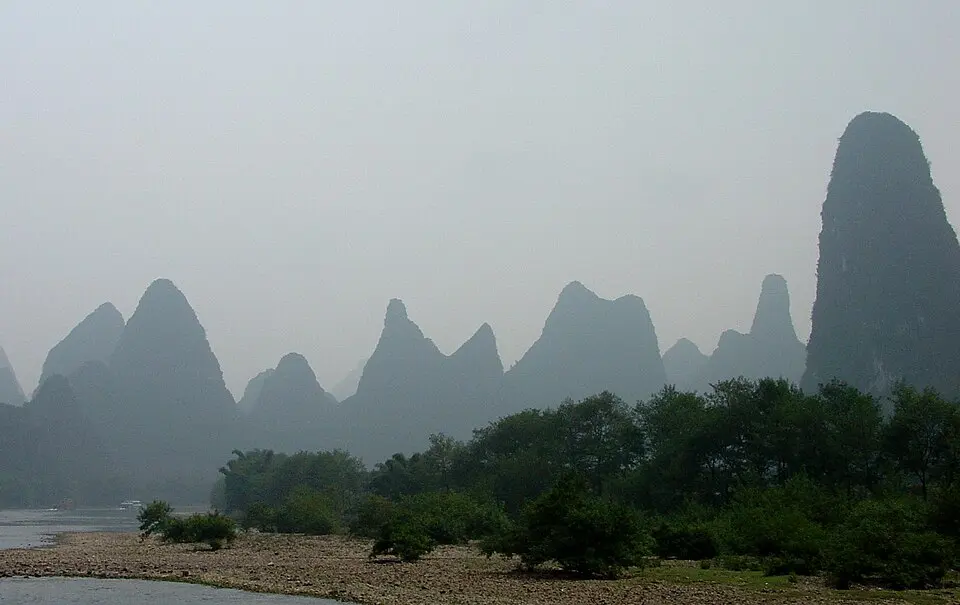

Season and Visual Direction. April–June for a mistier, greener visual direction, with more rain and changing water conditions. September–October can suit a clearer, more settled look. Confirm the river level and current operating notices.
Food and Crew Catering. Guilin, Yangshuo or Xingping can provide the meal base according to the selected section. For a boat sequence, arrange food and water before boarding and keep the return plan practical.
Commercial Filming. For riverside commercial filming, agree property access, boat use and contributors separately. A picture vehicle needs a separately approved road or hard-standing location, rather than a public landing used as an improvised set.
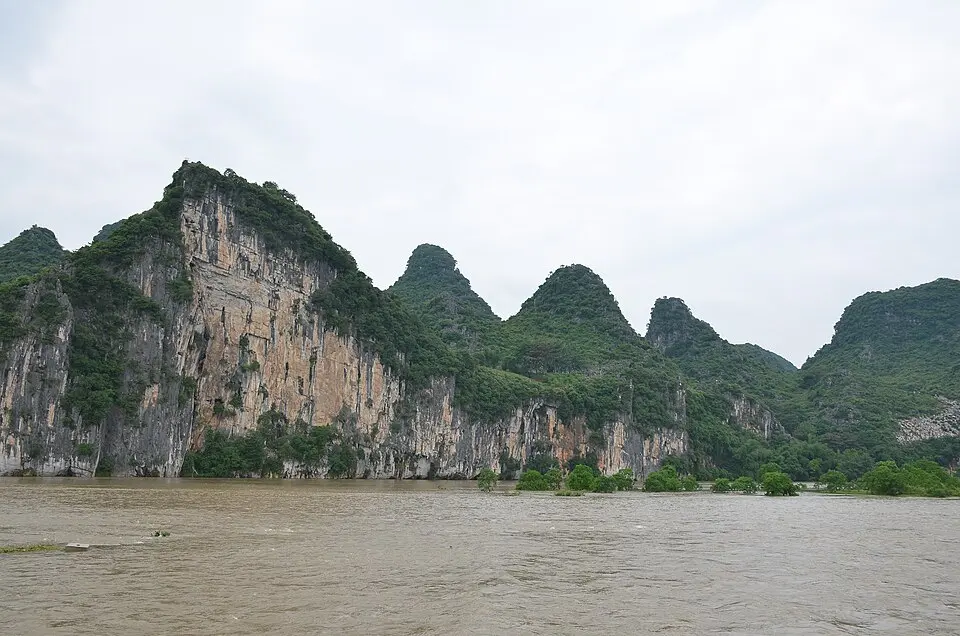

Planning references: transport or destination information · site and regional information. Check current notices before travel.
2. Detian Waterfall, Guangxi
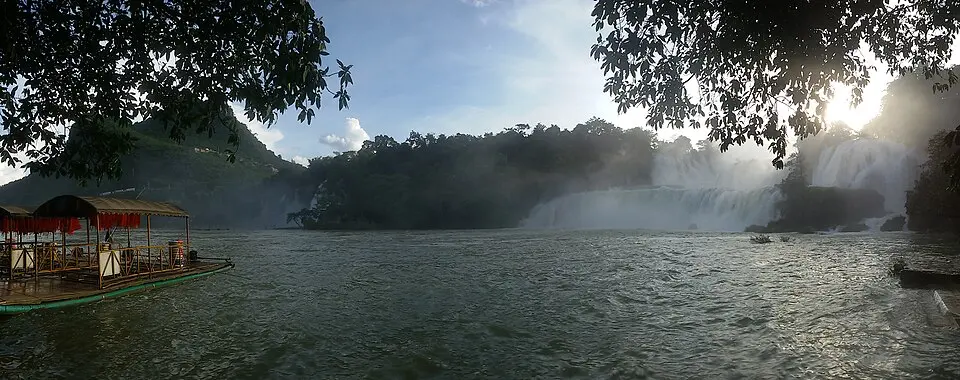
Detian and the adjoining Ban Gioc falls provide tiered water, vegetation and karst hills. They can form a reference for waterfall documentary locations and landscape commercial photography. The photographs show the wider shared landscape; choose the intended bank and viewpoint during planning.
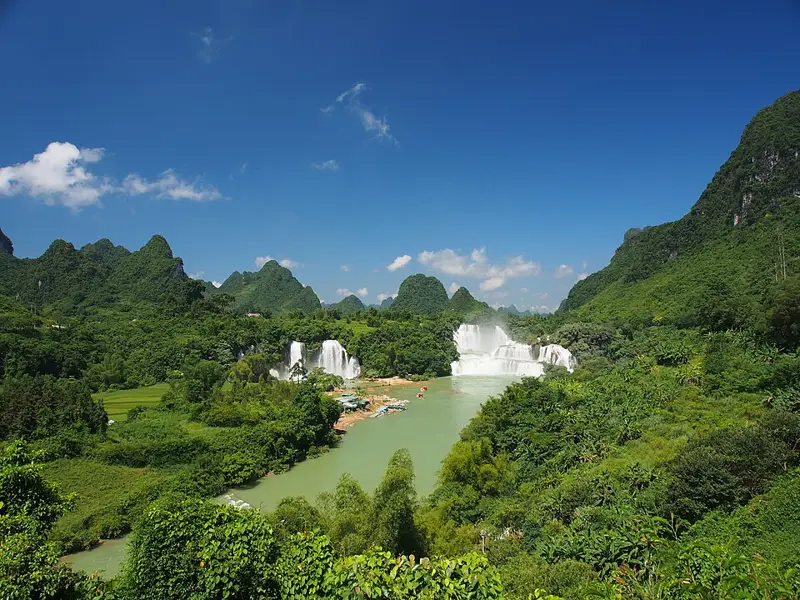

Getting There. Use Nanning or Chongzuo as the regional arrival base, then travel by road towards Daxin and the visitor centre for the chosen route. Confirm the current internal transfer before scheduling the camera call.
Parking and Equipment Access. Ask the operator to confirm the parking area, loading point and onward walking or transfer route. Allow for wet equipment handling and the distance between broad views and closer waterfall positions.
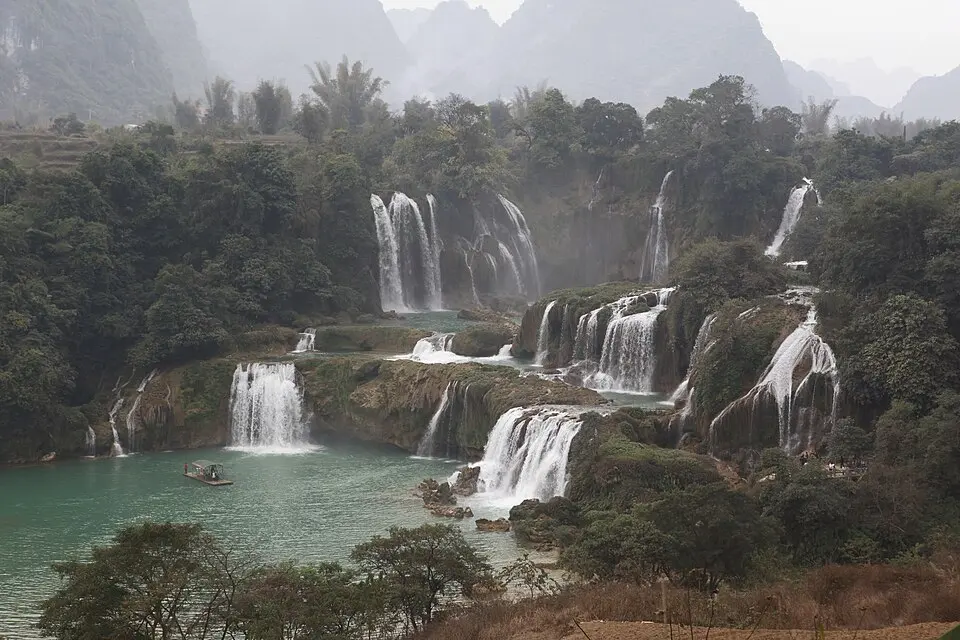

Season and Visual Direction. May–September is a starting window for a fuller-water, green-landscape brief, with rain and spray to consider. An autumn visit can offer a different balance of weather and water; check the actual flow.
Food and Crew Catering. Book meals through the overnight base or a confirmed local supplier. Carry water and a packed option when the camera route or transfer time makes a return to restaurants impractical.
Commercial Filming. Keep the China-side shoot and any cross-border itinerary separate. Confirm commercial filming with the relevant operator, including talent, lighting and any boat; visitor access does not include unplanned cross-border crew movement.

Planning references: transport or destination information · site and regional information. Check current notices before travel.
3. Jiuzhaigou Waterfalls, Sichuan
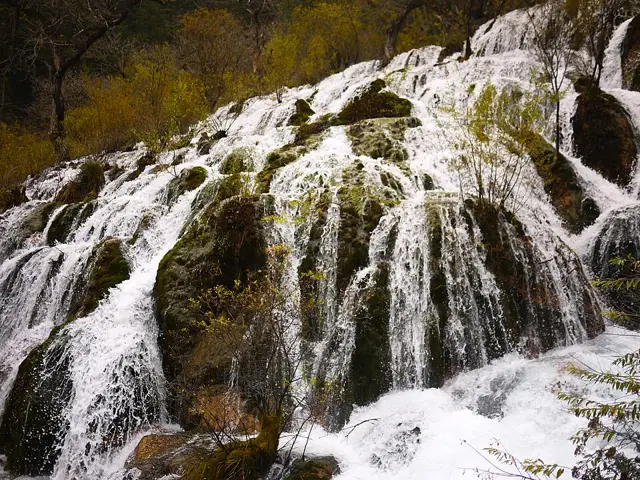
Pearl Shoals, Nuorilang and Shuzheng provide different waterfall shapes within Jiuzhaigou. This is a useful reference for forest-and-water documentary filming and outdoor photography, with each waterfall treated as its own setup rather than a single stop.
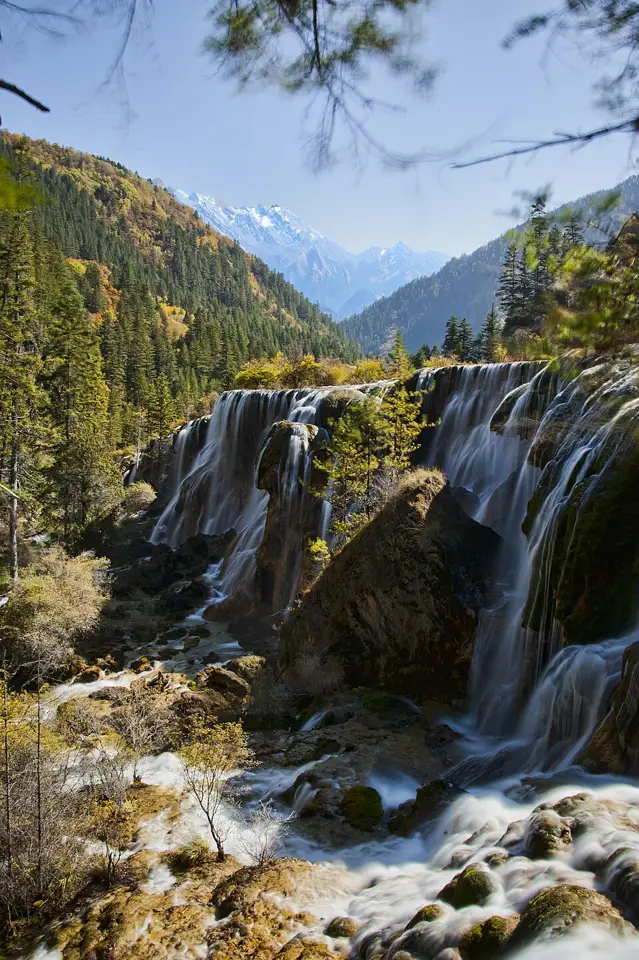

Getting There. Travel by rail to Huanglongjiuzhai station and continue by road towards Jiuzhaigou, or confirm a suitable flight and onward connection. The county lists current transport channels for station-to-scenic-area services.
Parking and Equipment Access. Use the entrance parking and managed sightseeing-bus network, then walk on authorised routes. Plan the camera package around boarding and steps, with enough time for transfers between waterfall areas.
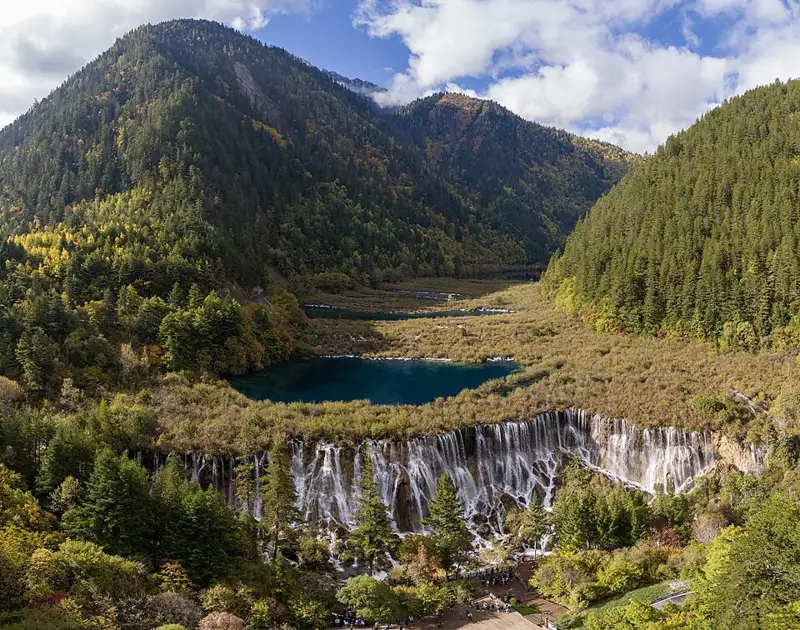

Season and Visual Direction. June–September for green woodland and flowing-water references; October for autumn-colour planning. Water, foliage and visitor numbers vary, so choose the image priority before fixing the date.
Food and Crew Catering. The official route guide identifies Nuorilang as a meal and transfer point. Confirm current service and timing; carry snacks and water so a camera sequence does not depend on an assumed restaurant opening.
Commercial Filming. Keep a commercial footprint compatible with the authorised route. Exclusive viewpoints, lights and talent require agreement; do not place props or equipment in water or on protected vegetation to obtain a different angle.

Planning references: transport or destination information · site and regional information. Check current notices before travel.
4. Huanglong, Sichuan
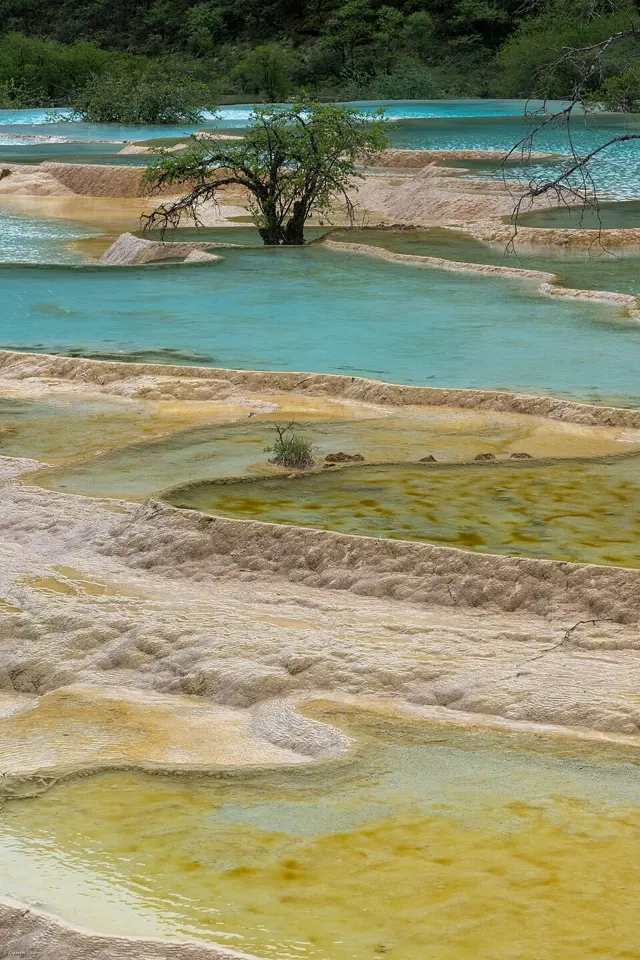
Huanglong adds stepped mineral pools and flowing travertine channels to this water-location guide. It is not a large river or a single broad waterfall. The shapes, colours and woodland can suit geological documentary filming and detailed landscape photography.
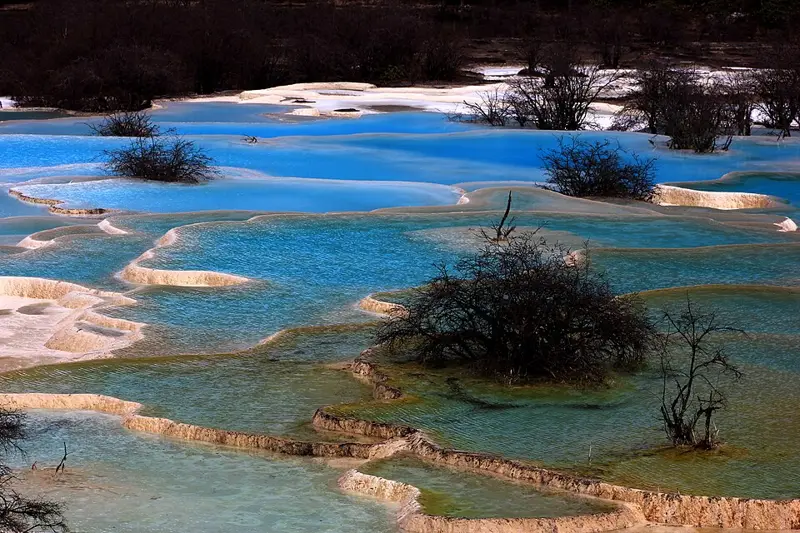

Getting There. Use Huanglongjiuzhai railway station or a confirmed regional flight, then continue by road to the Huanglong entrance. Choose this destination separately from Jiuzhaigou; the two parks are not one location.
Parking and Equipment Access. Confirm entrance parking and the current cableway, sightseeing transport and walking route. Steps and boardwalks affect equipment size, and a van cannot be assumed to reach the pool viewpoint.
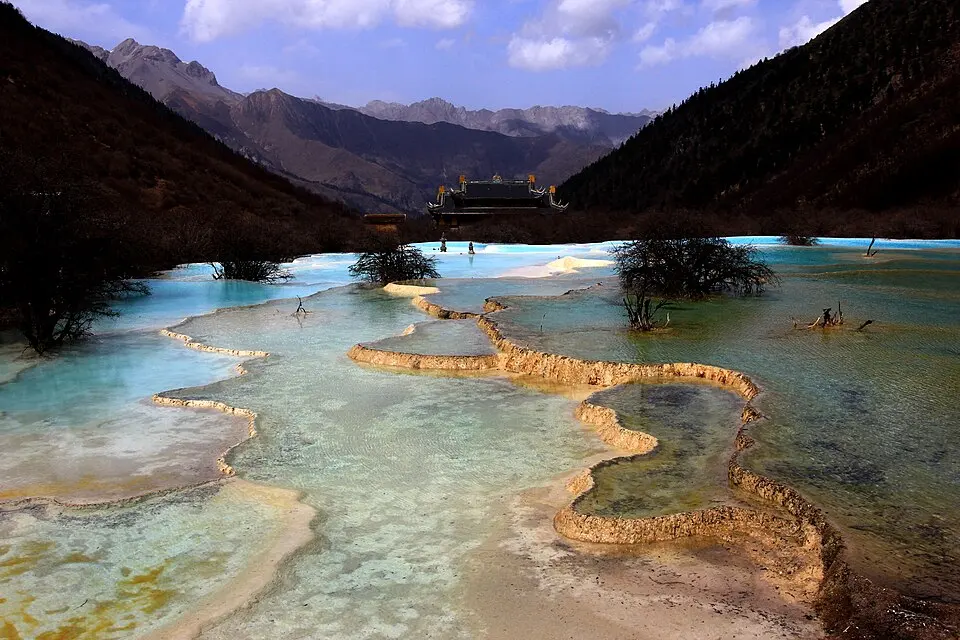

Season and Visual Direction. September–October is a starting window for coloured woodland around the pools. Summer provides a greener setting. Current water and weather conditions, rather than an archive image, determine the scene on the shoot day.
Food and Crew Catering. Arrange the main meal at the selected base and carry water and a packed option for the walking route. Check food service before allocating a short turnaround between locations.
Commercial Filming. Keep people and equipment on permitted surfaces. A production seeking lifestyle scenes should assess whether the visitor route can accommodate talent and a small setup; standing in or decorating the pools is not a suitable plan.

Planning references: transport or destination information · site and regional information. Check current notices before travel.
5. Hukou Waterfall, Shanxi and Shaanxi
Hukou provides the Yellow River’s strong flow, spray and exposed riverbed texture. It can fit river documentary locations and landscape commercial photography with a very different palette from the green southern waterfalls. Reference views may be from different banks.
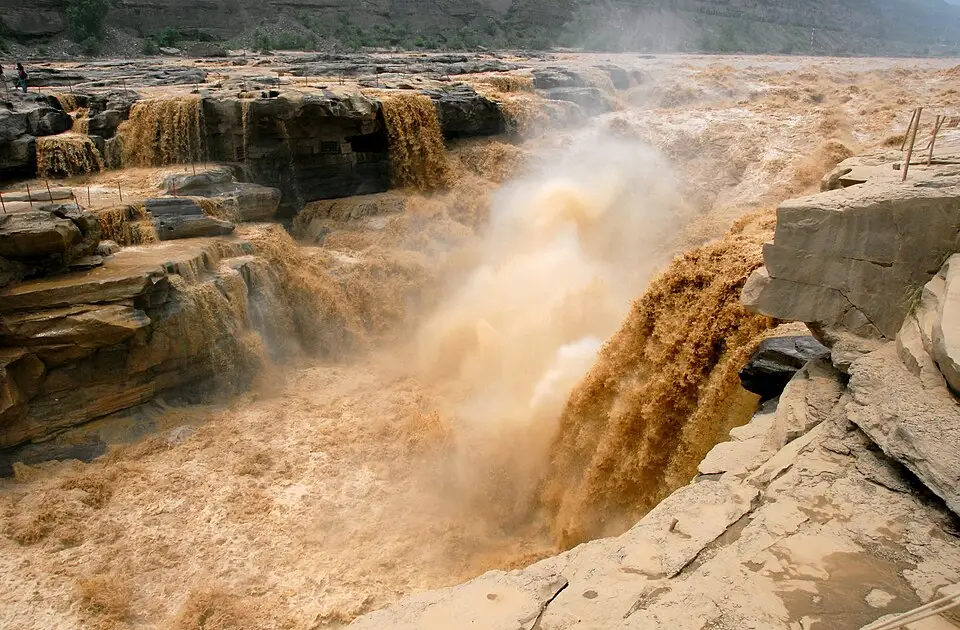

Getting There. Choose the Shanxi or Shaanxi bank before booking transport. For the Shanxi approach, use the Linfen and Ji County side; do not assume a drop-off on one bank gives quick access to a viewpoint on the other.
Parking and Equipment Access. Use the selected operator’s visitor parking and authorised approach. Confirm unloading and walking distances, and check whether spray or temporary closure affects the chosen platform.
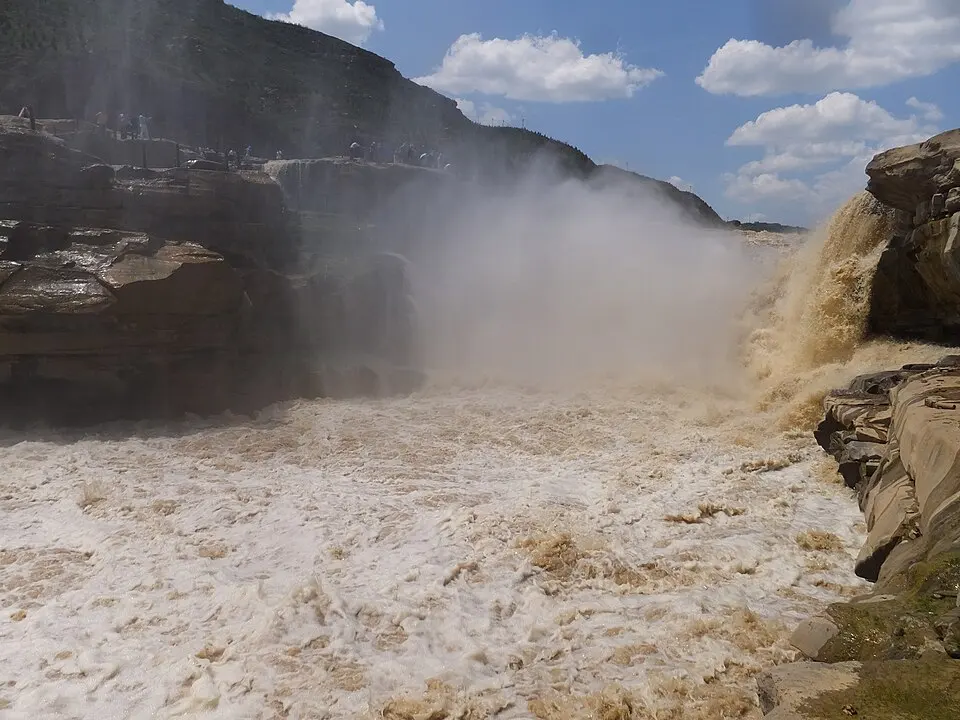

Season and Visual Direction. April–May or September–October are starting windows for spring or autumn river imagery. Flow and access depend on upstream conditions and current notices; larger water volume does not automatically mean better or safer filming access.
Food and Crew Catering. Arrange meals in Ji County, Yichuan or the overnight base according to the chosen bank. Carry water and a packed alternative if the camera schedule follows a narrow light window.
Commercial Filming. Define static scenic photography separately from a commercial involving people or large equipment. Confirm the working area and protect equipment from spray; riverbed access and drones require their own checks.
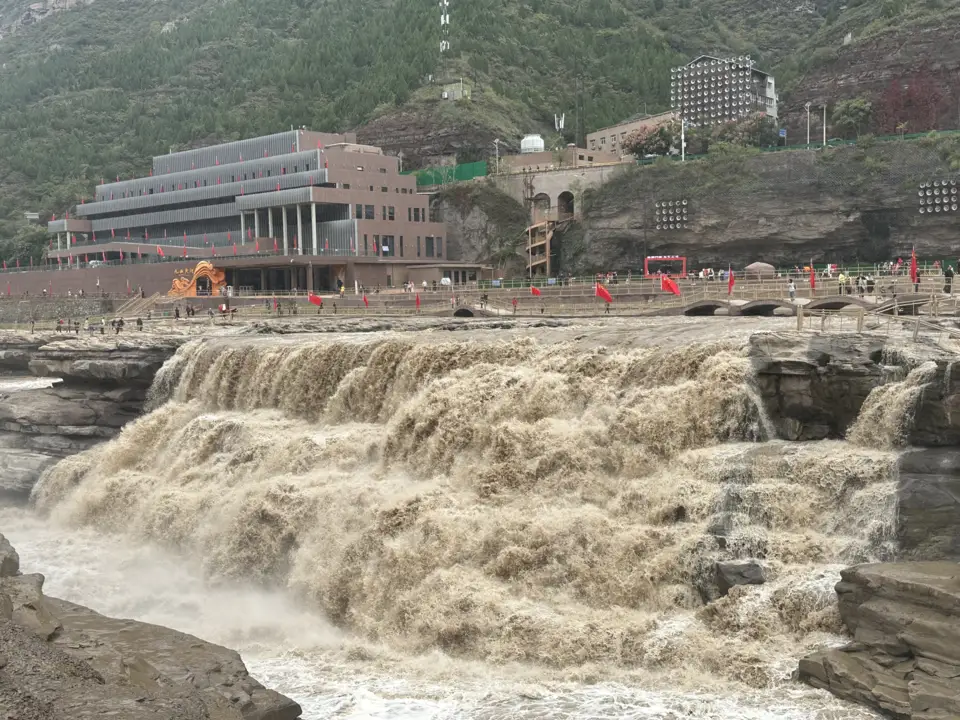

Planning references: transport or destination information · site and regional information. Check current notices before travel.
6. Huangguoshu Waterfall, Guizhou
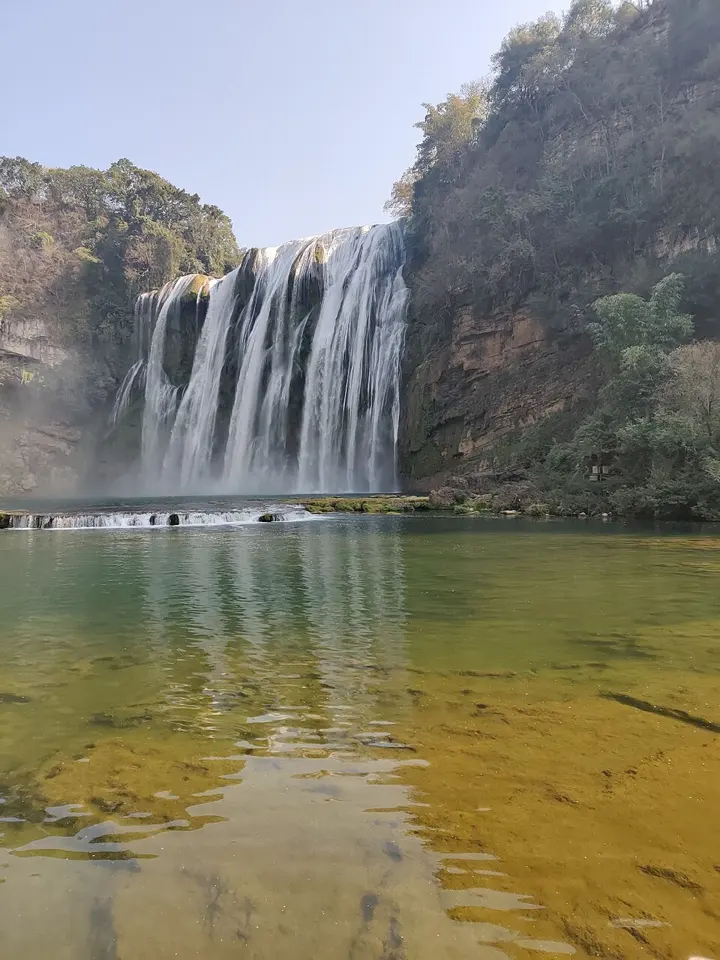
Huangguoshu offers a broad waterfall framed by vegetation and managed visitor routes. It can suit natural-landscape commercials, waterfall photography and a documentary brief focused on water and geology. Night-tour lighting is a different visual from a daytime natural scene.
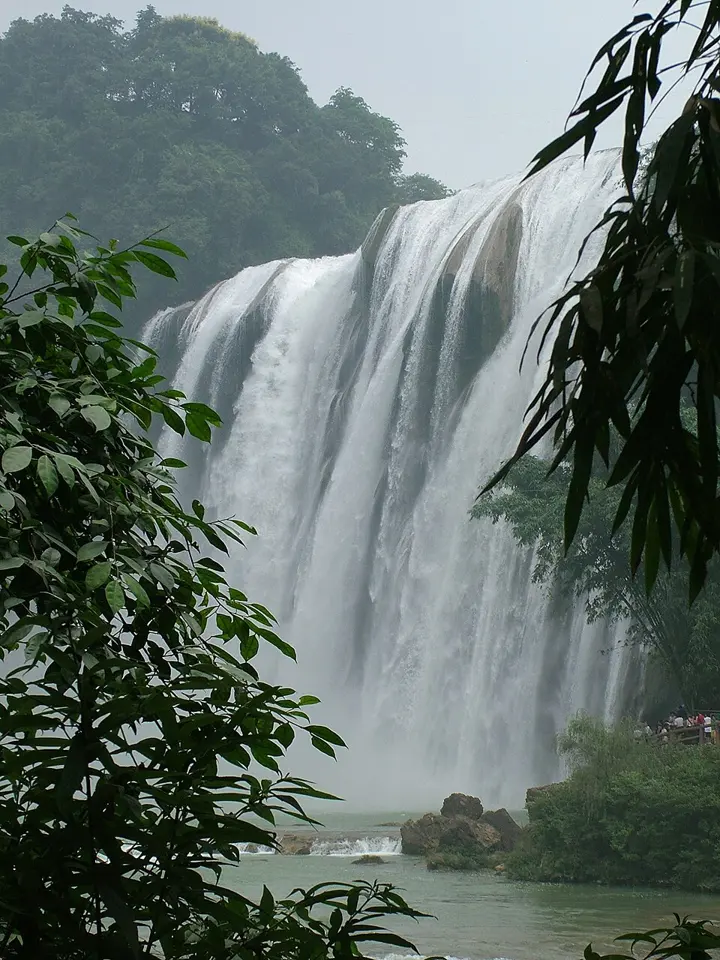

Getting There. Use Guiyang or Anshun as the regional arrival base, then plan the road connection to the correct visitor centre. Confirm any railway-station transfer and the current sightseeing-vehicle route before booking the crew call.
Parking and Equipment Access. Official visitor guidance describes parking outside the core area and onward sightseeing transport. Scout the walk and steps from the authorised stop; do not plan on bringing the production van to the waterfall.
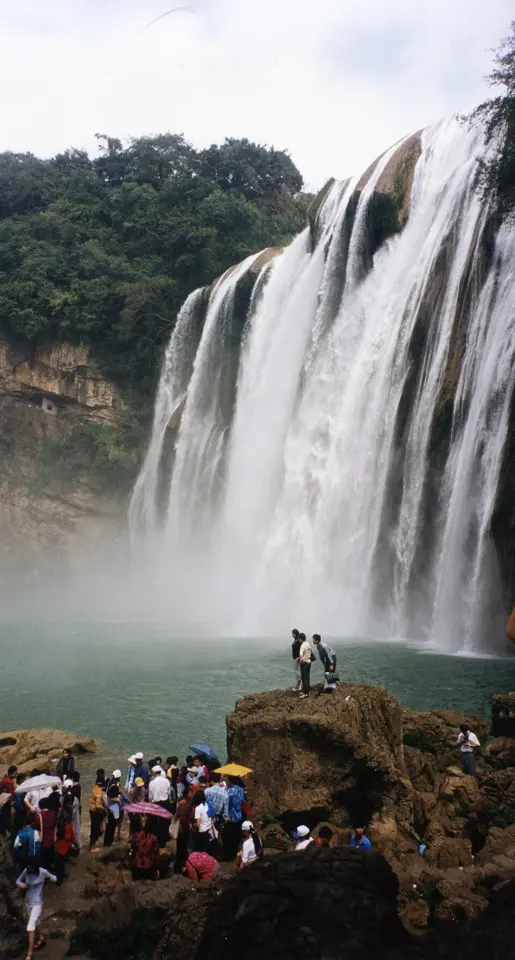

Season and Visual Direction. May–September is a starting window for a fuller-water and green-vegetation look, with rain, spray and possible access changes. A quieter-season reference may have less water, so match the month to the intended image.
Food and Crew Catering. Arrange meals at the base or a confirmed visitor-service point. Carry water and backup food for longer internal transfers, and allow the crew time to dry and protect equipment between setups.
Commercial Filming. For a waterfall commercial, confirm working space, lights and talent with the operator. A visitor ticket does not reserve a platform or stop other guests; agree any controlled working period before promising an empty frame.

Planning references: transport or destination information · site and regional information. Check current notices before travel.
More Filming Location Guides
- Grassland Filming Locations in China
- Desert and Rock Filming Locations in China
- Coastal and Island Filming Locations in China
- Best Lake Filming Locations in China
- Best Mountain Locations in China for Filming and Photography
- Rice Terraces and Rural Filming Locations in China
- Historic Towns and Villages for Filming in China
- Gardens and Heritage Architecture for Filming in China
- Wetland and Mudflat Filming Locations in China
- Forest and Bamboo Filming Locations in China
- Snow and Winter Filming Locations in China
- Karst and Canyon Filming Locations in China
Plan Your Location Shoot
Send the reference images, dates, crew size, camera package and intended scenes. Include any picture vehicle, talent, props, lighting, drone or boat requirement so the scout can assess the actual production rather than only the view.
Shoot In China can discuss location research, scouting, local crew, equipment and transport according to the brief. Contact [email protected] with the project details, or browse our production work.