



Wetland and Mudflat Filming Locations in China
Reed beds, highland shallows and tidal mudflats share an open horizon but have very different textures. These three wetland and mudflat filming locations in China introduce the landscape through water, vegetation, light and seasonal change, with practical notes for reaching the public viewing areas.
Explore the 16-location landscape overview for more scenery across China.
1. Zhalong Wetland, Heilongjiang
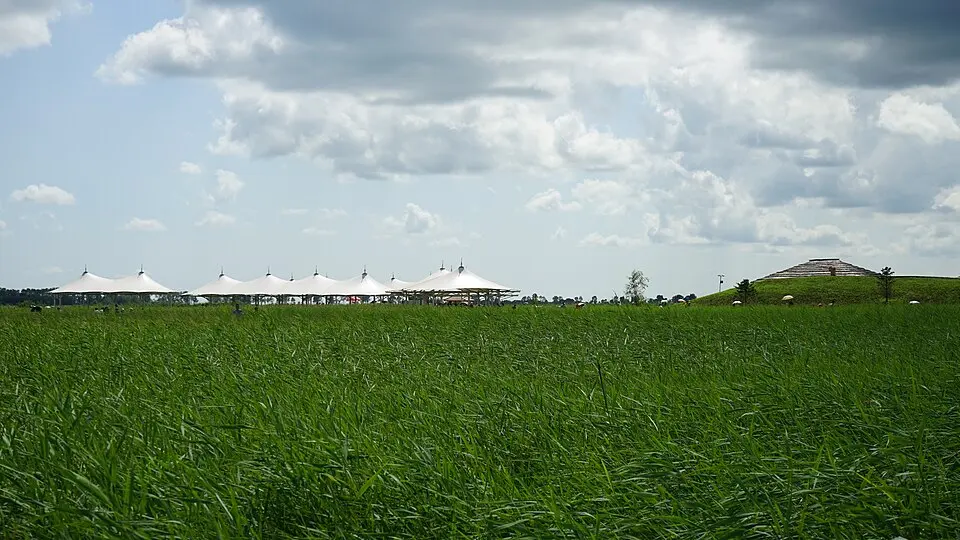
Zhalong is a broad reed wetland near Qiqihar, with shallow water, pools and a low horizon. Reeds form long bands of colour, while open channels and reflections create quieter details within the larger landscape.
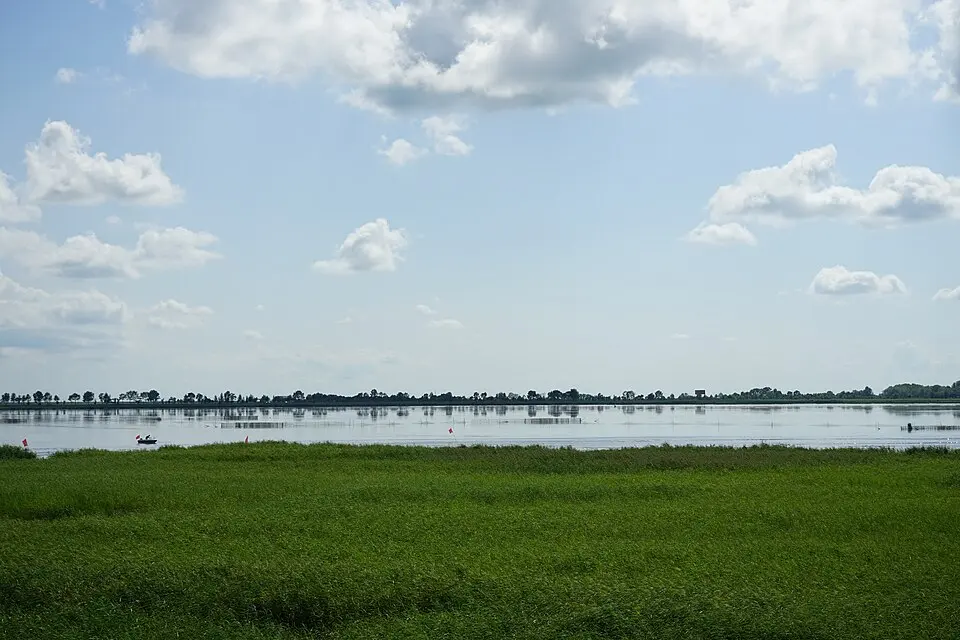

The scenery is seasonal rather than fixed: summer reeds are green, autumn is more golden, and winter changes the wetland again. Birds are part of this environment, but their presence and position cannot be promised for a visit.
Getting There. Arrive in Qiqihar by air or rail and continue by road to the designated Zhalong visitor area. Confirm the return journey and the currently open visitor routes before departure.
Parking. The visitor area has parking facilities reported by the provincial authorities. Use the official parking and internal routes rather than attempting to drive along wetland margins. Check current arrangements locally.
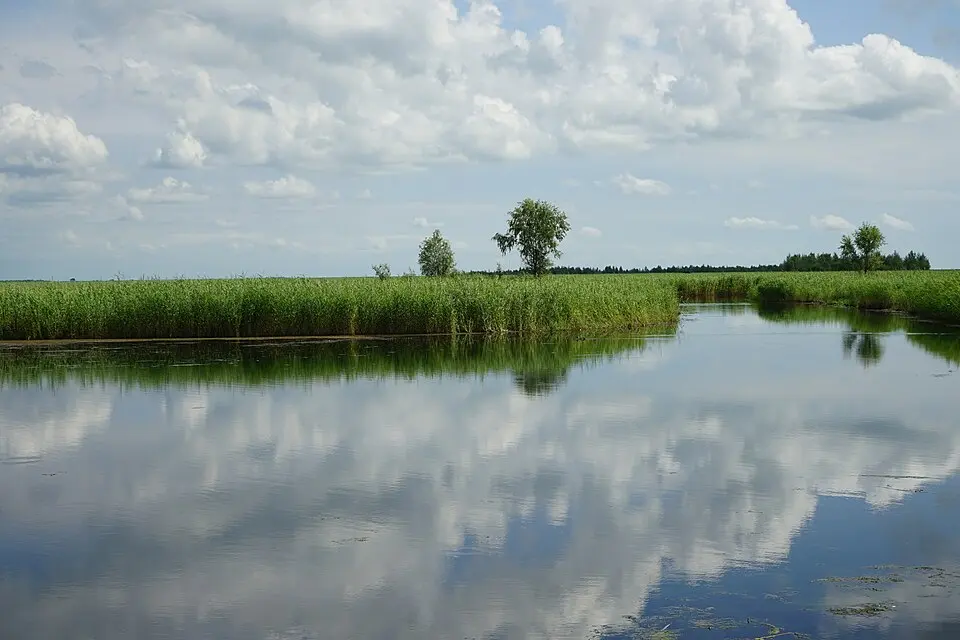

Season. Late spring through summer is a starting point for greener reed beds; autumn gives warmer reed colours. The best choice depends on the desired landscape. Winter access and conditions need a separate check.
Food and Dining. Qiqihar is the most dependable base for arranging meals and supplies. If spending most of the day at the wetland, confirm on-site food availability in advance and bring drinking water.

2. Caohai Wetland, Weining, Guizhou
Caohai is a highland wetland beside Weining, with shallow water, aquatic vegetation and open views towards the surrounding land. Its low, spacious horizon gives a different impression from the enclosed mountain lakes elsewhere in this series.
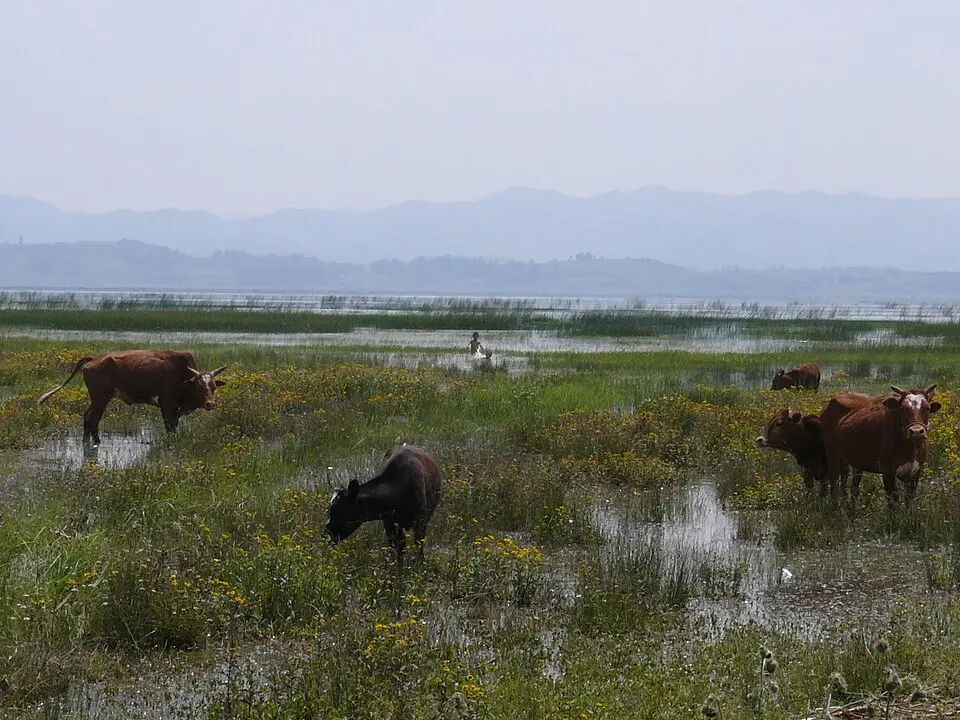

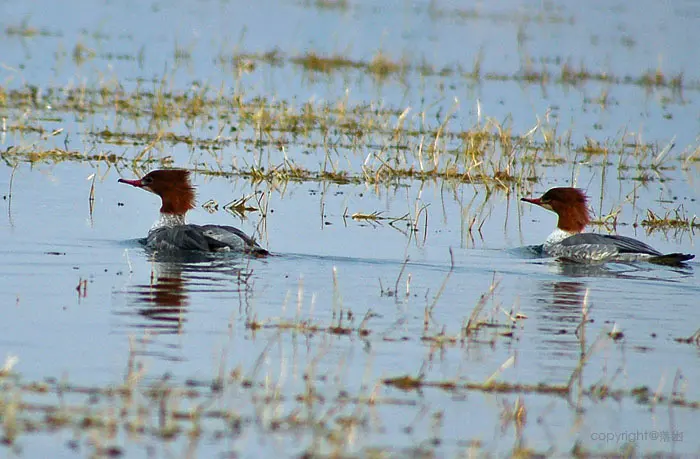
The balance of water, vegetation and exposed margins changes with season and water conditions. Wintering birds can become part of the distant scene, while the warmer months show more vegetation and a different colour palette.
Getting There. Use Weining as the local base and arrange a road connection to an authorised viewing area. Check the complete rail or road route before travel; the wetland name alone is not enough to identify a station or access point.
Parking. Confirm which public viewing entrance is open and where parking is permitted. Access to one boardwalk or viewing area does not mean the entire shoreline is open. Boat access is not assumed in this guide.
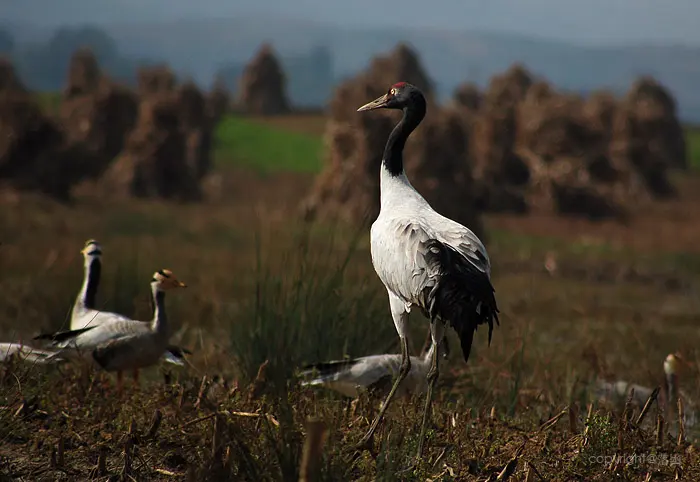

Season. Winter is a useful starting point for the open-water and wintering-bird setting. Warmer months bring greener vegetation. Current viewing access, water conditions and local conservation notices take priority over an older travel description.
Food and Dining. Arrange meals in Weining before or after the visit. For an early departure, confirm breakfast with the accommodation; do not rely on food service at a particular wetland edge.

3. Xiapu Mudflats, Fujian
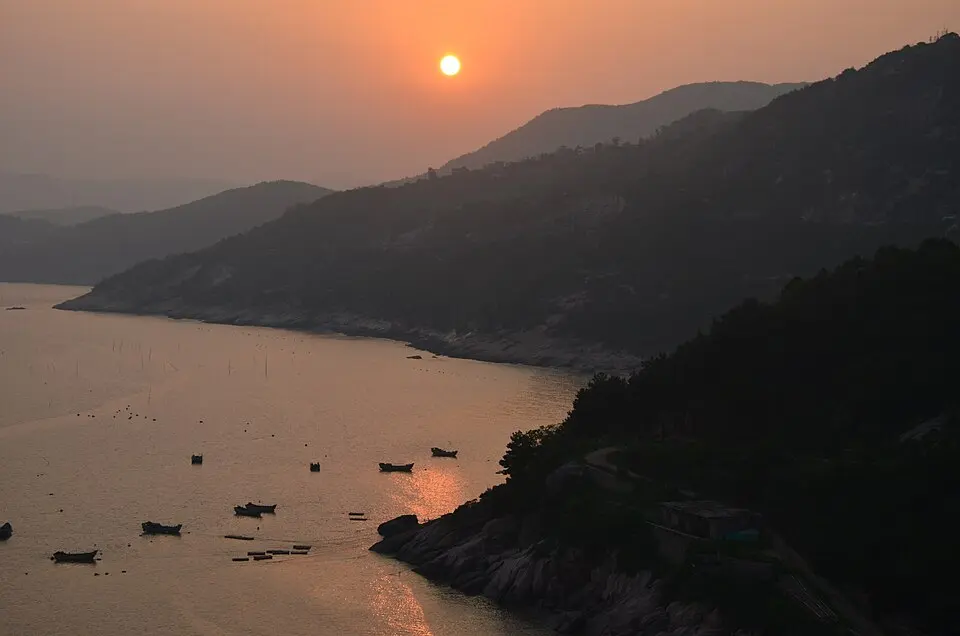
Xiapu has a working coastal landscape of tidal flats, channels, boats and aquaculture structures. As the tide changes, the same view can shift from exposed patterns in mud to a reflective surface broken by poles and distant islands.
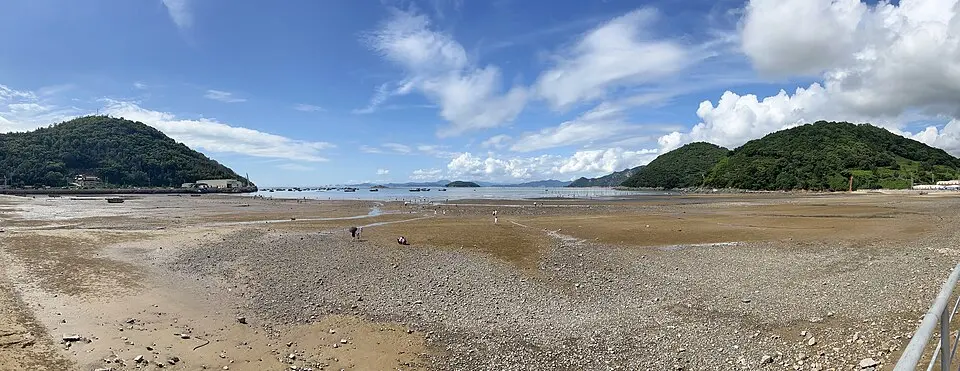

Beiqi and other named viewpoints have different directions and foregrounds. The important variables are the exact tide, light and current structures in the water, rather than the county name or a promise of one permanent postcard view.
Getting There. Travel by rail to Xiapu and arrange road transfers to the selected viewpoints. They are dispersed along the coast, so plan the route around the desired light and the tide for that date.
Parking. Ask a local driver or accommodation to confirm parking at the selected village or viewpoint. Allow for a walk on narrow or uneven paths. Do not treat exposed mud as a public walking route.
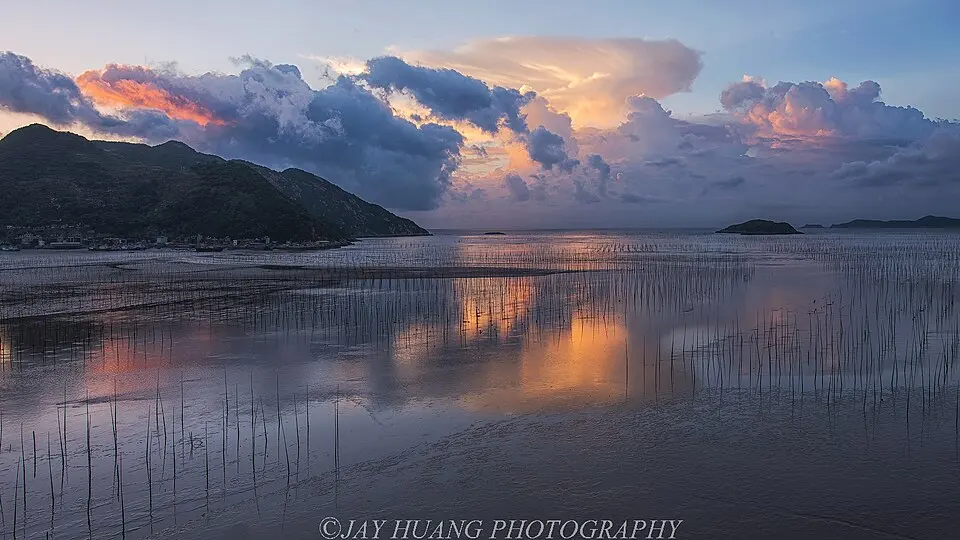

Season. Spring and autumn are useful starting periods for comparing coastal light and working-waterfront patterns. Autumn seaweed activity can change the appearance of Beiqi. Tide timing and the actual weather matter more than a general seasonal label.
Food and Dining. Xiapu town is a practical dining base, with additional options in developed coastal villages. Confirm meal times around early starts; discuss seafood allergies or other dietary needs when ordering.

More Location Guides
- Grassland Filming Locations in China
- Desert and Rock Filming Locations in China
- Coastal and Island Filming Locations in China
- Best Lake Filming Locations in China
- Best Mountain Locations in China for Filming and Photography
- River and Waterfall Filming Locations in China
- Rice Terraces and Rural Filming Locations in China
- Historic Towns and Villages for Filming in China
- Gardens and Heritage Architecture for Filming in China
- Forest and Bamboo Filming Locations in China
- Snow and Winter Filming Locations in China
- Karst and Canyon Filming Locations in China
These credited photographs are location references, not examples of Shoot In China projects. Seasonal descriptions are general guides. Confirm current opening, access and transport arrangements for the intended travel dates.