



Forest and Bamboo Filming Locations in China
Bamboo groves, conifer-covered valleys and woodland paths offer very different views of China. This selection of forest filming locations in China introduces four areas through the shape of the landscape, the light beneath the canopy and the way the scenery changes with the season.
Explore the 16-location landscape overview for more scenery across China.
1. Shunan Bamboo Sea, Sichuan
Bamboo-covered hills fill the horizon at Shunan, while the paths below pass between closely spaced green stems. From above, the canopy reads as a continuous surface; inside the groves, the view becomes a sequence of vertical lines, filtered light and shaded ground.
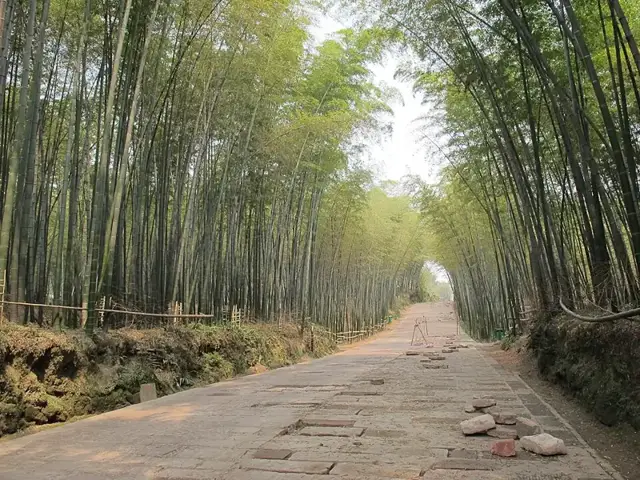

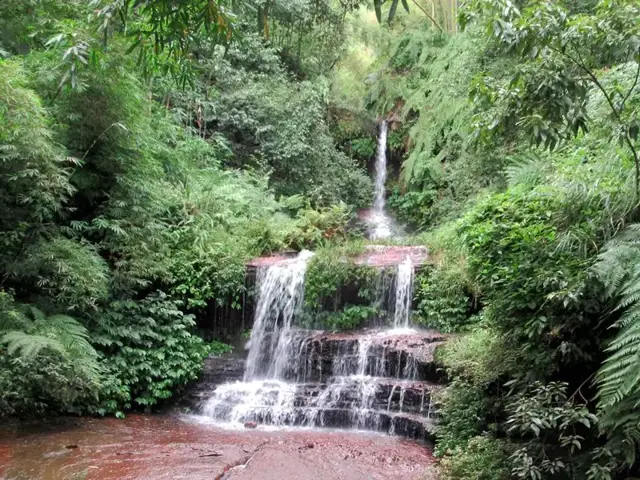
The Emerald Corridor and Wangyou Valley show different sides of this landscape. One brings the bamboo close to the path, while the other adds streamside shade and changes in ground level. Mist can soften the distant ridges, but it is a weather-dependent version of the scene.
Getting There. Use Yibin as the main regional gateway, then continue by road towards the Shunan Bamboo Sea visitor entrance. Check current rail connections to Changning when comparing arrival options. Decide on the exact entrance and overnight base before arranging the last transfer.
Parking. Use designated visitor parking and check the current rules for entering by car. The operator has used vehicle reservations and visitor-centre transfers during busy periods; do not assume a private car can reach every viewpoint.
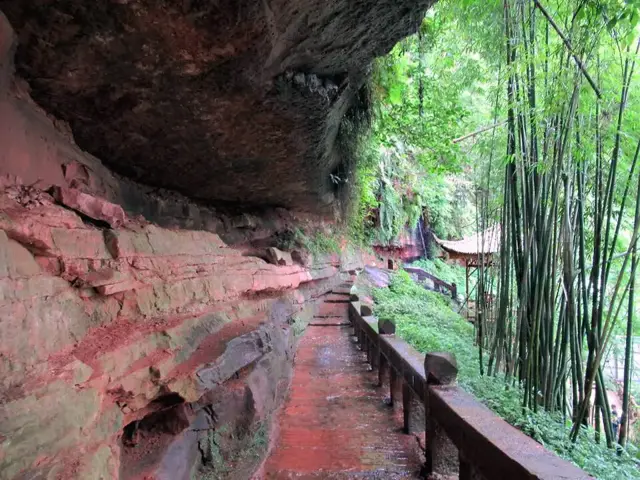

Season. Spring brings fresh bamboo growth, while summer has a full green canopy and more humid conditions. Autumn can offer comfortable walking weather. Bamboo remains green beyond these periods, so the desired light and recent rain matter as much as the month.
Food and Dining. Restaurants and guesthouses around the developed visitor areas are practical meal stops. Bamboo-shoot dishes are a local option; check the menu, opening hours and dietary requirements with the chosen restaurant.

2. Anji Bamboo Forests, Zhejiang
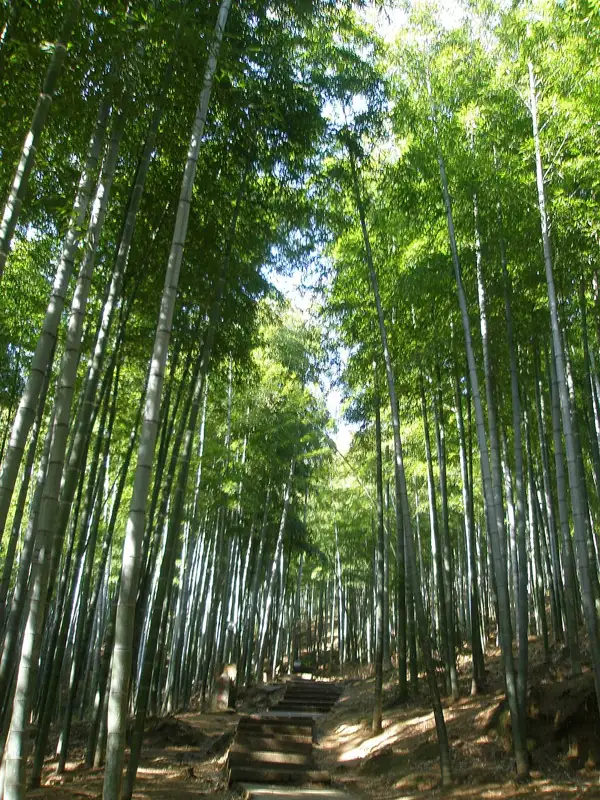
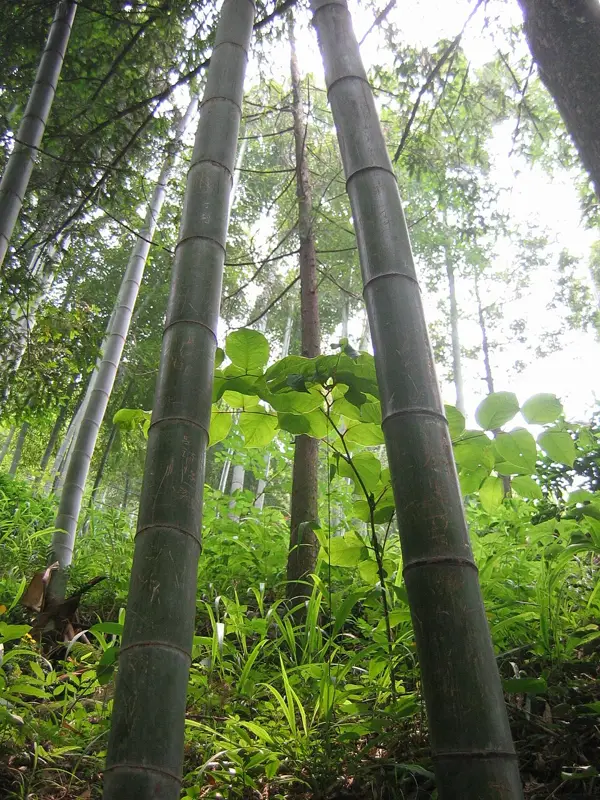
Anji has bamboo-covered slopes where slender stems, narrow paths and overlapping leaves create a close, enclosed landscape. Looking uphill emphasises the height of the bamboo; looking through the grove reveals smaller layers of light and shade.
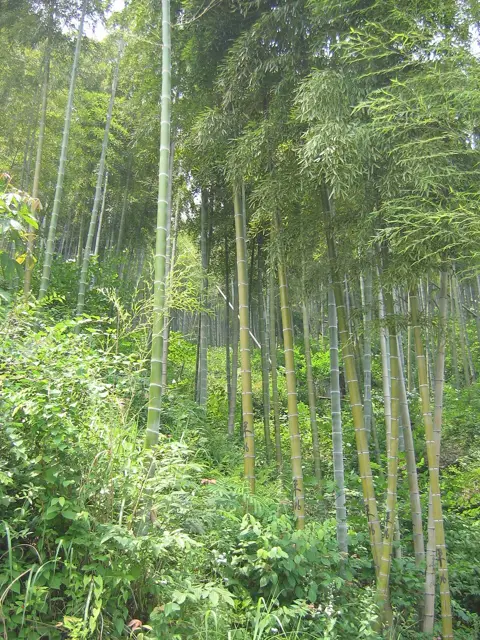

The photographs here are references from the Anji bamboo landscape, rather than a promise that every view lies on the same visitor route. China Great Bamboo Sea near Wuhe village is one named area to consider when choosing a specific destination.
Getting There. Approach through Hangzhou or Huzhou, or check rail services to Anji and arrange the onward road journey. Anji station, the county centre and the bamboo attractions are different places; send the exact attraction entrance to the driver.
Parking. Map listings identify visitor parking at China Great Bamboo Sea. Confirm the correct car park, current opening arrangements and the walk to the selected grove. Paths and viewing platforms can include slopes and steps.

Season. Late spring and early summer are useful starting points for fresh growth and a bright green canopy. Autumn can be more comfortable for walking. Rain darkens the stems and ground, while clear midday sun creates stronger patches of contrast.
Food and Dining. Arrange meals in the county town, Tianhuangping area or with the selected guesthouse. Local restaurants can offer bamboo-shoot dishes when available; confirm service times before setting out for an early walk.

3. Lulang Forest, Tibet
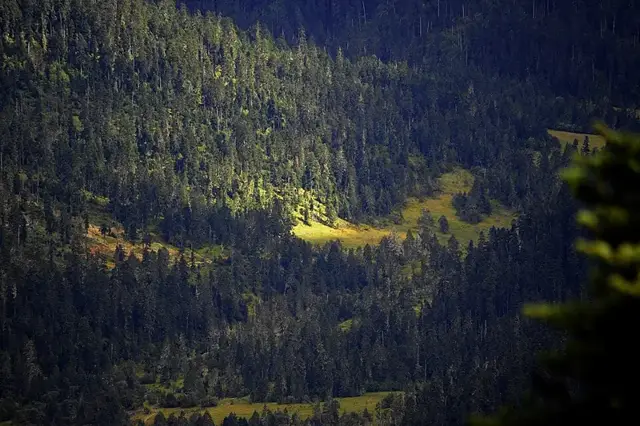
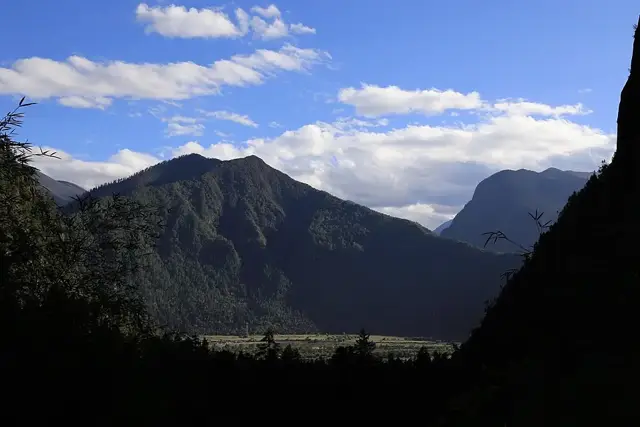
Lulang is a broad mountain-valley landscape of conifers, wooded slopes and more open meadow areas. The trees appear in successive bands across the hills, with clouds sometimes moving between the ridges and changing the depth of the view.
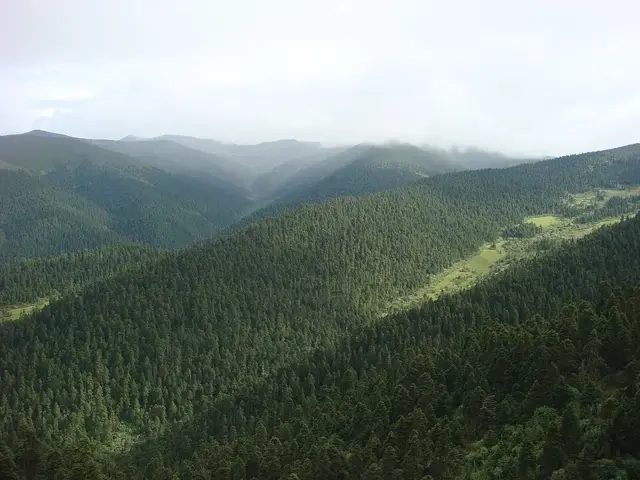

The appeal is the relationship between the forest and the open valley. A clear view reveals the hillside structure; mist can hide the far side almost completely. The reference photographs show these different conditions rather than one fixed appearance.
Getting There. Arrive through Nyingchi and arrange the road connection towards Lulang along the regional mountain route. Choose between a high forest viewpoint and a village or valley stop before booking transport; they involve different positions and walking requirements.
Parking. Use established viewpoint or village parking. Confirm the exact stop with the driver rather than stopping on a bend of the through road. Weather and road conditions can change the practical approach.

Season. Summer provides greener meadows around the evergreen forest, while autumn can add colour in the mixed vegetation. Snow changes the distant ridges and access conditions in colder periods. Check current mountain weather and applicable travel arrangements before fixing dates.
Food and Dining. Lulang town is a useful meal base. Stone-pot chicken is a documented local speciality and can be ordered as a meal rather than treated as an activity in the landscape; check ingredients and opening hours with the restaurant.

4. Changbai Mountain Forests, Jilin
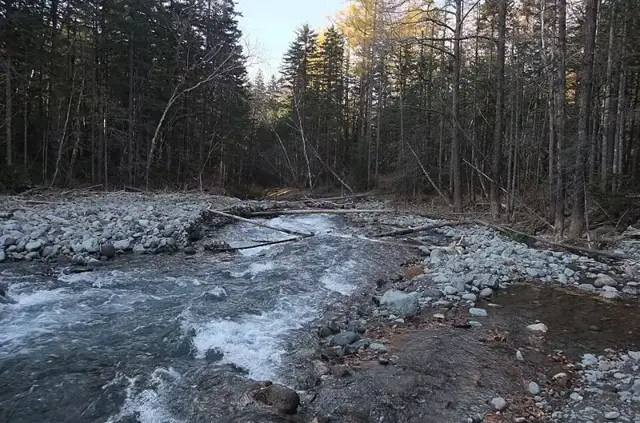
The lower slopes of Changbai Mountain have a more enclosed character than the familiar summit-lake views. Tall trunks, fallen timber, undergrowth and streams create a landscape that is experienced from within the trees as much as from a distant viewpoint.
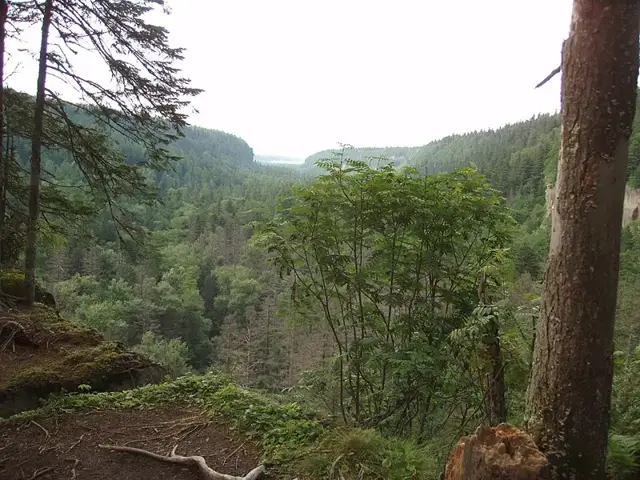

The Underground Forest, also called the Valley Forest, is one named forest area in the northern scenic route. The photographs also show the wider Changbai forest setting; individual forest views should not be assumed to share the same entrance.
Getting There. For the northern approach, check rail connections to Changbaishan station and continue towards Erdaobaihe and the designated visitor transfer point. Confirm whether the chosen forest walk is included in the currently open route.
Parking. Leave the vehicle at the authorised visitor parking or transfer point and follow the managed transport and walking arrangements. The northern, western and other approaches are separate routes, so parking at one does not provide access to all forest areas.
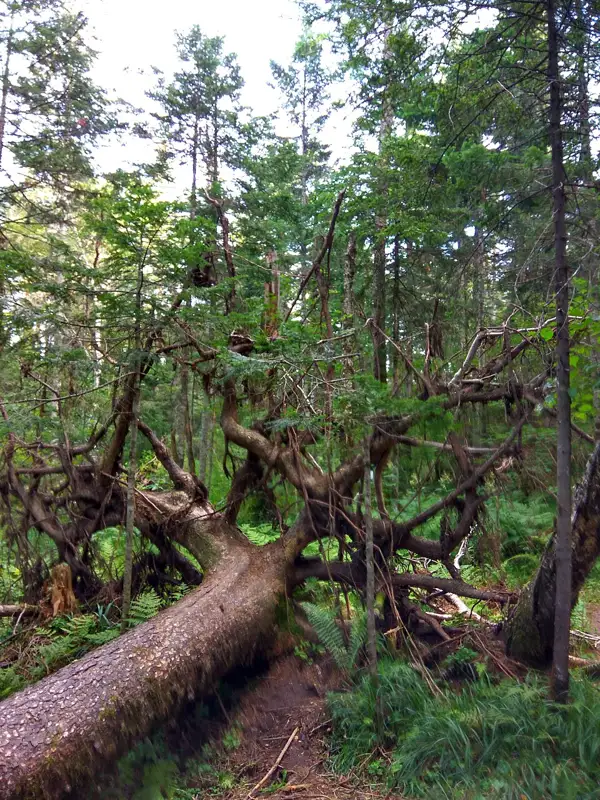

Season. Summer brings the fullest green undergrowth. September and early autumn can add colour before leaf fall, with timing changing by elevation and year. Winter is a different landscape and is covered separately in the snow guide.
Food and Dining. Erdaobaihe is a practical place for meals before or after the northern route. Carry water and a simple food option for the walk, and check which visitor-service points are operating on the selected date.

More Location Guides
- Grassland Filming Locations in China
- Desert and Rock Filming Locations in China
- Coastal and Island Filming Locations in China
- Best Lake Filming Locations in China
- Best Mountain Locations in China for Filming and Photography
- River and Waterfall Filming Locations in China
- Rice Terraces and Rural Filming Locations in China
- Historic Towns and Villages for Filming in China
- Gardens and Heritage Architecture for Filming in China
- Wetland and Mudflat Filming Locations in China
- Snow and Winter Filming Locations in China
- Karst and Canyon Filming Locations in China
- Highland Valley Filming Locations in China
These credited photographs are location references, not examples of Shoot In China projects. Seasonal descriptions are general guides. Confirm current opening, access and transport arrangements for the intended travel dates.