



Snow and Winter Filming Locations in China
Snow, river mist and rime change both the colour and the scale of a landscape. These winter filming locations in China introduce three northern settings through their scenery and seasonal appearance, with practical notes on reaching the viewing areas and arranging a winter stay.
Explore the 16-location landscape overview for more scenery across China.
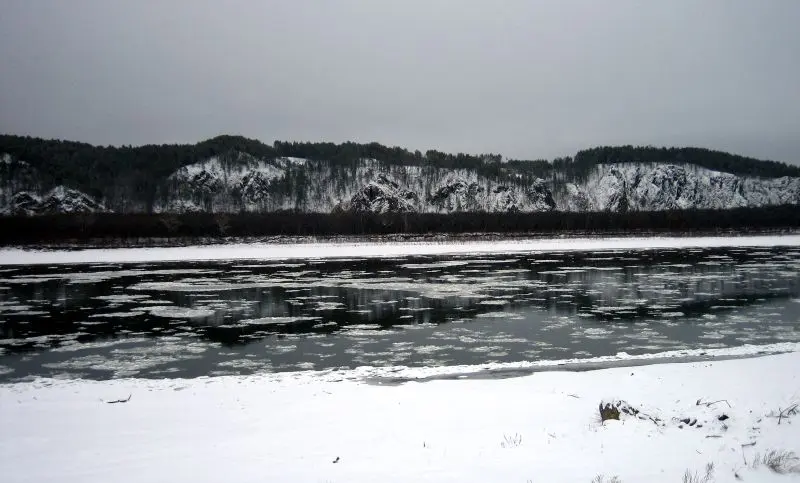
1. Songhua River Rime near Jilin City
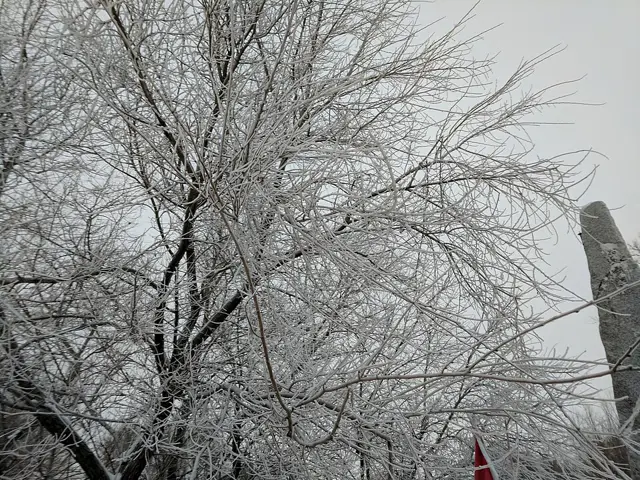
On suitable winter mornings, white rime coats the branches along the Songhua River near Jilin City. The fine ice crystals give the trees a pale, delicate outline against darker water and a winter sky, creating a different texture from ordinary snow-covered woodland.
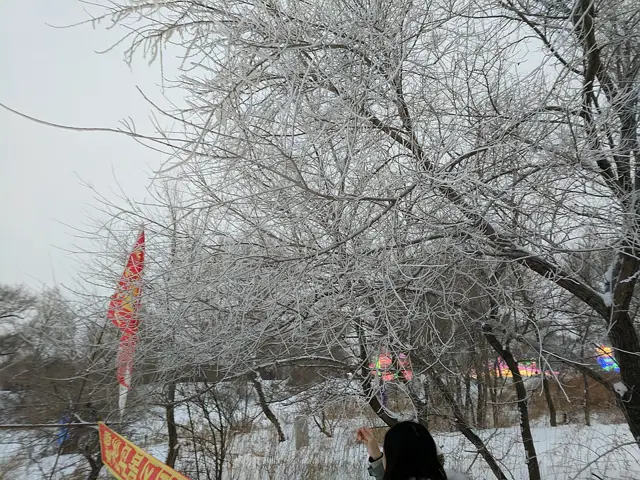

The Hantun and Wusong Island area is one recognised part of this riverside landscape. Rime depends on local moisture, temperature and wind; even in the usual season, neighbouring stretches of river can look different on the same morning.
Getting There. Use Jilin City as the rail and accommodation base, then arrange a road transfer towards Wulajie and the selected riverbank. Confirm the exact viewing side and return pickup before an early start.
Parking. Ask the guesthouse or current visitor operator which parking and walking approach is available. A public riverbank, village entrance and island crossing are separate access questions; do not assume a winter crossing is open.
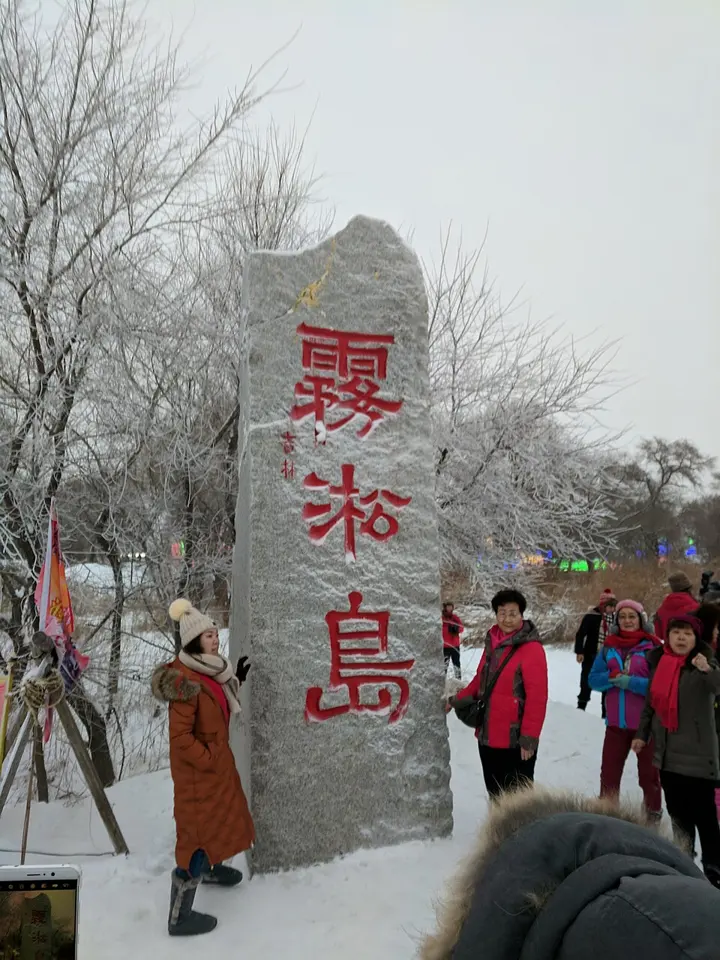

Season. Late December to February is a useful starting window for rime. The daily forecast and local observations are more useful than a guaranteed date. Rime may thin as conditions change during the morning, so allow flexibility rather than planning around a single fixed hour.
Food and Dining. Arrange an early breakfast and a warm meal in Jilin City or a confirmed village guesthouse. Wula Manchu hotpot is a regional dining option described by the provincial tourism authority; check restaurant hours and preferences.

2. Hemu Valley in Winter, Xinjiang
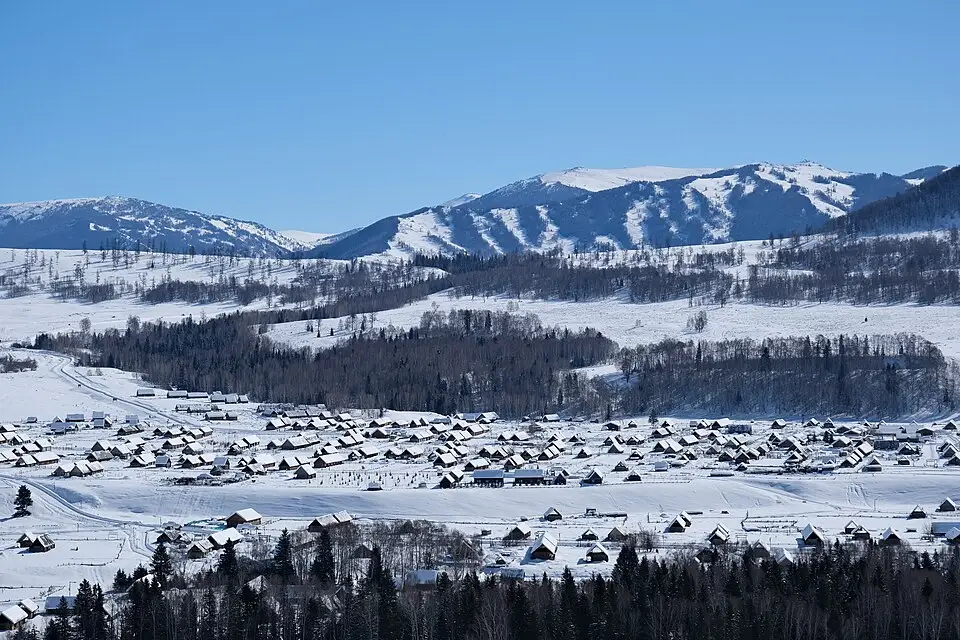
Snow changes Hemu into a quieter palette of white slopes, dark timber houses and wooded mountain edges. Roofs become rounded shapes beneath the snow, while paths and the spaces between buildings reveal the scale of the valley.
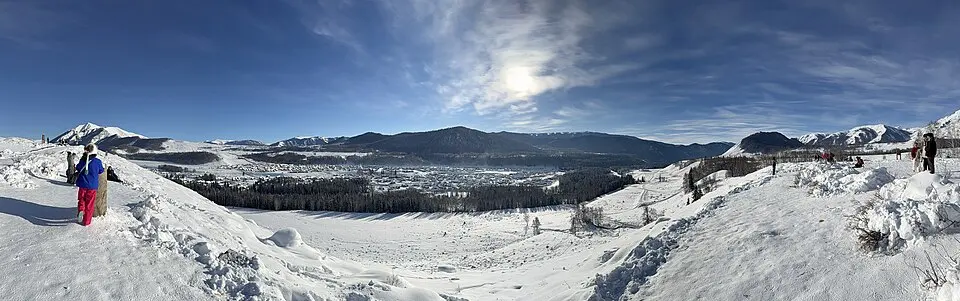

A raised view shows the settlement within its mountain setting; nearer the houses, timber walls and snowbanks become the main features. This section concentrates on winter, complementing the wider seasonal introduction in the historic-villages guide.
Getting There. Plan the winter approach through the Altay and Burqin region with a driver familiar with the current route. Check seasonal flights and road notices before choosing the arrival point; an available summer connection should not be assumed to run in winter.
Parking. Confirm the current village-entry reservation and parking arrangements. Visitor-centre parking and a village shuttle have been used when private entry is unavailable; a hotel booking alone should not be treated as permission to drive to its door.
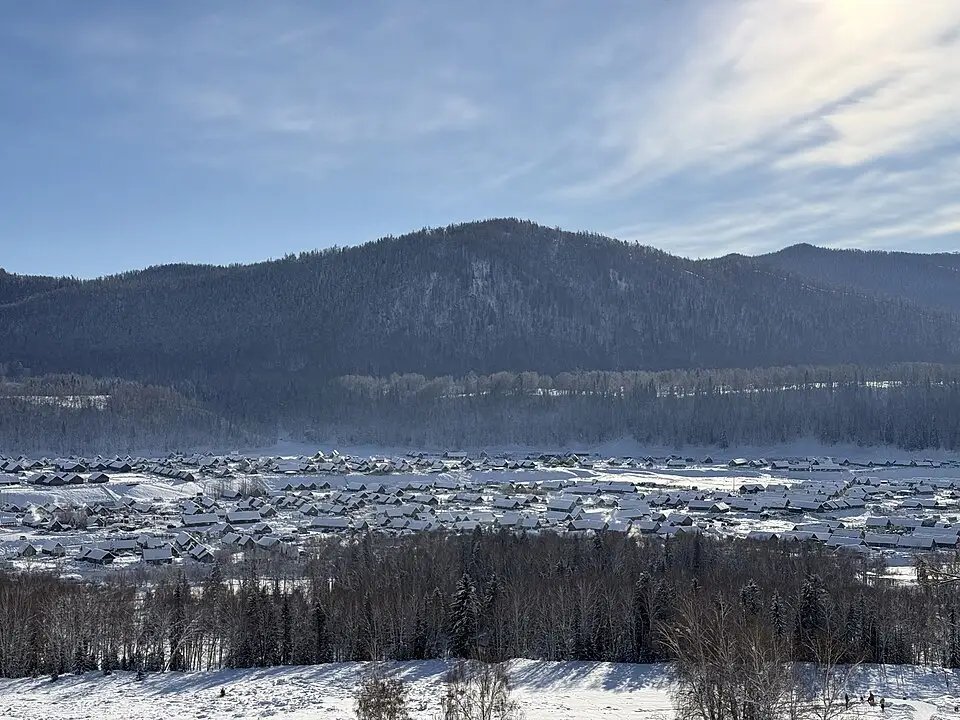

Season. December to February is a starting window for a deep-winter reference. Snow depth and cleared walking routes vary with conditions. Short daylight and changing mountain weather affect how much of the valley can comfortably be seen in one day.
Food and Dining. Book meals with the guesthouse or a confirmed village restaurant. Establish breakfast and dinner times before arrival, especially when heading out before sunrise or returning in darkness.

Location References
3. Beiji Village and the Mohe Winter Landscape, Heilongjiang
The winter landscape around Mohe combines snow-covered settlements, forest edges and the broad border-river setting near Beiji Village. Low winter light brings out the dark lines of trees and roofs against the snow, while the open spaces feel quite different from the close woodland views.
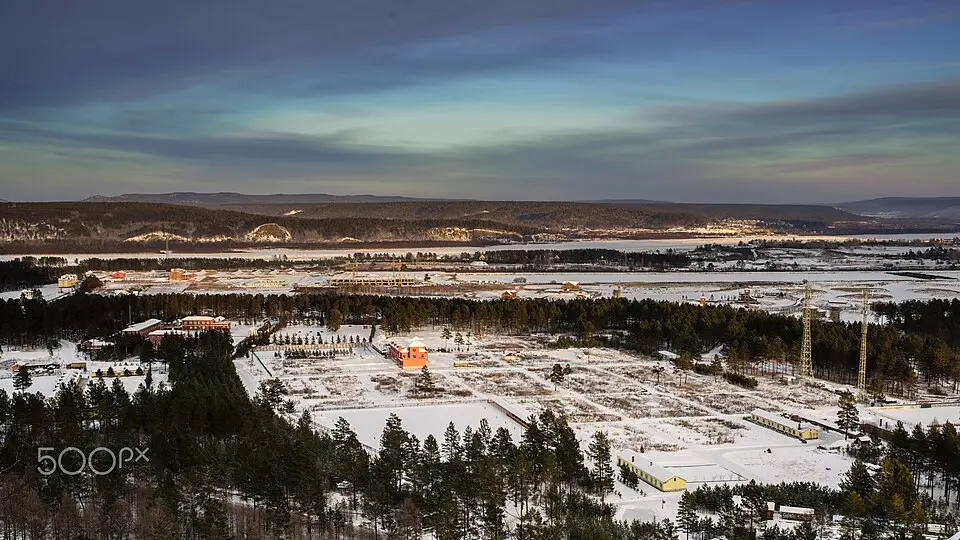

Beiji Village is a specific destination outside Mohe town. The village streets, nearby woodland and river views are separate settings; the photographs should be used to compare their character rather than as a promise of unrestricted access across the area.
Getting There. Check flights to Mohe or current rail services, then arrange the road connection to Beiji Village. Confirm the complete transfer and overnight base in advance, with room for winter-road delays.
Parking. Use designated visitor parking and follow the current internal transport arrangements. Confirm the final walking distance with the accommodation. The border river is not a shortcut or a general walking area, even when it appears frozen.
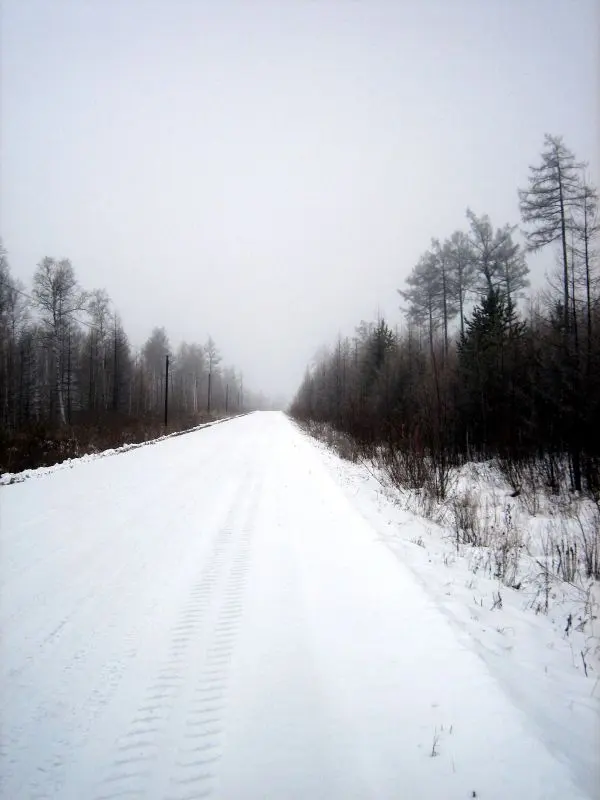

Season. December to February is a useful reference period for a snowy setting, subject to actual conditions. Snowfall, sky colour and daylight vary. Northern lights are not a promised feature of this location guide.
Food and Dining. Arrange warm meals and breakfast with the booked accommodation or a confirmed village restaurant. Carry drinking water in suitable containers for the cold and check meal times around the short winter day.

More Location Guides
- Grassland Filming Locations in China
- Desert and Rock Filming Locations in China
- Coastal and Island Filming Locations in China
- Best Lake Filming Locations in China
- Best Mountain Locations in China for Filming and Photography
- River and Waterfall Filming Locations in China
- Rice Terraces and Rural Filming Locations in China
- Historic Towns and Villages for Filming in China
- Gardens and Heritage Architecture for Filming in China
- Wetland and Mudflat Filming Locations in China
- Forest and Bamboo Filming Locations in China
- Karst and Canyon Filming Locations in China
These credited photographs are location references, not examples of Shoot In China projects. Seasonal descriptions are general guides. Confirm current opening, access and transport arrangements for the intended travel dates.