



Karst and Canyon Filming Locations in China
Natural bridges, limestone pillars and steep river gorges reveal different kinds of rock landscape. These karst and canyon filming locations in China introduce four places through their shape, scale and surrounding vegetation. The guide distinguishes limestone scenery from the contrasting mountain-river setting of Tiger Leaping Gorge.
Explore the 16-location landscape overview for more scenery across China.
1. Wulong Natural Bridges, Chongqing
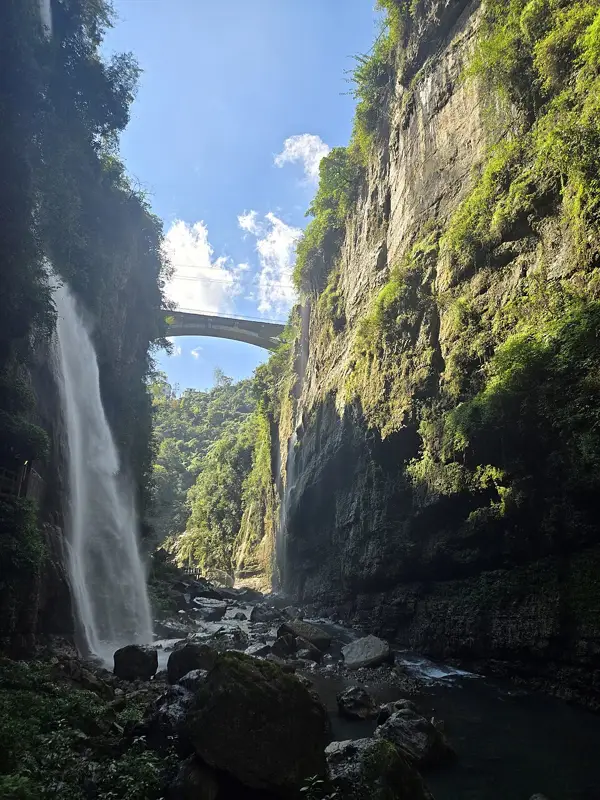
At Wulong, tall limestone walls and natural bridges enclose deep green spaces below the surrounding plateau. Openings through the rock frame the sky, while the path at the bottom makes the height and scale of the formations easier to appreciate.
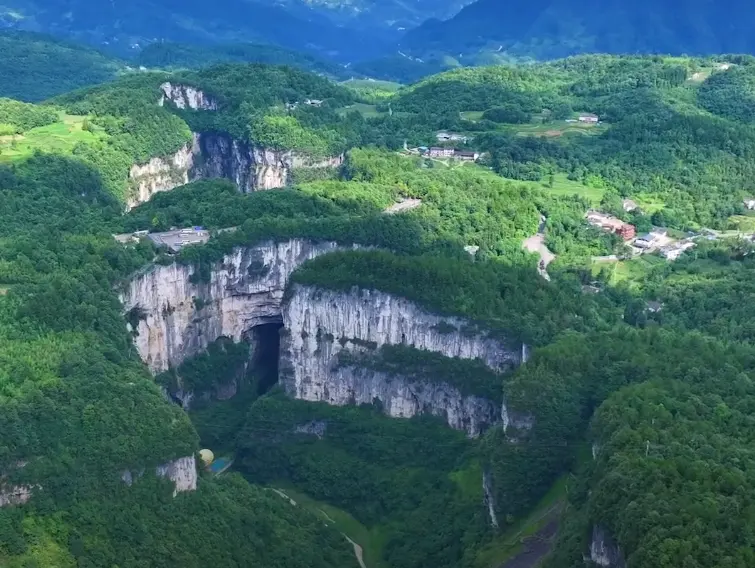

The Three Natural Bridges area is a specific part of the wider Wulong karst landscape. Its enclosed valleys and roof-like stone spans differ from a conventional mountain viewpoint; changing cloud and light can alter the contrast between rock walls and vegetation.
Getting There. Use Chongqing as the main regional gateway and check current rail connections to Wulong. Continue by road to the relevant visitor centre and use the managed approach to the Three Natural Bridges.
Parking. Use designated visitor parking and confirm the current shuttle and walking sequence. An official notice dated 8 October 2026 announced construction affecting the exit sightseeing-vehicle road, so the final walking section needs checking before travel.
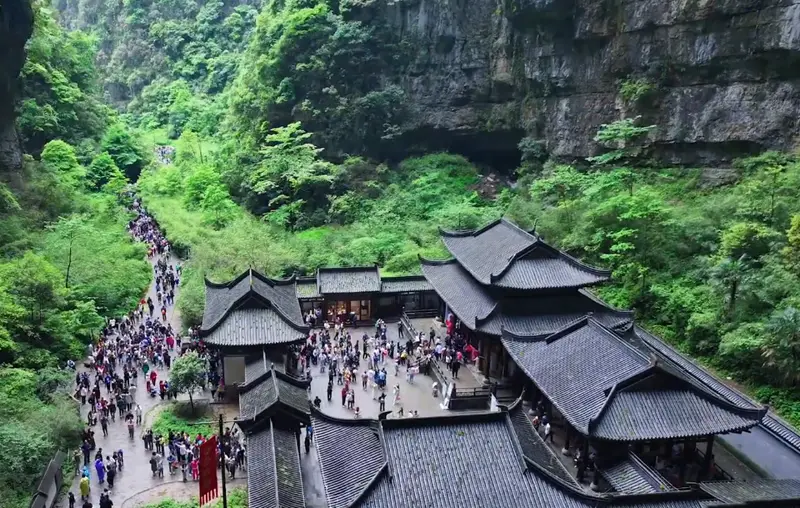

Season. Spring and autumn are useful starting points for moderate walking conditions and vegetation around the rock formations. Summer is greener but can be wet; cloud can soften contrast while also reducing distant visibility. Check the current route after heavy weather.
Food and Dining. Arrange meals in the developed visitor area or at the overnight base. Carry water and a small food option for the walking route rather than depending on a meal inside the enclosed valley.
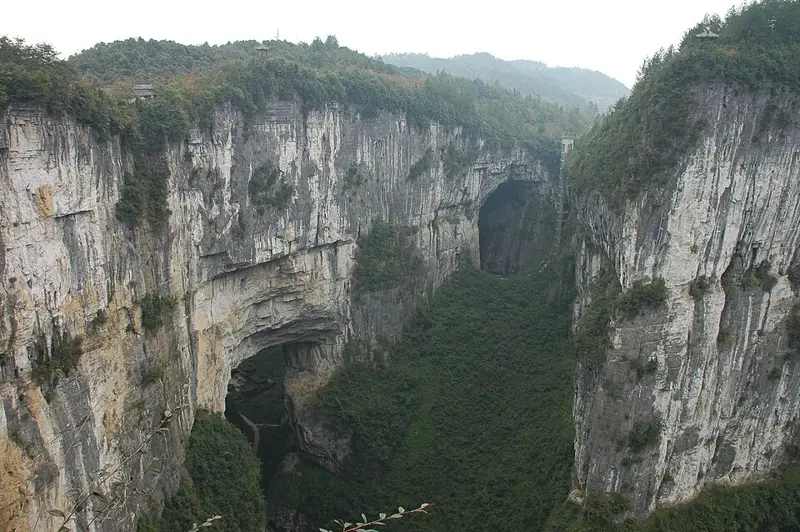

2. Enshi Grand Canyon, Hubei
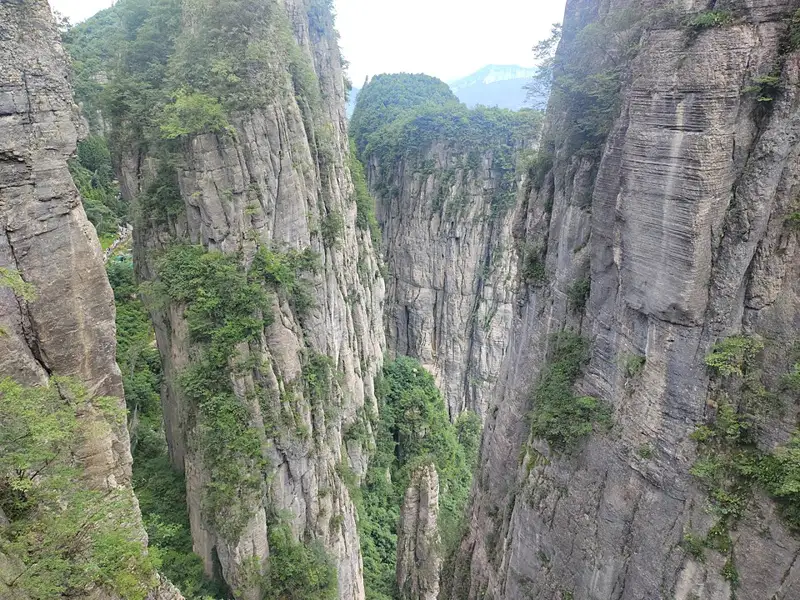
Enshi combines limestone cliffs, narrow rock pillars and deep green valleys. The upper routes reveal long wall-like rock faces, while the lower fissure landscape brings water, shaded rock and vegetation into a more enclosed view.
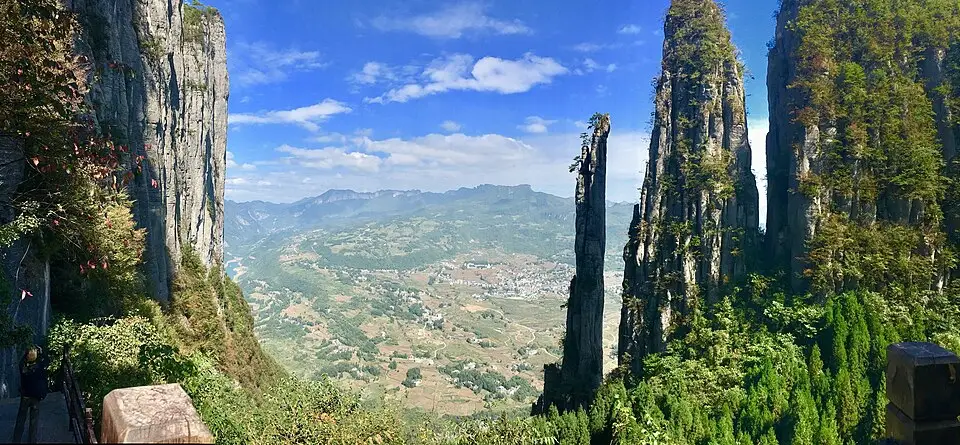

Qixingzhai and Yunlong Ground Fissure are different parts of the visit. A photograph of a high pillar does not describe the walking conditions at the bottom of the fissure; choose the desired setting before deciding how much of the route to include.
Getting There. Arrive in Enshi by rail or air, then continue by road to the Grand Canyon visitor centre. Check the current scenic transfer service or arrange a car for the final journey, with the return pickup agreed in advance.
Parking. The operator describes visitor-centre parking and managed onward transport. Leave the vehicle there and confirm the walking, cableway or other transfer sequence for the selected route. There are substantial changes of level.

Season. Spring and autumn are useful starting seasons for walking and changing vegetation. Summer brings more green and possible rain; cloud can obscure the upper cliffs. Wet paths and local weather may change which routes are available.
Food and Dining. Enshi city is a practical dining base. The developed visitor area can provide nearer options, but confirm current food service and carry water for the walk rather than relying on a particular stop.

3. Tiger Leaping Gorge, Yunnan
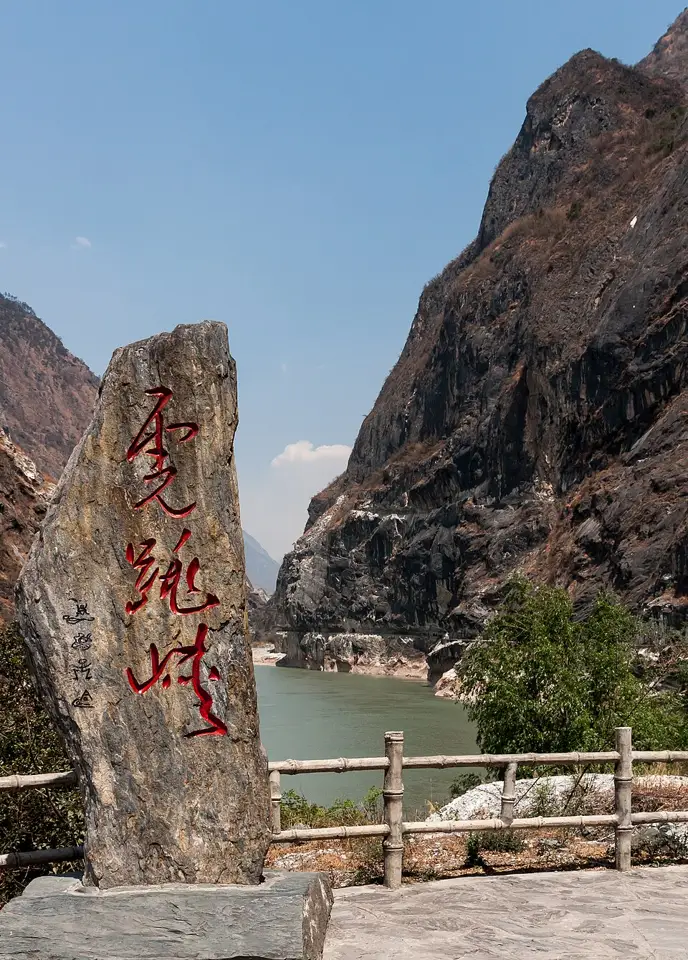
The Jinsha River passes between steep mountain walls at Tiger Leaping Gorge. The scene is defined by the depth of the valley, the dark river channel and the changing texture of the water below, with very different impressions from high and low viewpoints.
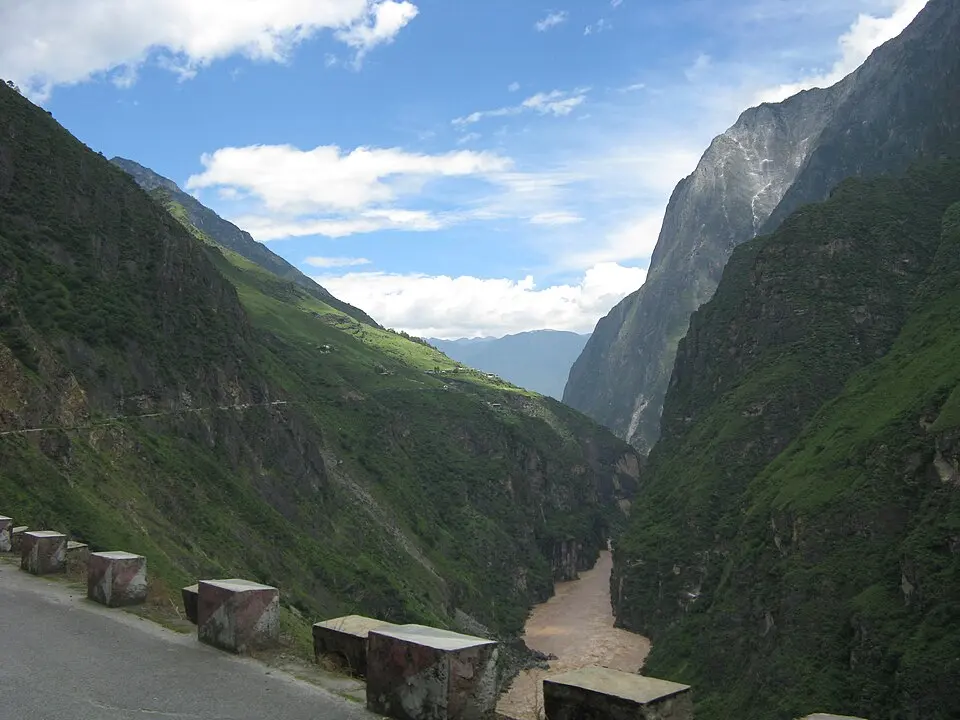

This is a mountain river gorge, not a limestone stone-forest location. It belongs in this guide as a contrasting canyon landscape. The managed Upper Gorge viewing area and the high walking trail are separate visits and should not be treated as one short route.
Getting There. Approach from Lijiang or Shangri-La and continue by road to the chosen Upper Gorge entrance or walking-trail start. Confirm the bank and operator before arranging the transfer; different access points do not offer the same view.
Parking. Check the current visitor parking and shuttle arrangement. October 2026 reports of the Shangri-La operator notice describe a seasonal change allowing self-drive entry, so do not rely on an older assumption that a shuttle always operates.
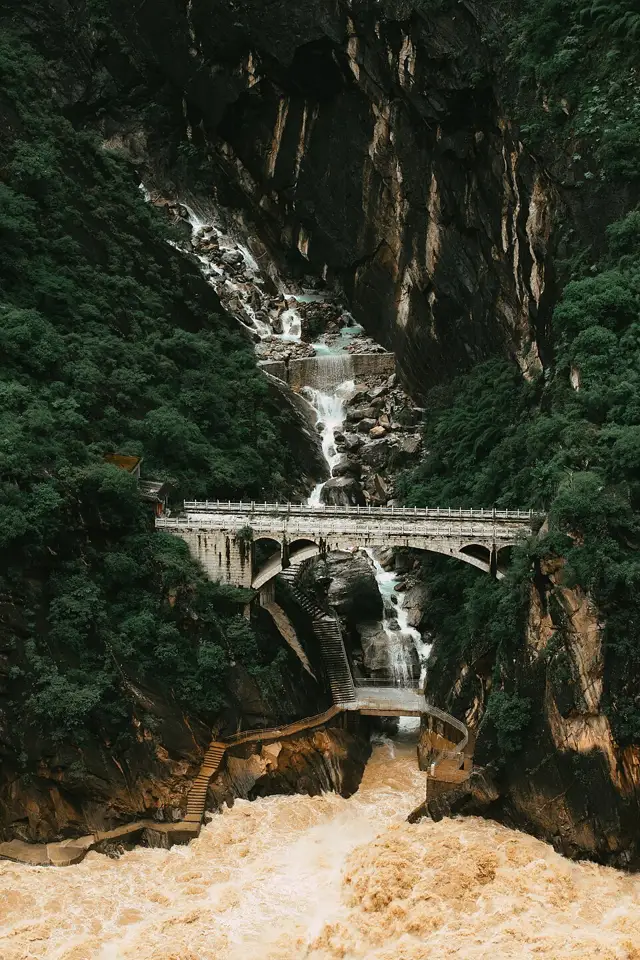

Season. Spring and autumn are useful starting periods for clearer mountain views and walking conditions. Summer river flow can be more forceful and rain can affect access. Water colour, spray and visibility vary; select the season for the view rather than assuming one fixed river appearance.
Food and Dining. Hutiaoxia town and the selected overnight base are practical meal stops. If choosing a longer walking route, confirm meals with the actual guesthouse on that route rather than assuming the lower visitor area is nearby.

4. Shilin Stone Forest, Yunnan
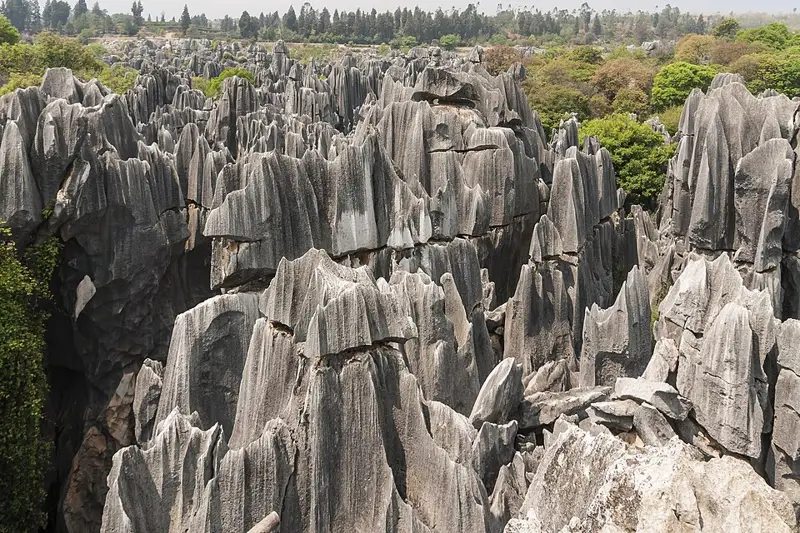
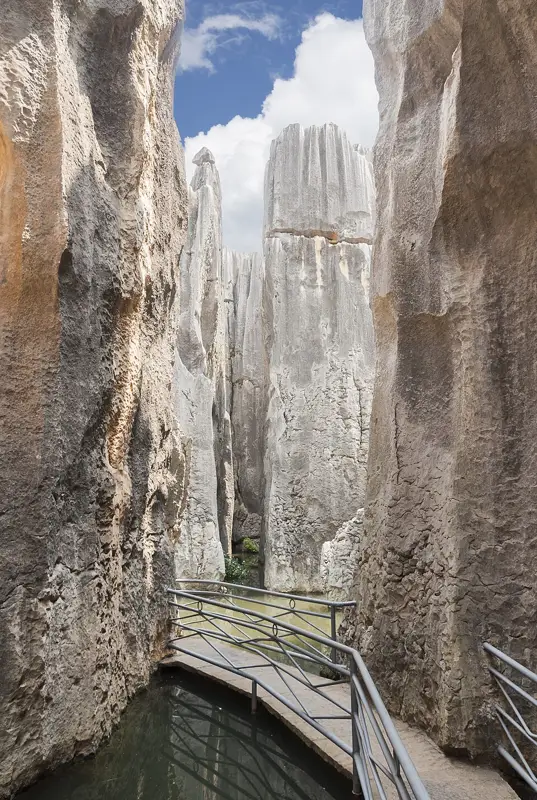
Shilin is a close landscape of limestone blades, pinnacles and narrow passages rather than a broad river valley. Pale grey rock rises above planted and grassy areas, creating repeated edges, deep shadows and small openings towards the sky.
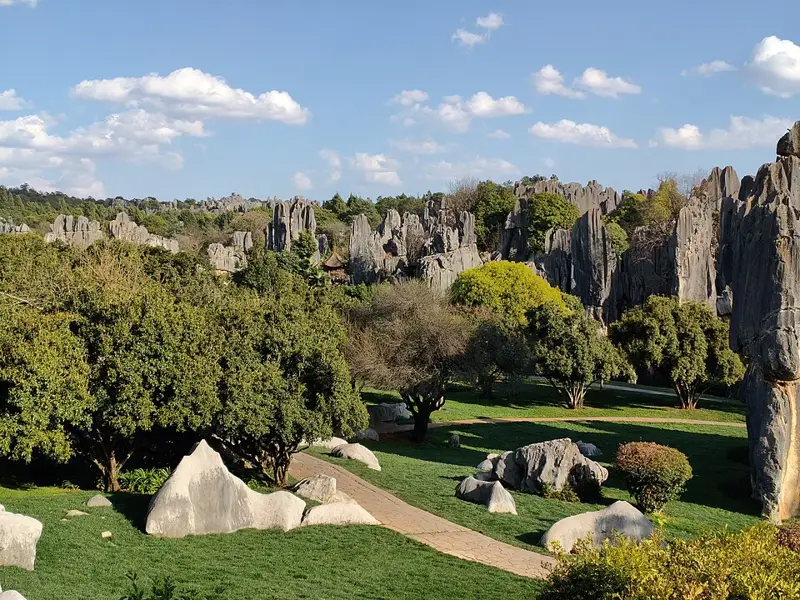

The Major and Minor Stone Forest areas offer different groupings and path widths. A wide photograph shows the density of the rock formations; from within the paths, the scene becomes a sequence of walls, gaps and changing angles.
Getting There. Use Kunming as the main arrival base and arrange a road journey to the Stone Forest visitor centre. If considering rail, check the exact Shilin station and the final road transfer; the county, stations and scenic entrance are separate destinations.
Parking. Use the designated visitor car park and follow the current walking or sightseeing-vehicle route. The rock passages are pedestrian spaces. Confirm the distance from the drop-off to the intended part of the stone forest.

Season. Spring and autumn are useful starting points for comfortable walks and a balance of rock, greenery and sky. Summer adds fuller vegetation and possible rain; wet limestone paths can be slippery. The rock forms remain the main feature throughout the year.
Food and Dining. Arrange meals near the developed visitor area or in Shilin county town. Carry water for the walk and check restaurant hours if the visit begins early or extends towards the end of the day.

More Location Guides
- Grassland Filming Locations in China
- Desert and Rock Filming Locations in China
- Coastal and Island Filming Locations in China
- Best Lake Filming Locations in China
- Best Mountain Locations in China for Filming and Photography
- River and Waterfall Filming Locations in China
- Rice Terraces and Rural Filming Locations in China
- Historic Towns and Villages for Filming in China
- Gardens and Heritage Architecture for Filming in China
- Wetland and Mudflat Filming Locations in China
- Forest and Bamboo Filming Locations in China
- Snow and Winter Filming Locations in China
These credited photographs are location references, not examples of Shoot In China projects. Seasonal descriptions are general guides. Confirm current opening, access and transport arrangements for the intended travel dates.