



Gardens and Heritage Architecture for Filming in China
Gardens and heritage architecture in China offer a closer view of how buildings shape a setting. Ponds, rooflines, enclosed courtyards and covered bridges create different relationships between built space and the surrounding landscape. These five references focus on the places themselves, with photographs and practical visitor information.
Explore the 16-location landscape overview for more scenery across China.
1. The Lingering Garden, Suzhou
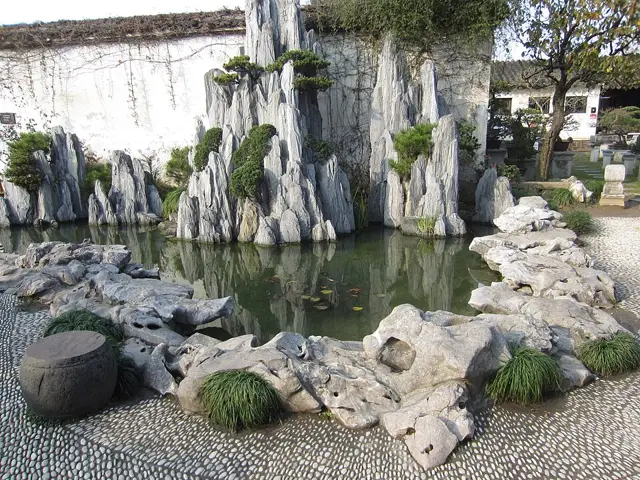
Ponds, limestone rocks, covered corridors and carefully framed openings create a sequence of small landscapes in the Lingering Garden. A change of position can bring a wall, pavilion or reflection into the same view without travelling far.
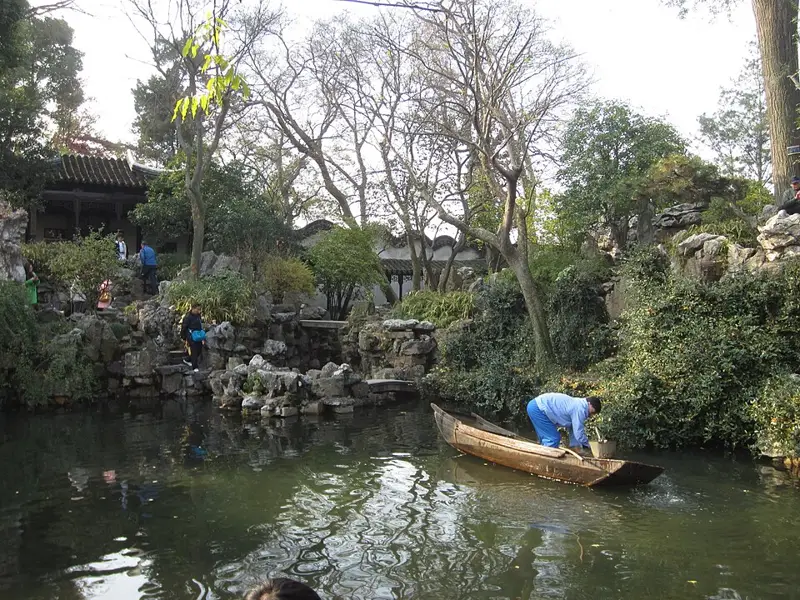

The garden is not one open panorama. Its character is in the transitions between enclosed courtyards and more open water, with white walls and dark timber defining the planting and rock shapes.
Getting There. Arrive in Suzhou by rail and continue by city transport to the garden on Liuyuan Road. Suzhou government visitor information describes access via the Shilu area; check the current route for the travel date.
Parking. Plan for an urban drop-off or a nearby legal public car park, then enter on foot. A parking space immediately beside the gate has not been confirmed. Vehicles do not circulate through the garden.
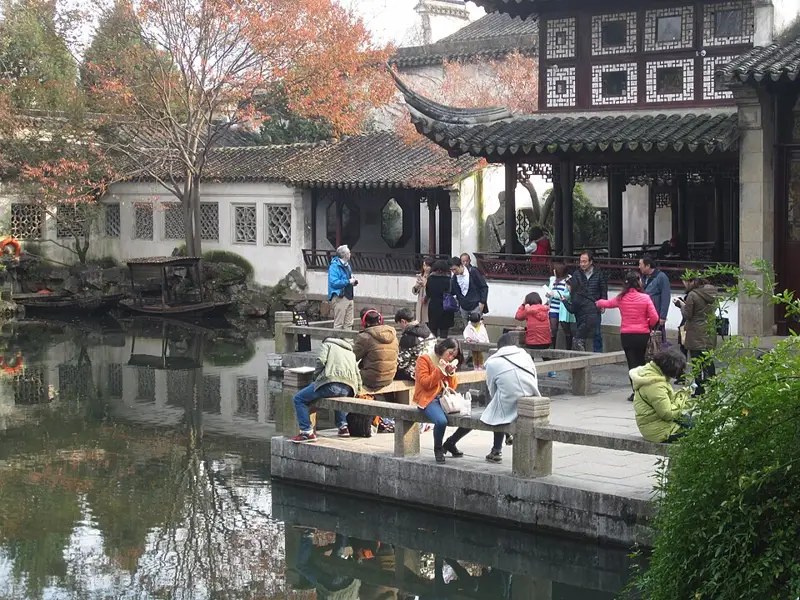

Season. Spring offers fresh foliage and flowers; autumn brings a different balance of leaf colour, stone and water. Winter exposes more of the architectural lines. Planting displays and visitor levels vary, so choose the season for the look rather than a single promised date.
Food and Dining. The surrounding city provides meal options. Eat outside the garden and check the route back to the entrance if returning later in the day.

Location References
2. Yongding Tulou, Fujian
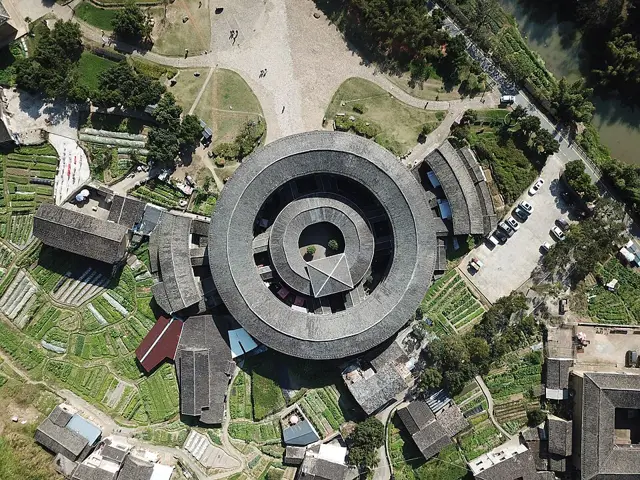
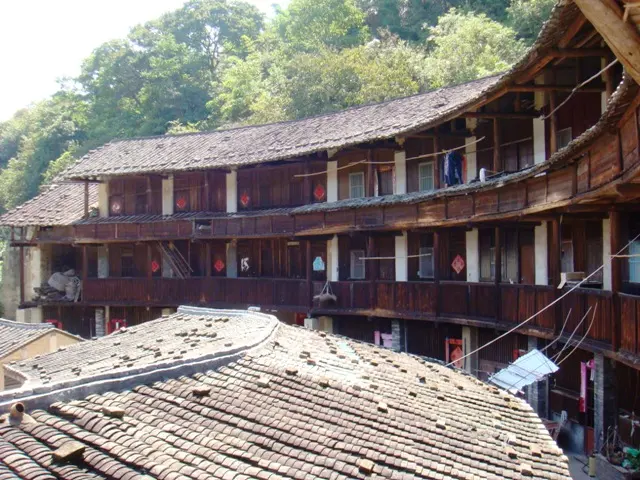
Thick earth walls and tiled roofs give Yongding tulou a strong outline in the surrounding hills and villages. Circular and rectangular buildings enclose shared courtyards, with timber galleries visible inside some of the compounds.
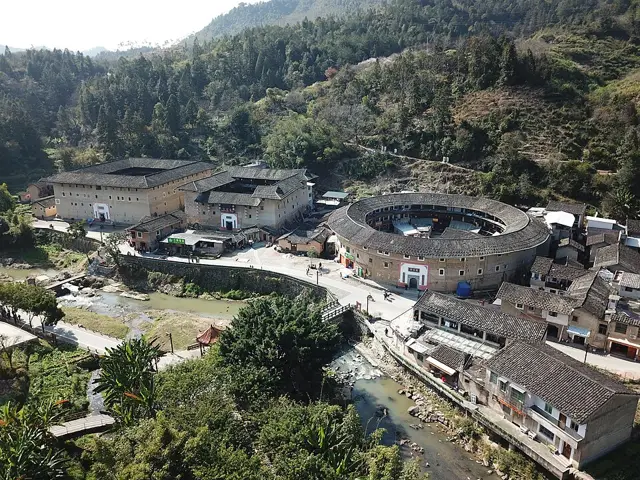

Hongkeng and Gaobei are different building clusters. The exterior setting, entrance and interior can vary greatly between individual tulou; choose the named building rather than assuming every photograph represents the same accessible space.
Getting There. Use Longyan or another confirmed regional arrival point, then arrange road transport to the selected cluster around Hukeng or Gaotou. Send the exact tulou name and entrance to the driver.
Parking. Use the visitor parking serving the selected cluster and follow the pedestrian route. Interior courtyards and upper floors are separate access questions; some buildings remain residential. Confirm the route locally.

Season. Spring and autumn are useful starting points for comfortable walking and the contrast between walls and surrounding greenery. Summer can be humid and rainy. Winter often shows the architecture with a more subdued landscape palette.
Food and Dining. Hukeng and the visitor villages provide places to arrange meals. Local Hakka food is part of the regional dining choice; check the restaurant and opening hours rather than expecting service inside every building.

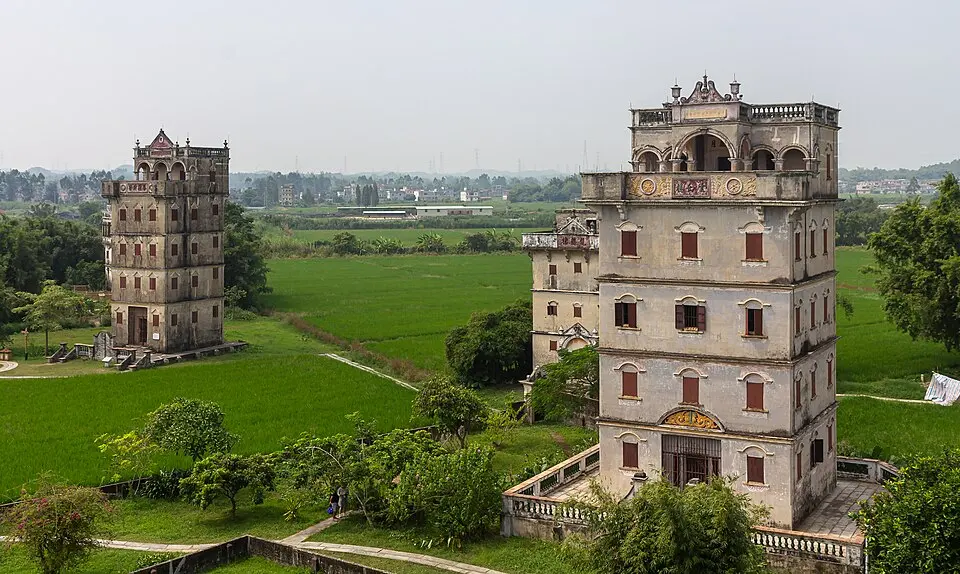
3. Kaiping Diaolou, Guangdong
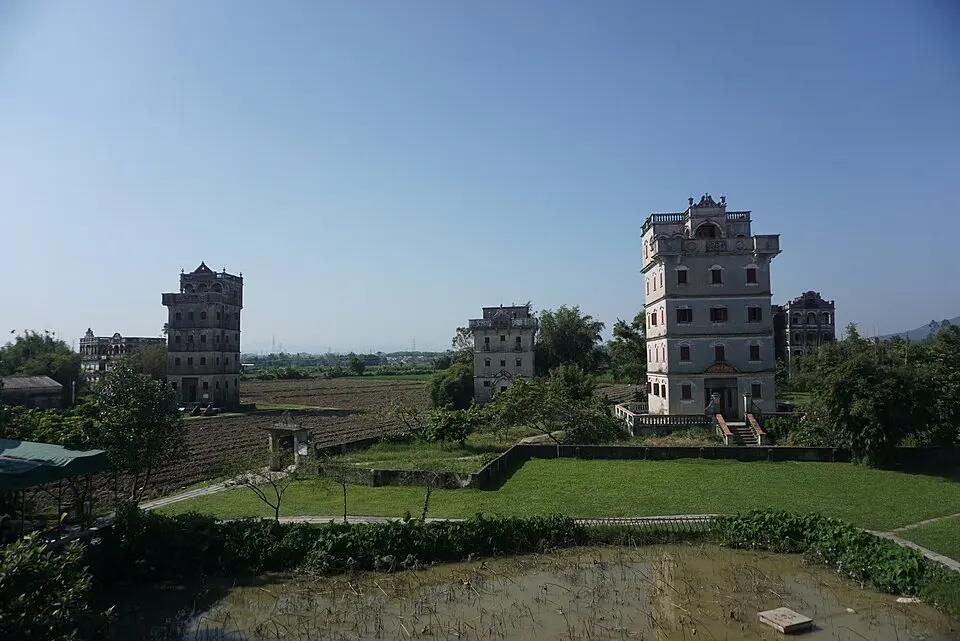
Kaiping diaolou rise above villages and fields as tall, compact towers. Their facades combine local building forms with overseas architectural influences, creating a distinctive contrast with the lower houses and open countryside.
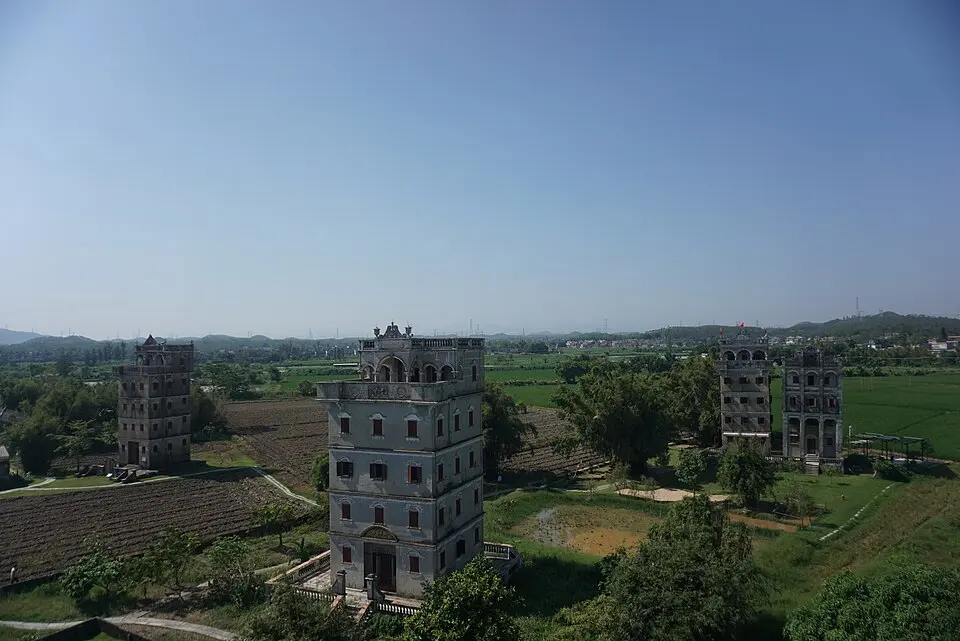

Zili Village is one recognisable setting, with towers appearing between trees and cultivated plots. Wider views show their position in the landscape; closer views reveal balconies, windows and decorative rooflines.
Getting There. Check rail connections to Kaiping South, then arrange a road transfer to the selected cluster. Zili, Majianglong and Li Garden are different destinations, so confirm the exact stop and return pickup.
Parking. Use the managed visitor parking for the selected site and continue along the signed routes. Allow separate transfers when visiting more than one cluster; they are not a single continuous pedestrian attraction.

Season. Autumn and winter are useful starting points for milder, often less humid conditions. Spring and summer give greener surroundings but can bring rain. Field colour changes with local cultivation, so recent reference photographs are useful.
Food and Dining. Kaiping town and the surrounding visitor areas offer dining options. Confirm a meal stop on the actual route, particularly when moving between dispersed villages.

4. Taishun Covered Bridges, Zhejiang
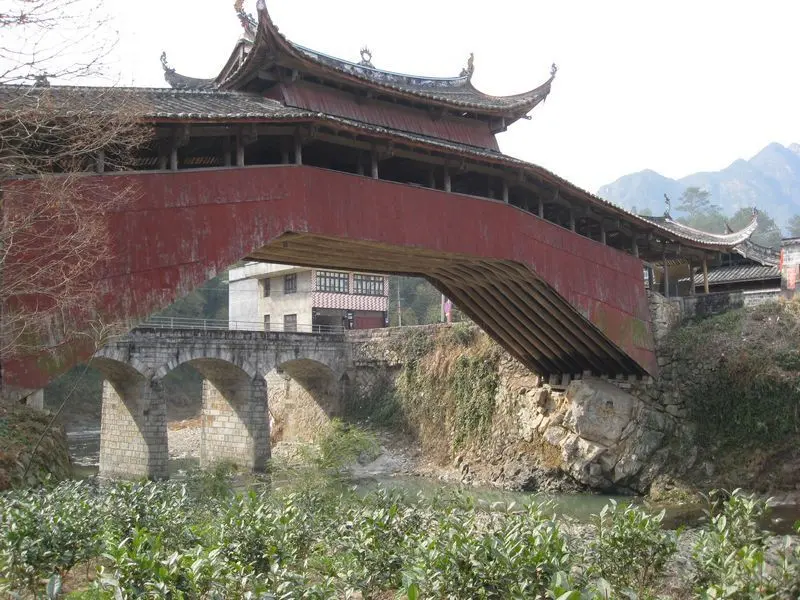
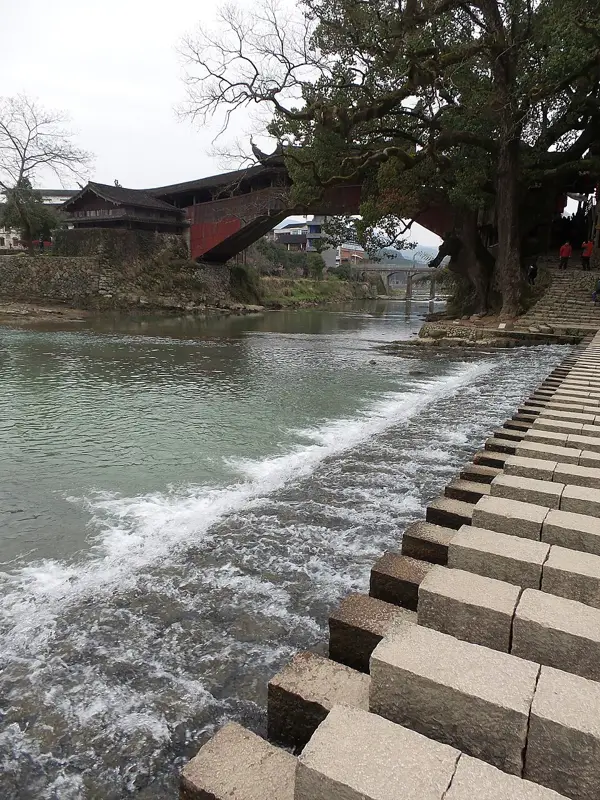
Taishun covered bridges combine timber roofs and structural spans with streams, village houses and wooded hills. From outside, the roof silhouette is part of the valley landscape; inside, columns and beams create a sheltered passage.
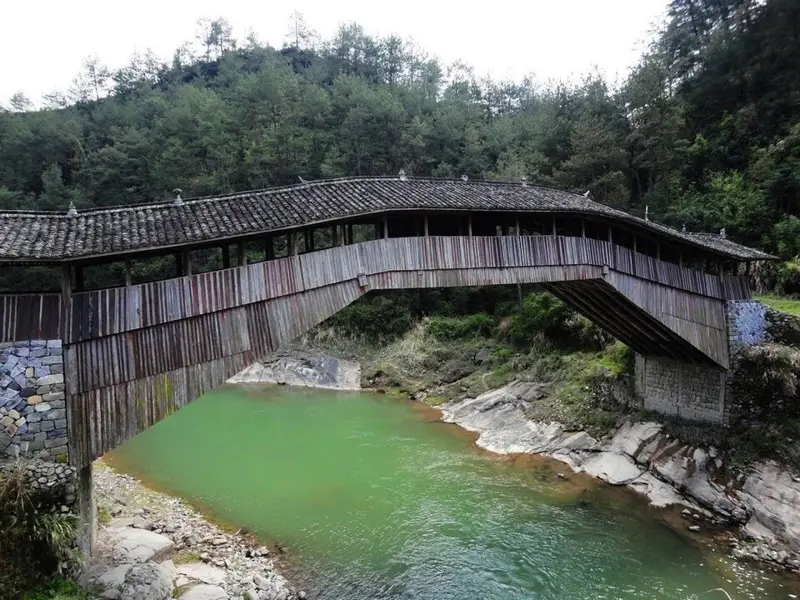

The bridges are spread across the county. Sixi is a useful place to begin comparing the settings of Beijian and Xidong bridges, while other bridges require separate journeys and have their own surroundings.
Getting There. Approach through Wenzhou and continue by road to the selected Taishun bridge or village. Use an exact bridge name and map point. A general transfer to Taishun county may leave a further mountain-road journey.
Parking. Check the visitor parking and walking approach for each bridge. Parking on a historic bridge or its immediate approach is not an option. Leave time for steps, streamside paths and the return walk.

Season. Spring and autumn are useful reference seasons for green surroundings and comfortable walks. Rain changes stream levels and makes stone paths slippery. The bridges can be seen year-round, subject to local access and maintenance notices.
Food and Dining. Sixi and the county towns are practical places to look for meals. Confirm service hours when visiting a more isolated bridge and carry water for the walking sections.

5. Wang Family Courtyard, Shanxi
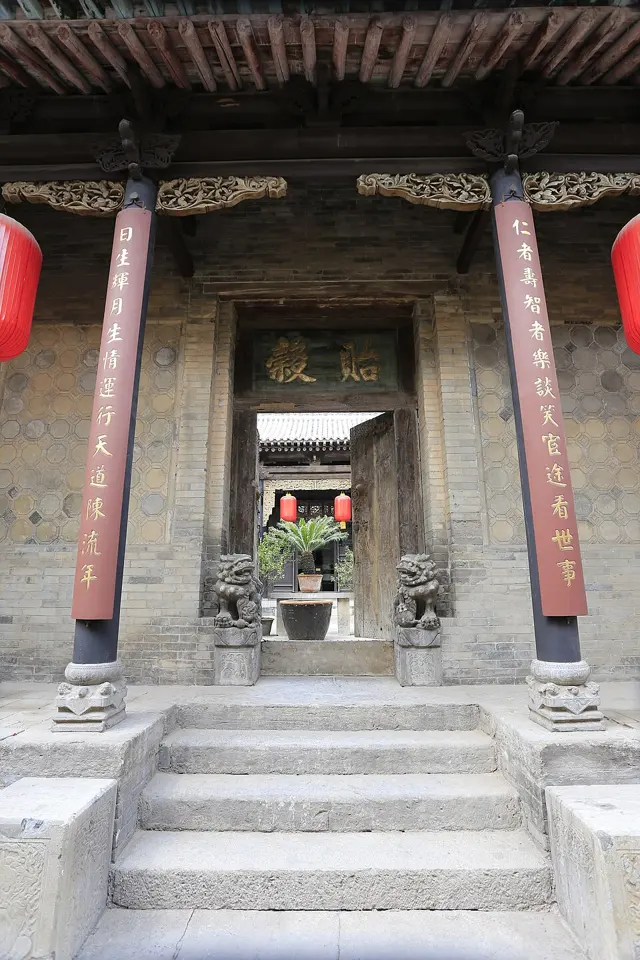
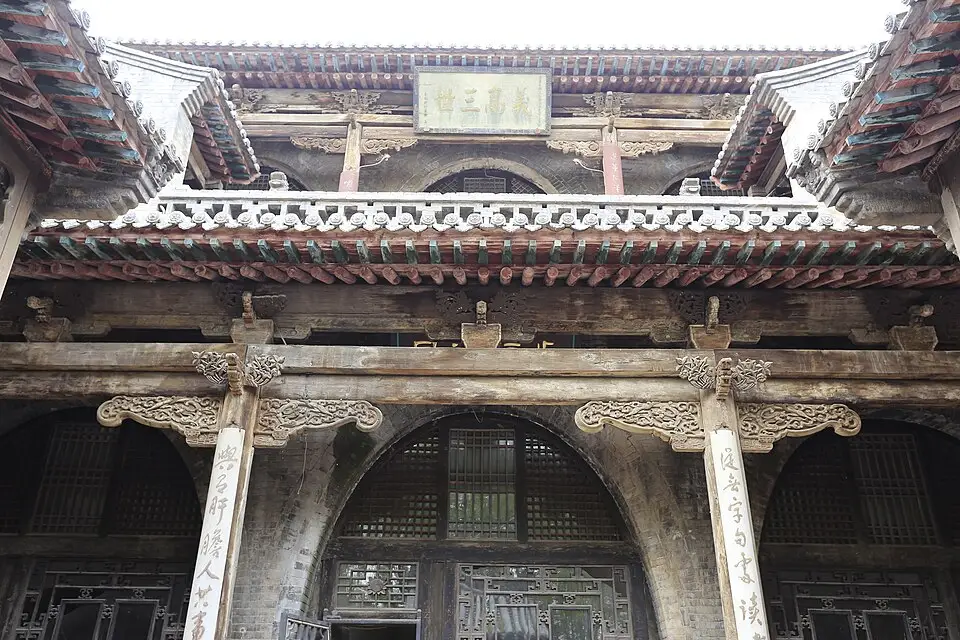
The Wang Family Courtyard in Jingsheng is a large arrangement of walled compounds, gateways and tiled roofs. The terrain gives the buildings a stepped profile, while repeated doorways create deeper views through the courtyards.
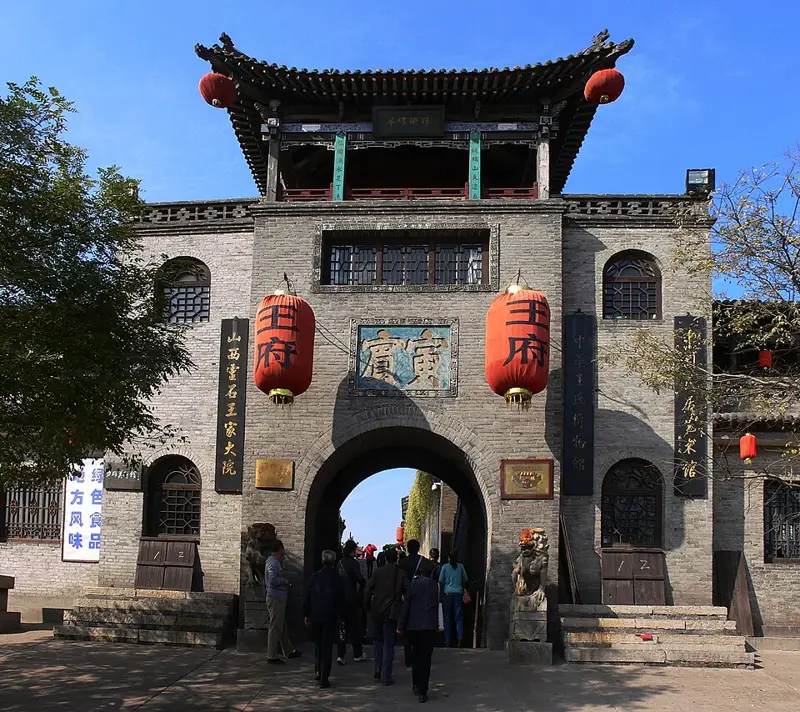

The visual interest moves between overall scale and small details: carved stone, brick patterns, roof edges and the contrast between sunlit courts and shaded passages. It is a different spatial experience from an open garden.
Getting There. Use Lingshi East as a rail option and arrange the final road transfer to Jingsheng and the Wang Family Courtyard. Confirm the chosen station and entrance before booking the pickup.
Parking. Plan to leave the vehicle in the visitor area and continue on foot. Confirm current parking arrangements locally. Steps and changes of level inside the complex affect walking time.

Season. Spring and autumn are useful starting points for milder conditions. Low winter light can emphasise the walls and rooflines, though it is cold. Summer light is stronger and shade varies between courtyards.
Food and Dining. Jingsheng and Lingshi are practical meal stops. Local noodle dishes are a regional option, but restaurant hours and menus should be checked on the day.

Location References
More Location Guides
- Grassland Filming Locations in China
- Desert and Rock Filming Locations in China
- Coastal and Island Filming Locations in China
- Best Lake Filming Locations in China
- Best Mountain Locations in China for Filming and Photography
- River and Waterfall Filming Locations in China
- Rice Terraces and Rural Filming Locations in China
- Historic Towns and Villages for Filming in China
- Wetland and Mudflat Filming Locations in China
- Forest and Bamboo Filming Locations in China
- Snow and Winter Filming Locations in China
- Karst and Canyon Filming Locations in China
- Traditional Village Filming Locations in China
- Ancient City Ruins in China: Filming Location Guide
These credited photographs are location references, not examples of Shoot In China projects. Seasonal descriptions are general guides. Confirm current opening, access and transport arrangements for the intended travel dates.